
Lingti Waterfall Spiti Valley: Route, Trek Info & Seasonal Access

Priya Mehta
November 28, 2025
Discover Lingti Waterfall in Spiti Valley - a hidden cascade fed by the Lingti River. Complete travel guide with trekking information, best time to visit, photography tips, and nearby attractions in Himachal Pradesh.
Introduction: Spiti's Hidden Cascade
Tucked away in the rugged terrain of Spiti Valley lies Lingti Waterfall, a breathtaking natural wonder that remains relatively unexplored by mainstream tourists. This majestic cascade, fed by the Lingti River - the longest tributary of the Spiti River, offers visitors a serene escape into nature's raw beauty. Unlike the crowded attractions of popular hill stations, Lingti Waterfall provides an authentic Himalayan experience where the only sounds you'll hear are the rushing water and the gentle mountain breeze. For adventure enthusiasts and nature lovers, this hidden gem represents everything that makes Spiti Valley special: dramatic landscapes, crystal-clear water, and a sense of tranquility that's increasingly rare in our fast-paced world. Whether you're planning a dedicated trip to see the waterfall or including it as part of your broader Spiti Valley adventure, Lingti Waterfall promises memories that will last a lifetime.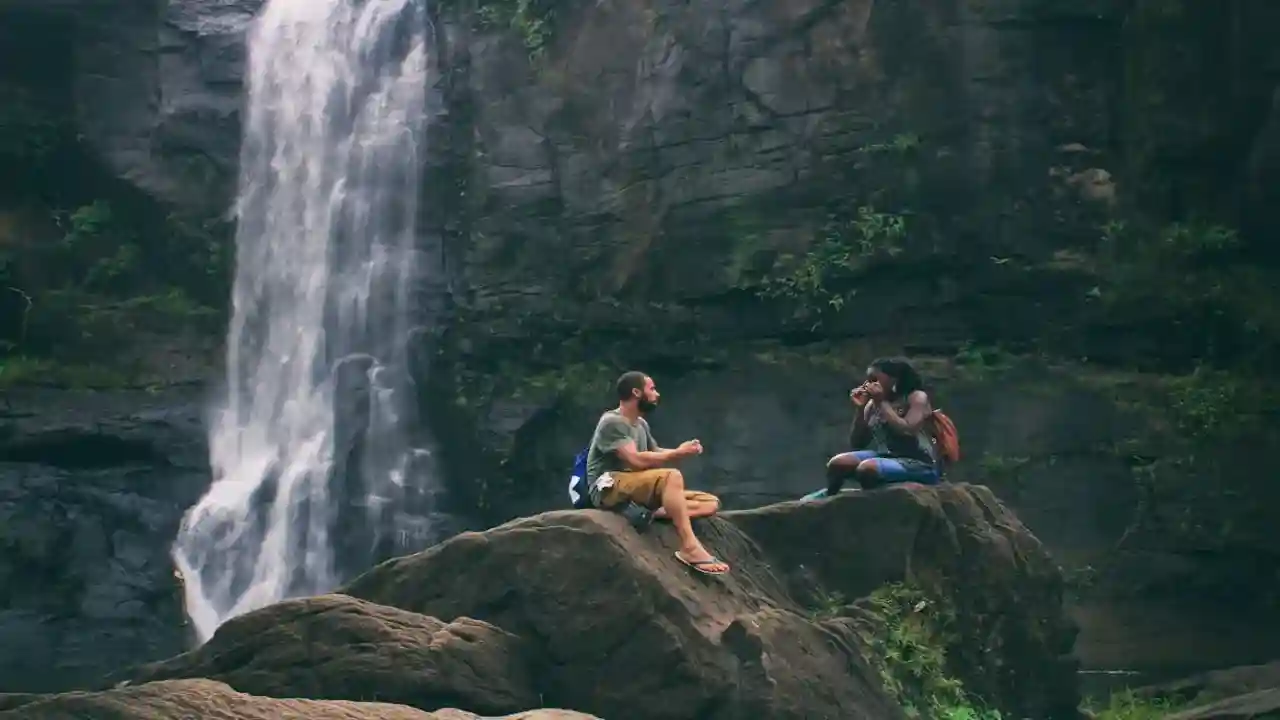
About Lingti Waterfall
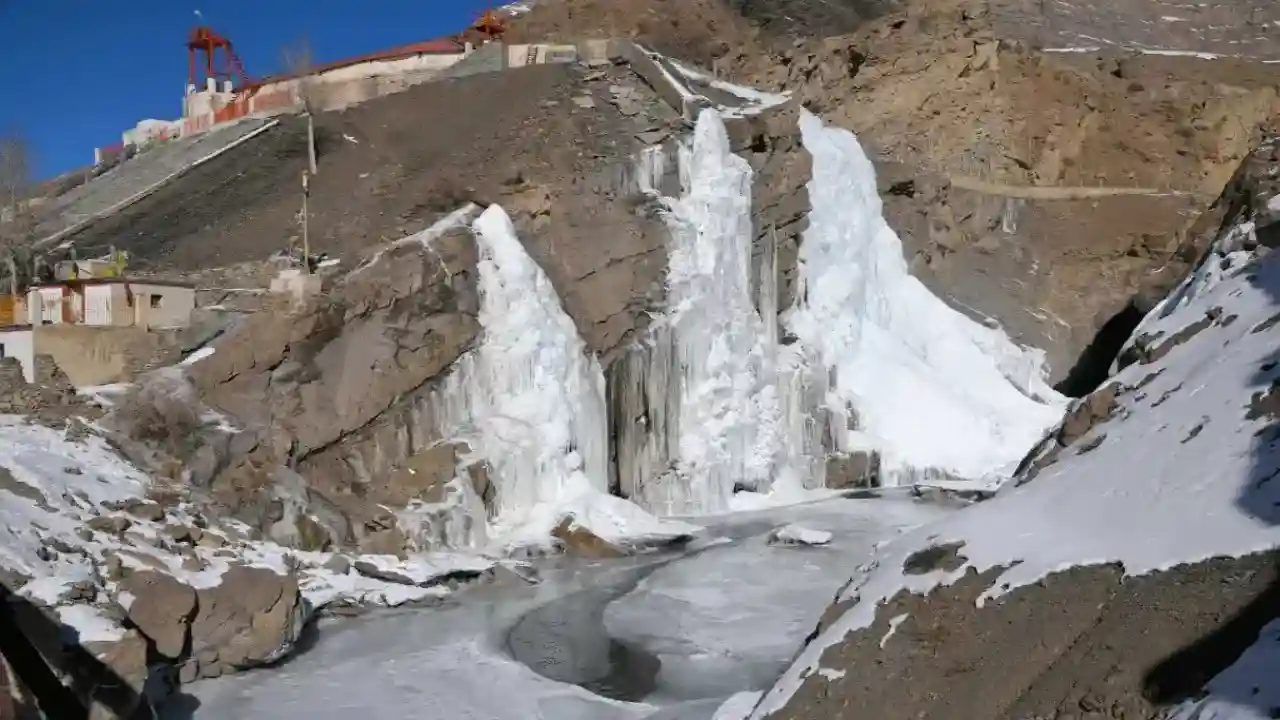
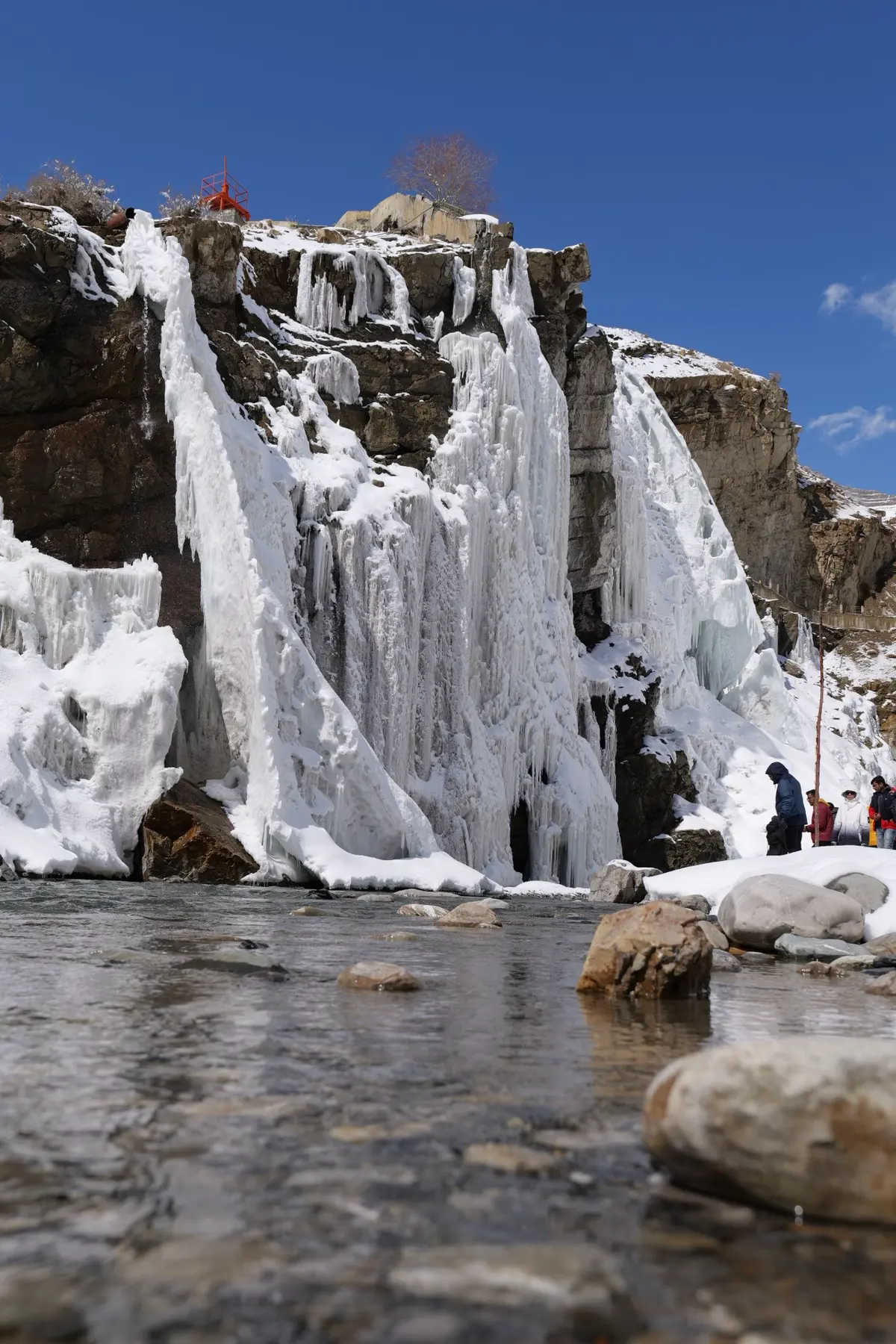
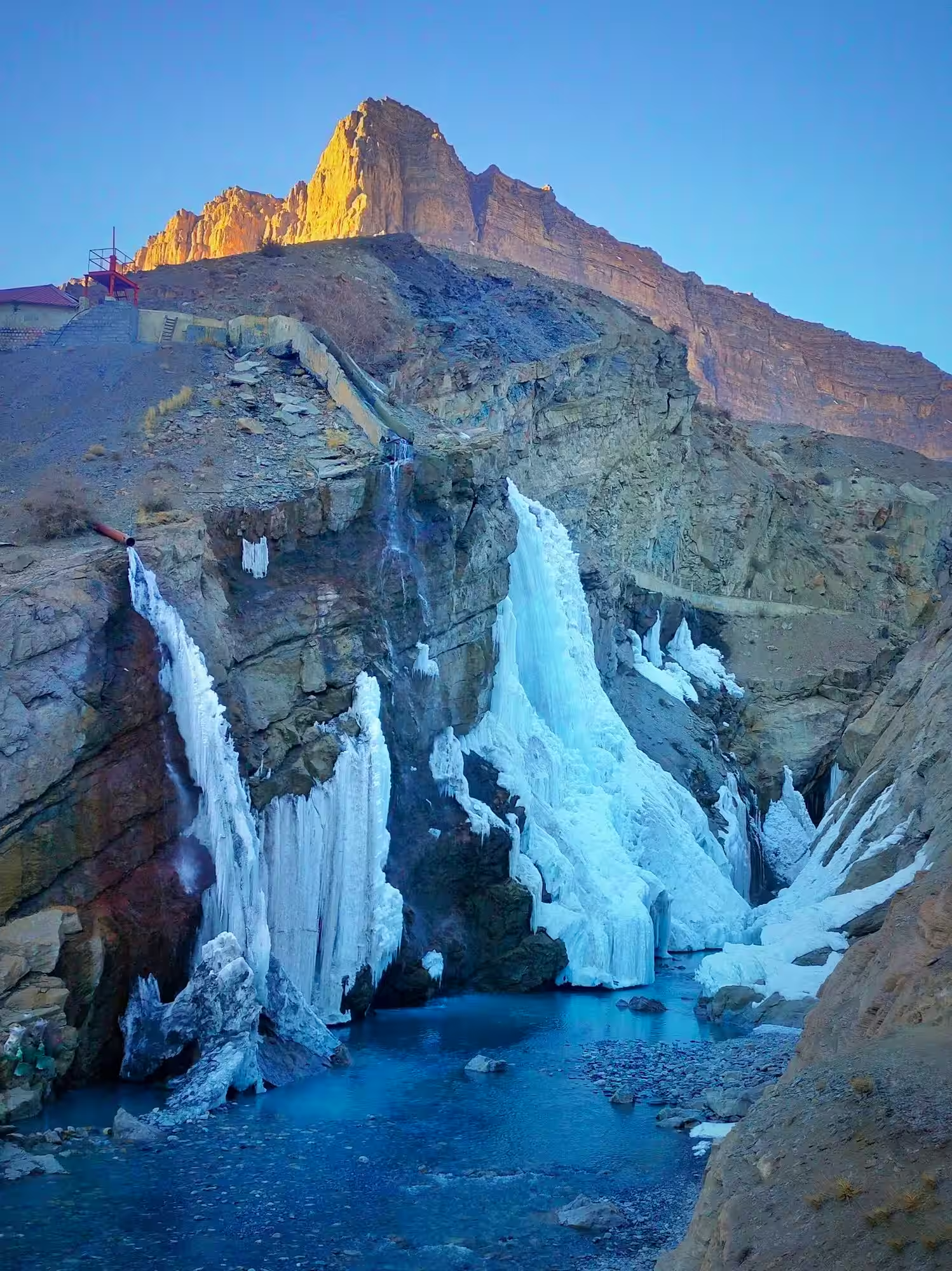
Lingti Waterfall stands as one of the most spectacular natural attractions in Spiti Valley, descending from impressive heights amidst towering cliffs and barren mountains. The waterfall originates from the glacial melts high up in the Himalayas, creating a continuous flow that varies in intensity throughout the seasons. During peak summer months, the cascade is at its most powerful, with water thundering down the rocky face and creating a misty aura that surrounds the area. What makes Lingti Waterfall particularly special is its dramatic setting. Unlike waterfalls in lush green valleys, this cascade flows through the stark, moon-like terrain characteristic of Spiti. The contrast between the crystal-white water and the brown, rocky mountains creates a visual spectacle that's uniquely Himalayan. The area around the waterfall offers multiple viewpoints, each providing a different perspective of this natural wonder. The waterfall is accessible throughout the year, though the experience varies significantly by season. In summer, it's a powerful, rushing cascade; in winter, parts of it freeze into stunning ice formations that attract adventure photographers from across the country. Surrounding the waterfall are ancient geological formations that tell stories of millions of years of Himalayan evolution, making this not just a visual treat but also a geological marvel.The Lingti River Connection
The Lingti River, which feeds the waterfall, holds immense geographical and historical significance. As the longest tributary of the Spiti River, it originates from the glaciers of Tibet and flows through the treacherous terrain before merging with the main Spiti River. The river valley it has carved over millennia is one of the most geologically interesting regions in the entire Himalayan range, featuring unique rock formations and ancient fossils that attract geologists and researchers from around the world. The Lingti Valley, through which the river flows, is known for its remote and challenging terrain. Traditional villages along the river have maintained their unique culture and way of life, largely untouched by modern influences. The river crossing near the waterfall is an adventure in itself, with a traditional bridge or carefully placed stones allowing safe passage. This crossing adds to the overall experience of visiting the waterfall, giving visitors a taste of the authentic Himalayan journey. Geologically, the Lingti River has played a crucial role in shaping the landscape of this region. Over millions of years, its powerful waters have carved deep gorges and canyons, creating the dramatic topography that defines Spiti Valley today. The river also supports a unique ecosystem in this otherwise arid region, providing water for the sparse vegetation and wildlife that call this harsh environment home.Best Time to Visit
Choosing the right time to visit Lingti Waterfall can significantly enhance your experience. Each season offers a unique perspective of this natural wonder:| Season | Best For | Flow Condition |
|---|---|---|
| June-September | Maximum flow, easy access | Full, powerful cascade |
| July-August | Photography, dramatic views | Peak flow with mist |
| October-November | Clear views, pleasant weather | Moderate flow |
| December-March | Frozen waterfalls, winter photography | Partially frozen |
| April-May | Melting ice, emerging flowers | Increasing flow |
How to Reach from Kaza
Reaching Lingti Waterfall requires a journey through some of the most spectacular terrain in the Himalayas. Here's your complete guide to getting there: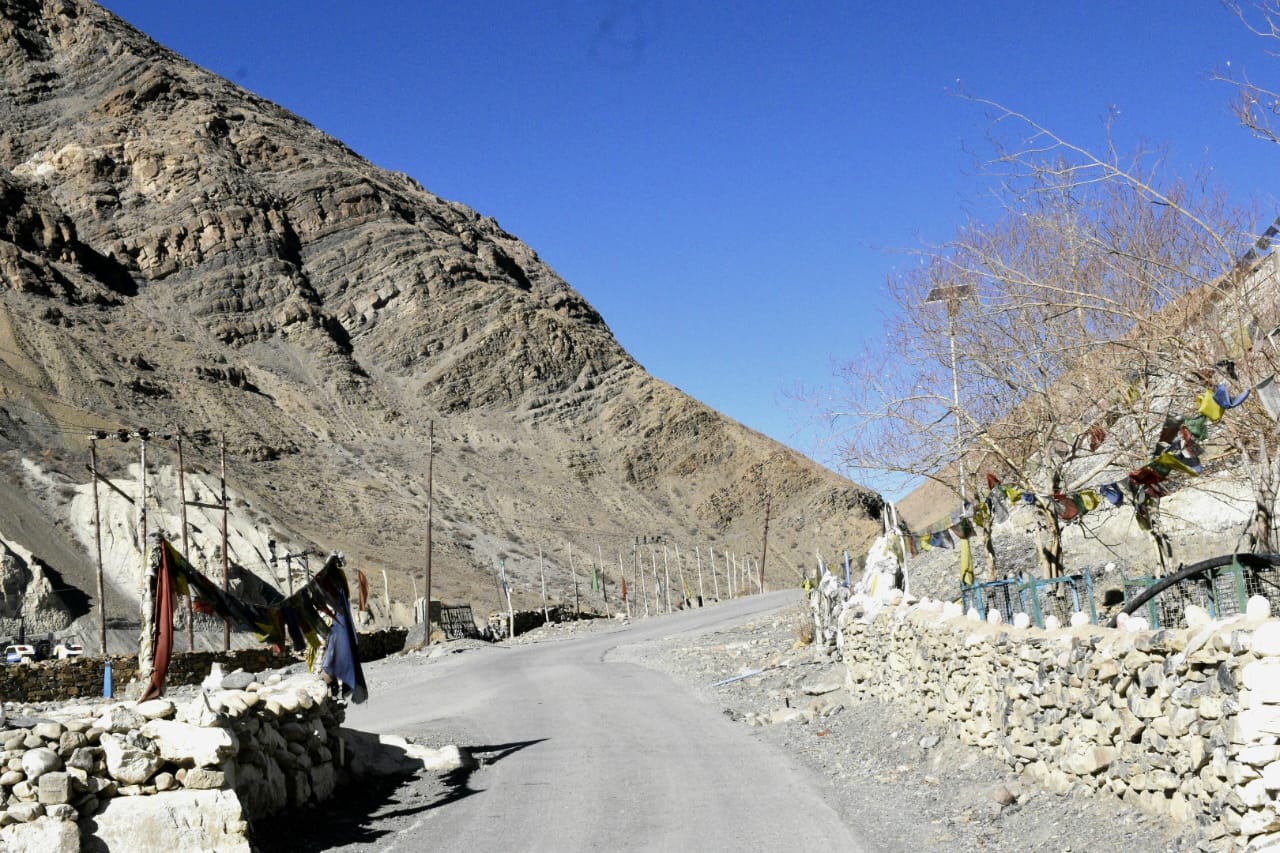
Distance and Route
Lingti Waterfall is located approximately 30 kilometers from Kaza, the main town of Spiti Valley. The journey typically takes 1 to 1.5 hours by road, depending on road conditions and your chosen stops along the way. The route follows the Lingti Valley, offering stunning views throughout the journey.
By Road
Taxi: The most convenient way to reach the waterfall is by hiring a taxi from Kaza. Most local drivers are familiar with the route and can serve as guides as well. Shared taxis are also available if you're traveling on a budget, though they may make multiple stops.
Private Vehicle: If you're on a road trip through Spiti Valley, you can drive your own vehicle to the waterfall. However, ensure your vehicle is in excellent condition and suitable for mountain driving. The roads can be challenging, with steep drops and narrow stretches that require careful navigation.
Public Transport: Limited bus services connect some villages in the Lingti Valley, but they don't go directly to the waterfall. You may need to combine bus travel with a local taxi or some walking to reach the final destination.
Road Conditions
The road to Lingti Waterfall is an adventure in itself. Mostly unpaved, it winds through dramatic mountain terrain with breathtaking views at every turn. The journey offers excellent photo opportunities, so keep your camera ready. During summer, the road is generally accessible to most vehicles, though high clearance is recommended. In monsoon, be prepared for wet and slippery conditions. In winter, heavy snow often makes the road impassable.
The Trek Experience
Once you reach the parking area near the waterfall, a short but rewarding trek awaits. This trek, though moderate in difficulty, offers an intimate experience with the raw beauty of Spiti Valley.Trek Details
The trek from the parking area to the main viewpoint of Lingti Waterfall covers approximately 1-2 kilometers and takes about 30-45 minutes each way. The path is well-defined but requires careful footing, as it can be rocky and uneven in sections. Good trekking shoes with proper grip are essential for a safe and comfortable experience.
Difficulty Level
The trek is rated as moderate and suitable for most people with average fitness levels. There are no steep climbs, but the altitude (around 3,800 meters above sea level) can make physical exertion feel more challenging than usual. Take your time, stay hydrated, and listen to your body. If you feel dizzy or unusually tired, take a break and rest before continuing.
What to Expect on the Trek
As you make your way towards the waterfall, you'll be treated to ever-changing views of the surrounding landscape. The path winds through rocky terrain, crosses small streams, and offers glimpses of the waterfall from various angles. Local flora, adapted to the harsh mountain environment, dots the landscape, adding touches of green to the predominantly brown mountains.
Exploration Time
Plan for 1-2 hours to fully explore the area around the waterfall. There are multiple viewpoints to visit, each offering a unique perspective of the cascade. Photography enthusiasts may want to spend additional time capturing the waterfall from different angles and experimenting with long-exposure shots.
Safety Precautions
While the trek is relatively safe, it's important to take basic precautions. Stay on marked paths, as venturing off can be dangerous due to loose rocks and steep drops. The rocks near the waterfall can be slippery, so watch your step carefully. Weather in the mountains can change rapidly, so carry a light rain jacket and warm layers even if the day starts sunny. Always trek with a companion or at least inform someone of your plans before heading out.
Photography Tips
Capturing the beauty of Lingti Waterfall requires some planning and technique. Here are some tips to help you get stunning photographs:
Best Time for Photography
The golden hours - shortly after sunrise and just before sunset - provide the most magical lighting conditions. The soft, warm light creates dramatic contrasts with the cool tones of the water and rocks. Midday sun, while harsh, can create interesting rainbows in the waterfall's mist if positioned correctly.
Camera Equipment
A wide-angle lens is ideal for capturing the waterfall against the dramatic mountain backdrop. A telephoto lens can help you isolate specific details and create compressed perspective shots. Don't forget a tripod for long exposure shots, which can create that silky water effect. If you're serious about photography, bring a polarizing filter to reduce glare and enhance the colors.
Composition Tips
Look for interesting foreground elements - rocks, plants, or streams - to add depth to your images. Use the rule of thirds to create balanced compositions. Don't just focus on the waterfall itself; include the surrounding landscape to tell the complete story of this magical place. Experiment with different shutter speeds to capture the water's movement - fast shutter speeds freeze the motion, while slow speeds create that dreamy, silky effect.
Long Exposure Techniques
For those classic silky water shots, use a slow shutter speed (1/2 second to several seconds depending on the flow). This requires a stable tripod to prevent camera shake. In bright conditions, you may need neutral density filters to achieve slow shutter speeds without overexposing your images. Experiment with different exposure times to find the effect that best captures the waterfall's character.
Protecting Your Equipment
The mist from the waterfall can create beautiful atmospheric conditions, but it's not great for camera equipment. Keep a microfiber cloth handy to wipe your lens regularly. Consider using a rain cover or plastic bag to protect your camera from moisture. When not shooting, keep your camera in your bag to prevent it from getting damp.
Nearby Attractions
Your visit to Lingti Waterfall can be combined with several other incredible attractions in Spiti Valley. Here are some must-visit places nearby:
Kaza
The main town of Spiti Valley, Kaza serves as the perfect base for your exploration. It offers accommodation options, restaurants, and essential supplies. Don't miss the local market where you can experience the unique culture of this remote Himalayan region. Kaza is also home to several ancient monasteries and traditional villages that offer insights into the local way of life.
Key Monastery
One of the most important Buddhist monasteries in the Himalayas, Key Monastery is a spiritual center that dates back over 1,000 years. Perched atop a hill at an altitude of 4,166 meters, it offers breathtaking views of the Spiti Valley. The monastery houses ancient scriptures, thangkas, and artifacts that tell the story of Tibetan Buddhism in this region. Key Monastery is also home to young monks who study here, adding to its vibrant atmosphere.
Kibber Village
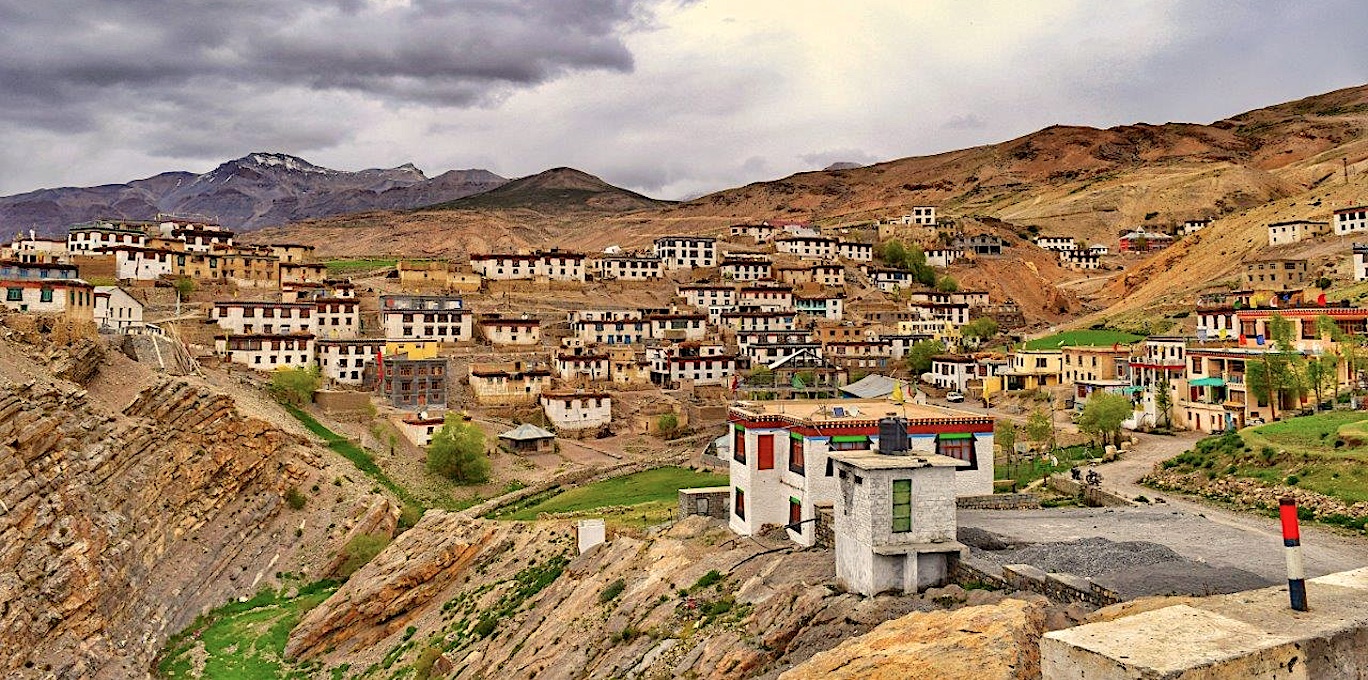
At 4,270 meters above sea level, Kibber is one of the highest permanently inhabited villages in the world. This traditional village offers a glimpse into the unique lifestyle of Spiti's high-altitude communities. The village is known for its traditional architecture, friendly locals, and stunning views of the surrounding mountains. It's also a great starting point for various treks and wildlife spotting expeditions.
Pin Valley
A short drive from Kaza, Pin Valley is a pristine wilderness area known for its unique flora and fauna. The valley is home to the Pin Valley National Park, which protects rare species like the snow leopard and Himalayan ibex. The traditional villages in Pin Valley have maintained their centuries-old way of life and offer cultural experiences unlike anywhere else. Pin Valley is particularly beautiful in autumn when the trees turn golden yellow against the brown mountains.
Dhankar Monastery
Another ancient monastery worth visiting, Dhankar Monastery is dramatically perched on a cliff overlooking the confluence of the Spiti and Pin rivers. The monastery, dating back to the 12th century, offers stunning views and houses important Buddhist relics. The hike to the monastery is moderate and rewards visitors with incredible panoramic views of the valley below.
Location
Frequently Asked Questions
Q1.Where is Lingti Waterfall located?
Q2.How far is Lingti from Kaza?
Q3.What is the best time to visit Lingti?
Q4.Is the trek to Lingti difficult?
Q5.How much time does it take to reach Lingti?
Q6.Can we visit Lingti in winter?
Q7.Are there accommodations near Lingti?
Q8.What should I carry for the trek?
Recommended For You
Kaza Spiti Valley: Itinerary, Stays, Route & Permit Information
Complete travel guide to Kaza in Spiti Valley! Find best time to visit, how to reach from Manali/Shimla, weather, hotels, places to visit, and essential travel tips.
Kibber Village Spiti: Altitude, Weather, Homestays & Route
Planning Kibber Village in Spiti? Get altitude details, best season, route from Kaza, weather tips, homestay guidance, and wildlife-focused travel advice.
Best Time to Visit Pin Valley: Weather, Road Access & Trek Season
Find the best time to visit Pin Valley with season-by-season guidance for trekking, wildlife, weather, and accessibility planning.
Never Miss an Adventure
Get the latest trekking guides, travel tips, and exclusive offers delivered straight to your inbox.
