
Manali to Spiti Valley: Route, Road Status & Itinerary Tips

Rohan Malhotra
January 10, 2026
Complete guide for traveling from Manali to Spiti Valley covering routes, distances, best time to visit, itinerary options, permits, and essential travel tips.
The Ultimate Manali to Spiti Valley Road Trip Guide
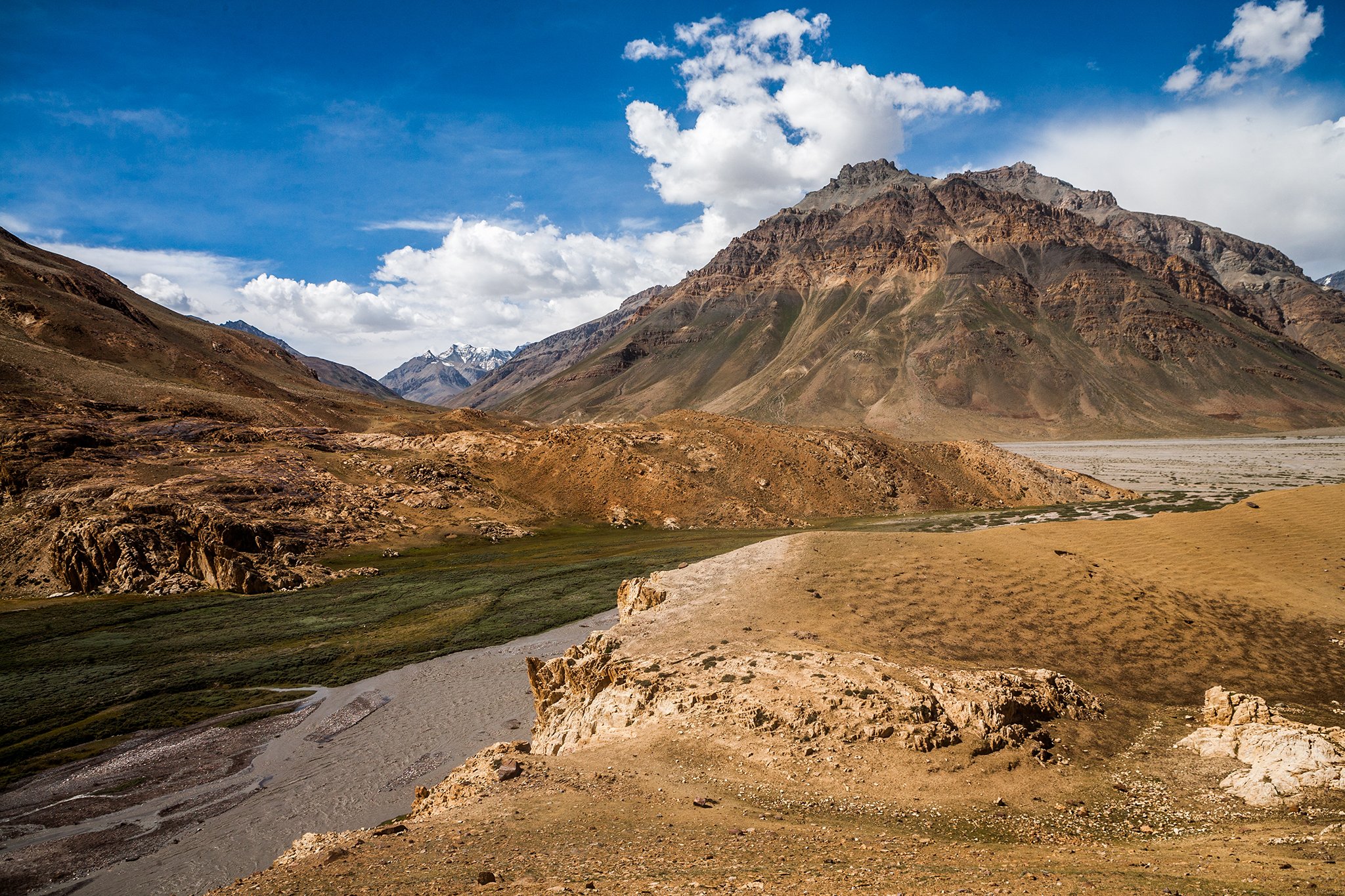
The journey from Manali to Spiti Valley represents one of India's most transformative travel experiences. This isn't just a road trip—it's a passage from the lush green Kullu Valley into a high-altitude desert moonscape that feels more Tibetan than Indian. While Spiti Valley can also be accessed via Shimla, the Manali route offers dramatic scenery and adventure. Over 426 kilometers, you'll traverse two of the world's highest motorable passes, navigate roads carved into cliff faces, and discover a region where Buddhist culture has thrived in isolation for centuries.
Spiti Valley, often called 'Little Tibet,' sits at an average altitude of 4,270 meters in Himachal Pradesh's northeastern corner. The name 'Spiti' means 'middle country'—a fitting name for a land tucked between Tibet, Ladakh, Kinnaur, and Lahaul. Until recently, this region was cut off for six months annually by winter snows. Even today, it remains one of India's most remote and sparsely populated areas, with approximately 30 people per square kilometer living in this harsh but beautiful landscape.
This guide covers everything you need to know about the Manali-Spiti route: when to go, how to travel, where to stop, and how to make this journey safely and memorably.

Manali to Spiti Valley Distance and Routes
The direct route from Manali to Spiti Valley (specifically to Kaza, Spiti's headquarters) covers approximately 426 kilometers. However, distance alone doesn't convey the journey's nature—this is slow, challenging mountain driving that typically takes 10-14 hours under good conditions.
Two Route Options
Route 1: Via Manali (Covered in detail in our Manali to Kaza guide)
- Distance: 426 km
- Time: 10-14 hours
- Key Passes: Rohtang Pass (3,978m), Kunzum Pass (4,551m)
- Season: Late June to October
- Pros: Spectacular scenery, direct route, high-adventure factor
- Cons: Very rough roads, extreme altitude gain, landslides in monsoon
Route 2: Via Shimla-Kinnaur (The Gradual Approach)
- Distance: Approximately 426 km (but 2+ days travel time)
- Time: 2 days recommended
- Key Passes: Shipki La (requires permit, often closed)
- Season: May to November (longer window than Manali route)
- Pros: Better road conditions, gradual acclimatization, scenic diversity
- Cons: Longer travel time, less dramatic initially, Inner Line Permit required
Why Choose the Manali Route?
Despite its challenges, the Manali route is the most popular for several reasons:
- Spectacular transition: The landscape changes dramatically from green valleys to brown mountains to snow-capped peaks to high-altitude desert
- Accessible bases: Most travelers start from Manali, which is easier to reach than Shimla for many
- Adventure factor: This route feels like an expedition, not just transportation
- Key attractions: Rohtang Pass, Chandratal Lake, and Kunzum Pass are highlights themselves
Best Time to Travel Manali to Spiti Valley
The Manali-Spiti route has a narrow travel window dictated by snow at high passes.
| Month | Road Status | Pros | Cons | Recommendation |
|---|---|---|---|---|
| June | Opening | Few crowds, snow visible, wildflowers | Rough roads, water crossings, unpredictable | |
| July | Open | Accessible, Chandratal open | Acceptable but risky | |
| August | Lush greenery, good accessibility | Riskiest month | ||
| September | Open | Stable roads, good weather, fewer crowds | Ideal balance | |
| October | Open | Excellent for prepared travelers | ||
| November | Closing | Only for experienced winter travelers |
Recommendation: September
September offers the sweet spot: roads are stable from summer repairs, monsoon has largely passed, days are still reasonably long, and temperatures are cold but manageable. You'll miss the worst of the crowds but still have all facilities operational.
Sample Itinerary: Manali to Spiti Valley
Most travelers don't attempt the Manali-Kaza journey in one day. Here's a logical 5-day itinerary that maximizes experience while minimizing altitude risk:
Day 1: Manali to Chandratal (via Rohtang Pass)
Distance: 122 kilometers
Driving time: 6-8 hours
Stay: Camp at Chandratal or basic guesthouses near Batal
Depart Manali early (5 AM) to cross Rohtang Pass before crowds arrive. The journey to Chandratal Lake is spectacular, passing through dramatic changing landscapes. Arrive at Chandratal by afternoon, set up camp or check into basic accommodation, and spend evening by this stunning high-altitude lake.
Altitude note: Chandratal sits at 4,300 meters. If you're concerned about altitude, consider staying at lower Batal (4,060m) instead.
Day 2: Chandratal to Kaza
Distance: 83 kilometers
Driving time: 4-5 hours
Stay: Kaza
Cross Kunzum Pass in morning when weather is typically stable. Descend into Spiti Valley and visit Key Monastery en route to Kaza. Arrive Kaza by afternoon, check into hotel, and rest to acclimatize to Kaza's 3,800m altitude.
Day 3: Kaza Local Sightseeing
Activities: Key Monastery, Kibber Village, Gette Village, Langza
Spend a full day exploring around Kaza. Visit Key Monastery in morning for best light. Drive to Kibber (4,200m), one of Spiti's highest villages with excellent mountain views. Continue to Gete (4,270m) for even more dramatic scenery. End at Langza to see ancient marine fossils and view Spiti's iconic Buddha statue overlooking the valley.
Day 4: Pin Valley Excursion
Distance: Approximately 80 kilometers roundtrip from Kaza
Drive time: 4-5 hours
Highlights: Mud Village, Pin Valley National Park
Drive to Pin Valley, dramatically different from main Spiti Valley with its lush greenery in contrast to Spiti's brown mountains. Visit Mud Village, the last settlement before the Tibet border. Pin Valley is excellent for wildlife spotting—snow leopards (rare), ibex, and numerous bird species. Return to Kaza for night.
Day 5: Kaza to Manali (Return)
Distance: 426 kilometers
Driving time: 10-12 hours
Return via same route or extend trip by continuing to Tabo and then exiting via Shimla (adds 2-3 days). Most travelers return to Manali directly, retracing the spectacular journey.
Transportation Options Manali to Spiti
Self-Driving
Driving your own vehicle offers maximum flexibility but demands serious preparation:
- Suitable vehicles: SUVs preferred. High clearance essential for rough sections between Gramphu and Kunzum Pass. Some attempt in hatchbacks but damage risk is high.
- Vehicle preparation: Excellent brakes, sturdy tires, good suspension. Carry full-size spare tire, jack, and basic tools.
- Fuel strategy: Fill up in Manali. No reliable fuel until Kaza. Many carry extra fuel in approved jerry cans.
- Driver requirements: Experienced mountain driving mandatory. This route tests every skill—hairpin bends, gravel surfaces, water crossings, steep descents, and altitude-impaired concentration.
Hired Taxi from Manali
This is the most popular option. Local Manali taxi drivers know this route intimately:
- Cost: ₹15,000-20,000 for Manali-Kaza one-way (varies by season and negotiation)
- Booking: Use registered taxi stands in Manali. Negotiate price upfront, specifying whether it includes driver accommodation (driver usually stays in Kaza and returns next day, charging for both ways).
- Advantages: Drivers handle rough roads expertly, know current conditions, and can help with basic breakdowns.
HRTC Bus
Himachal Road Transport Corporation runs buses when the road is open:
- Frequency: 2-3 buses per week (check Manali bus stand for current schedule)
- Fare: Approximately ₹700-900 per person
- Duration: 12-14 hours including stops
- Comfort: Basic. Seats can be uncomfortable on rough sections. However, buses are generally safe with experienced drivers.
Organized Tours
Many Manali-based tour operators organize Spiti trips ranging from 5-10 days. These typically include transportation, accommodation, meals, and sightseeing. Prices vary widely based on group size and accommodation quality.
Altitude and Acclimatization
Altitude sickness is the single biggest risk on the Manali-Spiti journey. Understanding and managing it is non-negotiable.
The Altitude Problem
You'll spend extended time above 4,000 meters:
- Rohtang Pass: 3,978m
- Kunzum Pass: 4,551m
- Chandratal: 4,300m
- Kaza: 3,800m
- Kibber: 4,200m
At these altitudes, oxygen is 40-60% of sea level. Physical and mental performance decline. Risk of Acute Mountain Sickness (AMS), High Altitude Pulmonary Edema (HAPE), and High Altitude Cerebral Edema (HACE) increases dramatically.
Acclimatization Strategy
Pre-acclimatize in Manali: Spend 2-3 days in Manali (2,050m) before attempting Spiti. This gives your body time to produce additional red blood cells.
Gradual ascent: Don't rush. The itinerary above builds in gradual altitude gain. Avoid ascending more than 500-600m daily sleeping altitude once above 3,000m.
Medication: Consult a doctor about Diamox (acetazolamide). Many travelers start taking it the day before ascent. This prevents AMS in most people but is medical advice—consult professionals. Be aware of acute mountain sickness symptoms and know when to descend.
Hydration and diet: Drink 3-4 liters of water daily. Avoid alcohol and sedatives. Eat light, high-carbohydrate meals. Heavy digestion requires oxygen your brain needs.
Recognize symptoms:
- Mild AMS: Headache, nausea, dizziness, fatigue, loss of appetite. Usually resolves with rest and hydration.
- Severe AMS/HAPE/HACE: Vomiting, confusion, inability to walk straight, chest pain, shortness of breath at rest, coughing frothy fluid. These are medical emergencies requiring immediate descent.
Golden rule: If symptoms worsen, descend. Mountains will be here next year—your health won't wait.
Key Attractions En Route Manali to Spiti
Rohtang Pass (3,978m)
The gateway between Kullu Valley and Lahaul, Rohtang Pass offers panoramic views of peaks, glaciers, and valleys. The pass itself is a tourist attraction with shops selling tea and instant noodles. Don't linger too long—altitude here causes rapid deterioration if you're not acclimatized.
Chandratal Lake (4,300m)
Spiti's most famous lake, Chandratal Lake is breathtakingly beautiful. The turquoise water changes color with light—from deep blue to turquoise to emerald. The lake is surrounded by snow peaks and brown mountains, creating stark contrasts that photographers love.
Camping: Basic tent facilities operate seasonally. Independent camping is possible but come prepared—temperatures drop below freezing even in summer.
Kunzum Pass (4,551m)
The highest point on the route, Kunzum Pass offers spectacular 360-degree views. A small Buddhist shrine decorated with prayer flags marks the summit. Travelers typically stop here briefly to offer prayers for safe journey before the steep descent into Spiti Valley.

Losar
Spiti's first substantial village, Losar feels authentic with traditional stone houses, barley fields, and prayer wheels fluttering in the wind. Basic guesthouses and simple restaurants make this a logical overnight stop between Kunzum Pass and Kaza.
Key Monastery
Spiti's largest gompa (monastery), Key dates to the 11th century and houses priceless ancient texts, thangkas (Buddhist paintings), and artifacts. The monastery's location on a hilltop provides spectacular views of the Spiti Valley. Monks are often welcoming to respectful visitors.
Kibber Village
At 4,200 meters, Kibber is one of the world's highest inhabited villages with permanent motorable access. The village offers dramatic mountain scenery, traditional Spiti architecture, and a chance to see how people live in this harsh environment. Wildlife enthusiasts sometimes spot blue sheep and snow leopards in surrounding areas.
What to Pack for Spiti Valley
Clothing
- Thermal inner wear: Essential. Multiple sets if possible.
- Fleece sweater/jacket: Core warmth layer.
- Down jacket or heavy wool: For evenings and early mornings.
- Windproof/waterproof outer shell: Mountain weather changes instantly.
- Warm hat, gloves, scarf: Non-negotiable for Kunzum Pass and nights.
- Comfortable walking shoes: With good grip.
Essential Gear
- Sun protection: Sunglasses (UV-rated), sunscreen SPF 50+, lip balm with SPF. UV at 4,000m causes serious burns quickly.
- Water bottles: 2-3 liter capacity. Plastic bottles freeze at night—bring insulated carrier if possible.
- Headlamp/torch: Power cuts are common.
- Basic medical kit: Diamox (consult doctor), pain relievers, bandages, blister treatment, altitude medication.
Documents
- ID proofs: Original and copies (required for permits)
- Permits: Rohtang Pass permit, Inner Line Permit if visiting areas near China border
- Emergency contacts: List of hospitals, embassies, travel insurance details
Practical Travel Tips
Start early: Depart Manali by 5 AM. Mountain driving after dark is dangerous—edges are invisible, animals wander onto roads, and your concentration is impaired by altitude.
Cash strategy: ATMs are rare. Kaza has State Bank of India and Punjab National Bank but they frequently run out of cash or malfunction. Carry sufficient cash for your entire trip plus emergency buffer.
Connectivity: Mobile reception is extremely limited. BSNL has best coverage but don't depend on it. Only Airtel and BSNL work in Spiti—Jio and Vi have almost no coverage. Download offline maps before departure.
Food strategy: Options are very limited between Manali and Kaza. Carry snacks, energy bars, and perhaps meal replacement if you have dietary restrictions. Local food is basic—dal, rice, vegetables, and momos (Tibetan dumplings).
Permit management: Rohtang Pass requires online permits booked in advance. Inner Line Permits for areas beyond Kaza can be obtained in Kaza from the SDM office—carry multiple passport photos and ID copies.
Cultural respect: Spiti is culturally Tibetan. Dress modestly (especially at monasteries). Don't photograph religious ceremonies without permission. Drive slowly through villages. Don't litter—this fragile environment struggles to handle waste.
Emergency preparedness: Know evacuation routes. Medical facilities are basic in Kaza (small hospital) and non-existent beyond. Serious cases require evacuation to Manali or Shimla. Travel insurance covering high-altitude emergencies is strongly recommended.
Extending Your Spiti Experience
The journey from Manali covers only part of Spiti Valley. Consider extending to explore:
Tabo: Home to Tabo Monastery (caves dating to 996 AD), often called the Ajanta of the Himalayas for its ancient paintings.
Dhankar: Dramatically perched monastery and ruins of Dhankar Fort, former capital of Spiti.
Pin Valley: Distinct ecosystem with wildlife including snow leopards, and the beautiful Mud Village.
Return via Shimla: Instead of returning to Manali, continue from Kaza to Tabo to Sumdo to Recong Peo to Shimla—a 2-day journey through Kinnaur with different scenery and better roads.
Final Thoughts
The Manali to Spiti Valley journey delivers on every promise of Himalayan adventure: breathtaking scenery, cultural immersion, physical challenge, and that profound feeling of reaching somewhere truly remote. This isn't an easy trip—rough roads, basic facilities, and genuine altitude challenges test your resolve.
But for those who prepare properly and travel with respect for the mountains and local culture, Spiti rewards with experiences that few other Indian destinations can match. Watching sunset over Chandratal Lake, hearing monks chant at Key Monastery, or simply drinking tea while gazing at peaks rising 6,000 meters above the valley floor—these moments make every challenging kilometer worthwhile.
Travel Spiti with humility and preparation, and it will deliver one of India's most transformative journeys.
Location
Frequently Asked Questions
Q1.What is the distance from Manali to Spiti Valley?
Q2.When is the best time to travel from Manali to Spiti Valley?
Q3.What is the road condition from Manali to Spiti Valley?
Q4.How can I reach Spiti Valley from Manali?
Q5.What permits are required for Manali to Spiti Valley trip?
Q6.Is altitude sickness a concern on Manali to Spiti route?
Q7.How many days are required for Manali to Spiti Valley trip?
Q8.Are there petrol stations on Manali to Spiti route?
Recommended For You
Spiti Valley In May: Weather Road Status And Places
Visit Spiti Valley in May! Guide to weather, road conditions, temperature, snow, Manali route & travel tips for spring trip.
Nako Village Stay: Homestays, Budget Options & Best Areas
Find best stays in Nako Village Spiti! Guide to homestays, hotels, guesthouses, prices & booking for your Spiti trip.
Shimla to Spiti Valley Bike Trip: Route Map, Fuel Stops & Day Plan
Complete guide for Shimla to Spiti Valley bike trip with route, itinerary, road conditions, best time, cost & travel tips for epic Himalayan adventure.
Never Miss an Adventure
Get the latest trekking guides, travel tips, and exclusive offers delivered straight to your inbox.
