
Laka Glacier Spiti Guide: Trek Preparation, Route Pacing, Weather Risks, and High-Altitude Planning

Rahul Garg
February 27, 2026
Plan Laka Glacier Spiti with fitness prep, acclimatization logic, and safety-first trekking execution.
Introduction
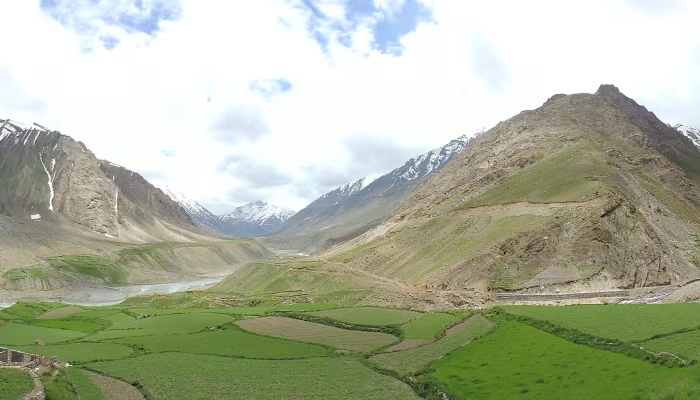
Laka Glacier in the Spiti context attracts trekkers who want raw mountain terrain, changing glacier-edge views, and a high-altitude trail experience that demands real preparation. The route can feel deceptively simple online, but field execution depends on acclimatization, weather adaptation, and strict pace control. This guide gives a practical framework for planning Laka Glacier Spiti responsibly. If you want a safer and more rewarding expedition, focus on preparation quality rather than speed targets.
What Makes Laka Glacier Trek Distinct
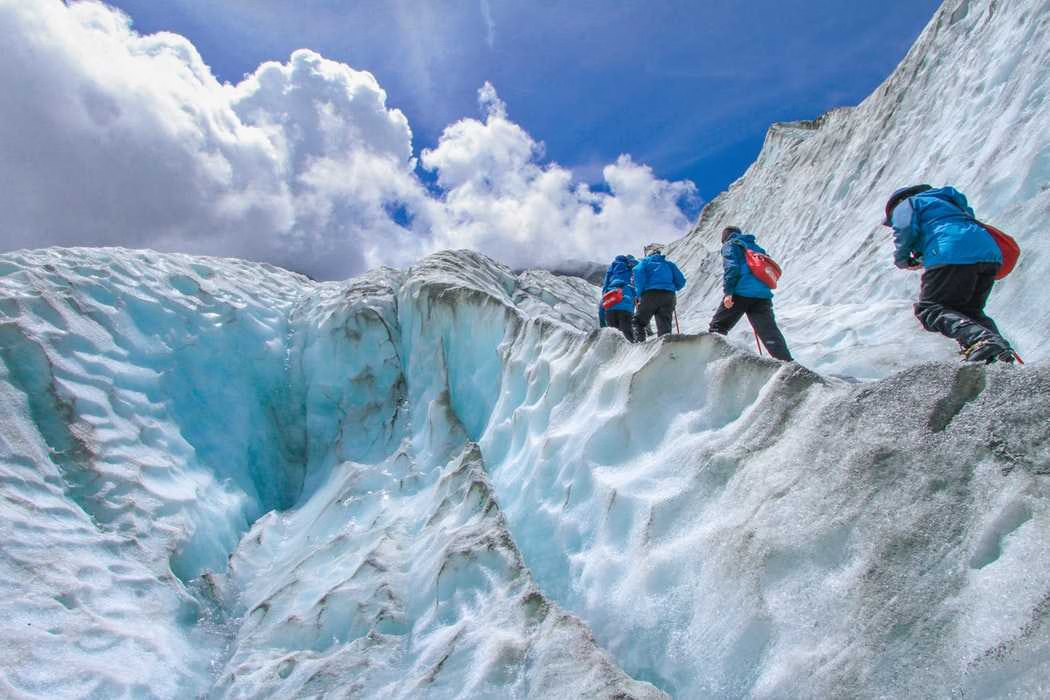
Laka Glacier experiences are shaped by altitude exposure, terrain transitions, and rapidly changing mountain conditions. Unlike short day hikes, this route rewards trekkers who maintain consistent effort and conservative decision-making. The visual reward is substantial, but only when approached with discipline. Overconfidence, underprepared gear, and poor hydration are frequent reasons for failed or stressful attempts.
Fitness and Acclimatization Preparation
Start fitness work at least four to six weeks before departure with stair sessions, incline walking, and endurance blocks. Include backpack-carry practice and recovery routines. Acclimatization is equally important. Avoid planning Laka immediately after rapid altitude gain. Keep one adaptation day and monitor body response before the main trek push. Preparedness improves summit-window quality and descent safety.
Season and Weather Strategy
Spiti weather is dynamic and can shift quickly. Select your trek window with terrain and visibility considerations, not only social-media photos. Keep one weather buffer day and avoid hard commitments that force risky movement in unstable conditions. For broader timing context, compare with best time to visit Spiti Valley and adjust your route accordingly.
Route Pacing and Energy Management
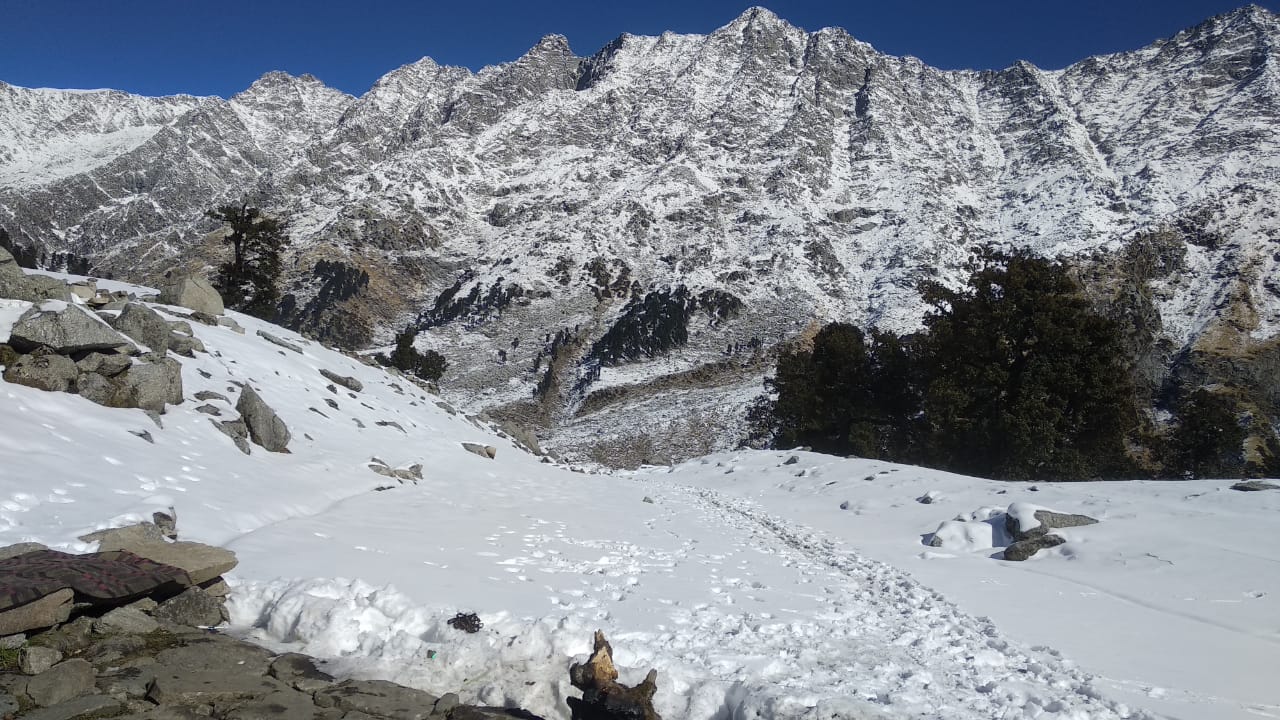
Use a steady, repeatable pace. Avoid aggressive starts that cause energy drop later. Keep short hydration breaks and maintain consistent calorie intake. If trekking in a group, align with the slowest stable member and keep clear regroup points. Controlled pacing reduces altitude stress and keeps decision-making clearer in exposed sections.
Gear Priorities
Carry weather-ready layers, trail footwear with grip, hydration support, compact first-aid essentials, and minimal but practical load. Overpacking increases fatigue; underpacking increases risk. Keep waterproof protection accessible in case conditions shift. A smart gear system supports both comfort and safety across changing trail sections.
How to Combine Laka with Spiti Itinerary
Place Laka Glacier after acclimatization-friendly days and before heavy transfer blocks. Avoid long road travel immediately after the most demanding trek day. For wider planning, align with Spiti Valley trek context and compare adjacent options like Chandratal trek in Spiti on separate windows rather than stacking physically intense routes together. Add one buffer for weather and recovery.
Common Trek Mistakes to Avoid
Late starts, poor hydration, no acclimatization margin, and weak descent discipline are the top mistakes. Another issue is copying someone else's timeline without accounting for personal fitness and current weather. Correct this by setting flexible cut-off points and safety-first decision rules before starting.
Descent Safety and Post-Trek Recovery
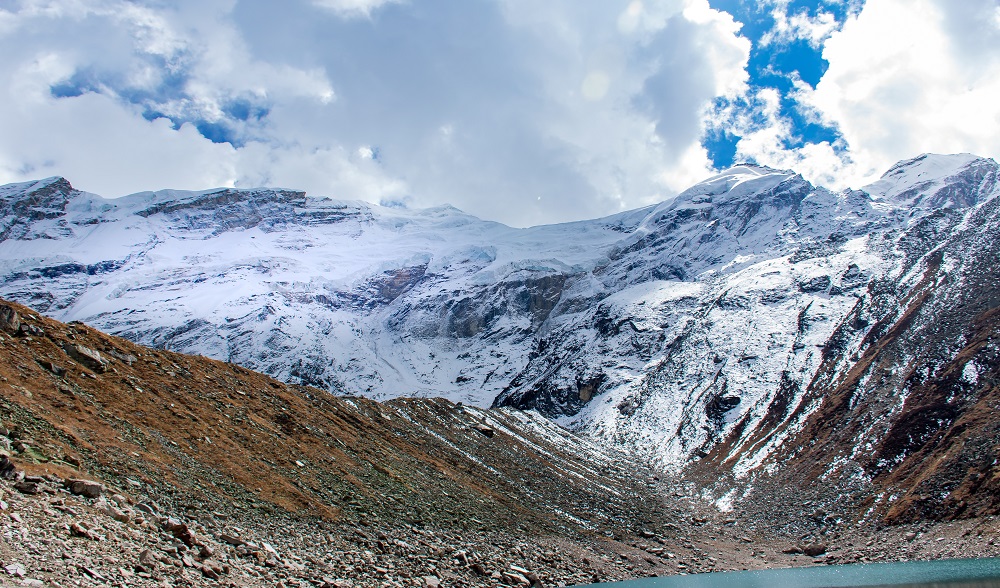
Descent requires as much control as ascent. Keep foot placement deliberate, avoid rushing, and maintain communication in group movement. After completion, prioritize hydration, warm food, and rest before next transfer. Recovery planning prevents carryover fatigue and reduces risk in your remaining Spiti itinerary.
Practical 2-Day Trek Structure
Day 1: approach and controlled ascent with acclimatization awareness. Day 2: glacier window, safe descent, and recovery-focused closure. This compact model works when weather and fitness align, but always keep one fallback day available.
Pre-Trek Logistics That Reduce Risk
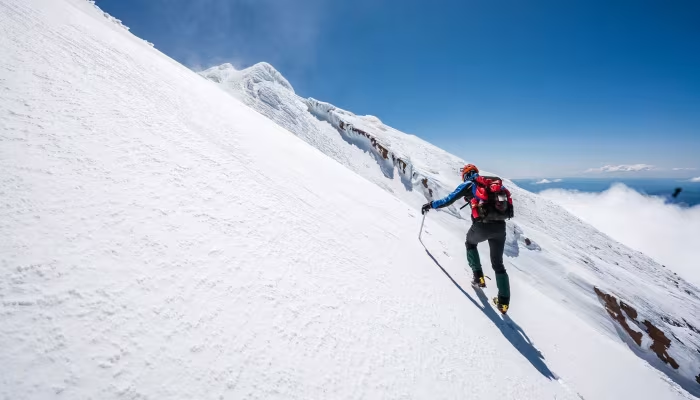
Many Laka Glacier attempts become difficult before the trail even starts because logistics are underplanned. Confirm route support, weather updates, altitude staging, and communication protocols before departure. Keep emergency contacts accessible offline and verify transport reliability for both approach and return. Logistics quality influences trail confidence and can decide whether your weather window is used effectively or lost to preventable delays.
A reliable pre-trek system includes: final gear check, hydration prep, sleep quality before trek day, and clear group role assignment. Assign one person to monitor timing and one to monitor health markers in group settings. These role-based systems reduce confusion and improve safety decisions under pressure.
Trail Execution in Changing Terrain
Glacier-edge and moraine-adjacent sections require deliberate movement. Keep three-point awareness: foot placement, weather direction, and group spacing. Avoid rushing technical-looking segments just because the group appears to move fast. The best trekkers are not the fastest; they are the most consistent under changing conditions. In Spiti terrain, consistency is safety.
If weather visibility drops, shift instantly to conservative mode: shorter strides, tighter communication, and clearer regroup intervals. Do not continue on assumption that conditions will improve in minutes. Conservative adaptation prevents compounding errors and preserves safe descent windows.
Post-Glacier Decision Discipline
After reaching your primary glacier objective, decision quality often drops due to emotional release and fatigue. This is where many small mistakes begin. Keep your descent protocol pre-decided: hydration stop, pace reset, controlled movement, and no unnecessary detours. Post-objective discipline is a hallmark of mature trekking practice and often determines whether the overall trip feels strong or chaotic.
If you are extending the trip in Spiti, place low-intensity activities immediately after glacier day. Give your body time to recover before another demanding segment. This protects both safety and enjoyment across the full itinerary.
Team Dynamics and Decision Quality on Glacier Routes
In high-altitude trekking, team behavior can be as important as fitness. If one member is struggling, the group should adapt pace instead of forcing split movement. Keep communication short and clear: status, next pause point, hydration check, and weather observation. This reduces confusion and prevents risky assumptions. Strong team dynamics create safer outcomes even in variable terrain.
Before the final glacier window, agree on turnaround logic based on weather, time, and group condition. Fixed decision rules remove emotional pressure and help everyone stay aligned. Trek leaders and independent groups both benefit from this protocol because it prevents last-minute unsafe pushes.
After-Trek Recovery That Preserves the Full Trip
Recovery after Laka Glacier should include deliberate hydration, warm nutrition, and reduced movement for the next few hours. Avoid immediately shifting to long road travel or another demanding activity. If your wider trip includes additional Spiti exploration, use the next day for low-intensity movement and local acclimatized pacing. Preserving recovery improves both safety and enjoyment for the rest of your itinerary.
A good trek is not only a successful ascent; it is a stable completion with controlled descent and healthy continuation. This mindset keeps mountain travel sustainable over multiple days.
Final Field Reminder
Keep weather checks frequent, maintain communication discipline, and protect descent timing. Laka Glacier days reward calm execution more than speed.
Closing Trek Note
Carry a conservative mindset throughout the route and avoid rushing late in the day. Stable pacing and thoughtful decisions are the strongest tools on glacier terrain.
Last Safety Line
Respect cut-off timing and keep descent controlled in all conditions.
Final Reminder
Hydrate regularly, stay grouped, and keep route decisions conservative.
Last Line
Safety, patience, and weather respect define successful glacier trekking.
Note
Clarity and caution are your best tools on mountain trails.
Note Two
Consistency matters.
Conclusion
Laka Glacier Spiti can be one of the most rewarding high-altitude experiences when planned with realistic pacing, weather awareness, and disciplined execution. Train beforehand, protect acclimatization, and keep decisions safety-first. With this approach, you maximize both experience quality and successful completion.
Location
Frequently Asked Questions
Q1.Is Laka Glacier trek difficult?
Q2.What is the most important safety factor on Laka Glacier route?
Q3.Can beginners attempt Laka Glacier Spiti?
Q4.How do I reach the base for the Laka Glacier trek?
Q5.What is the best season for the Laka Glacier trek?
Recommended For You
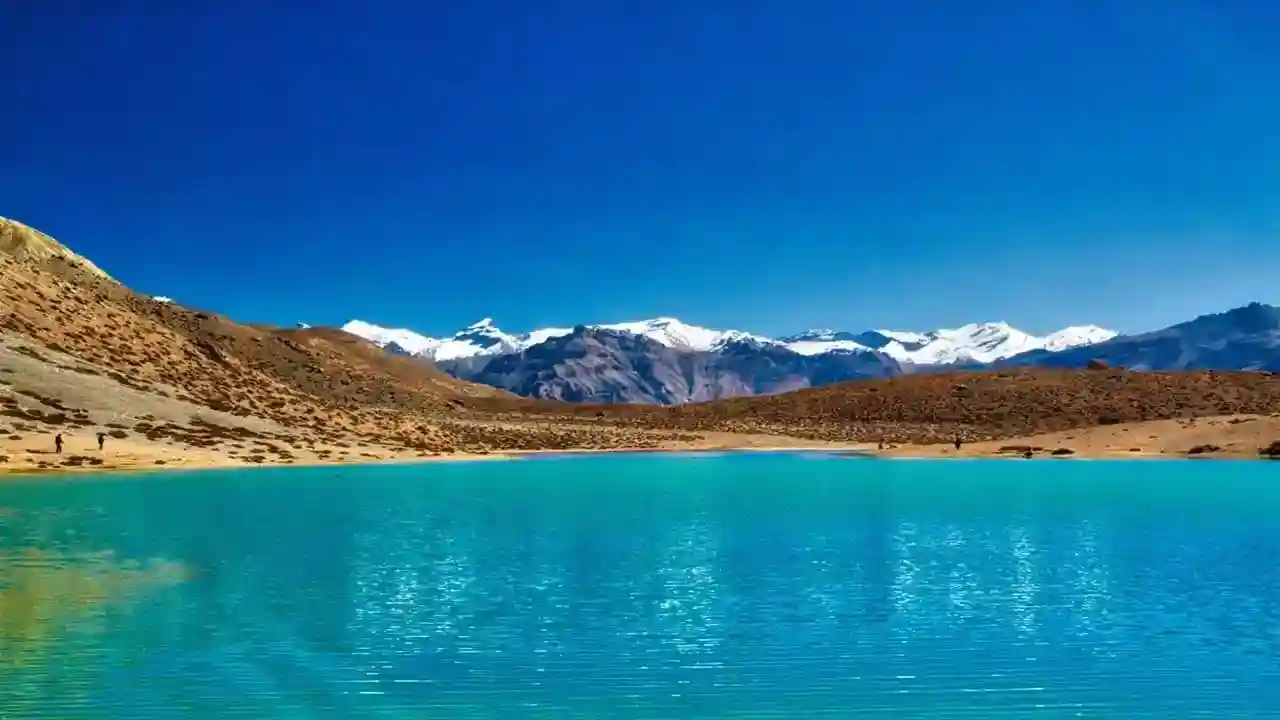
Dhankar Lake Trek Spiti: Trail Details, Height & Timing
Complete guide to Dhankar Lake trek in Spiti Valley. Difficulty level, distance, height, best time, how to reach & detailed trekking guide with route map.
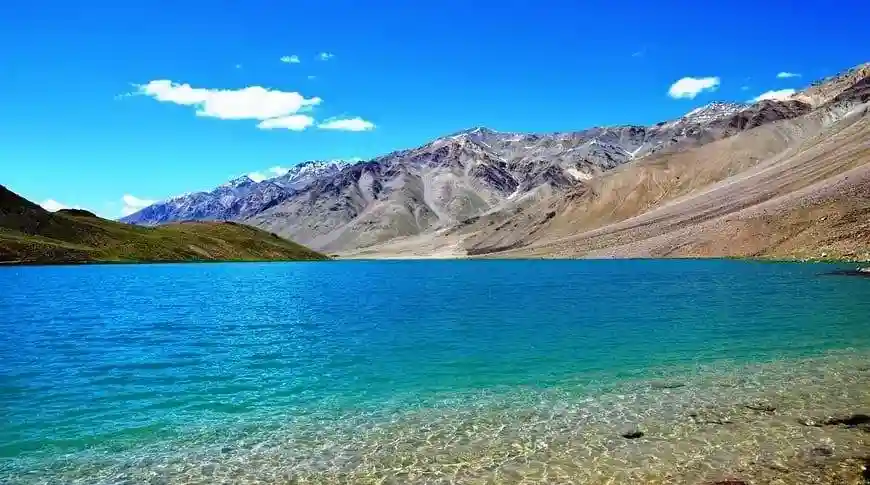
Things to Do in Spiti Valley: Monasteries, Villages & Routes
Discover the top 15 things to do in Spiti Valley including Key Monastery, Chandratal Lake, Pin Valley, ancient villages, and high-altitude adventures. Complete guide with itineraries, costs, and travel tips.
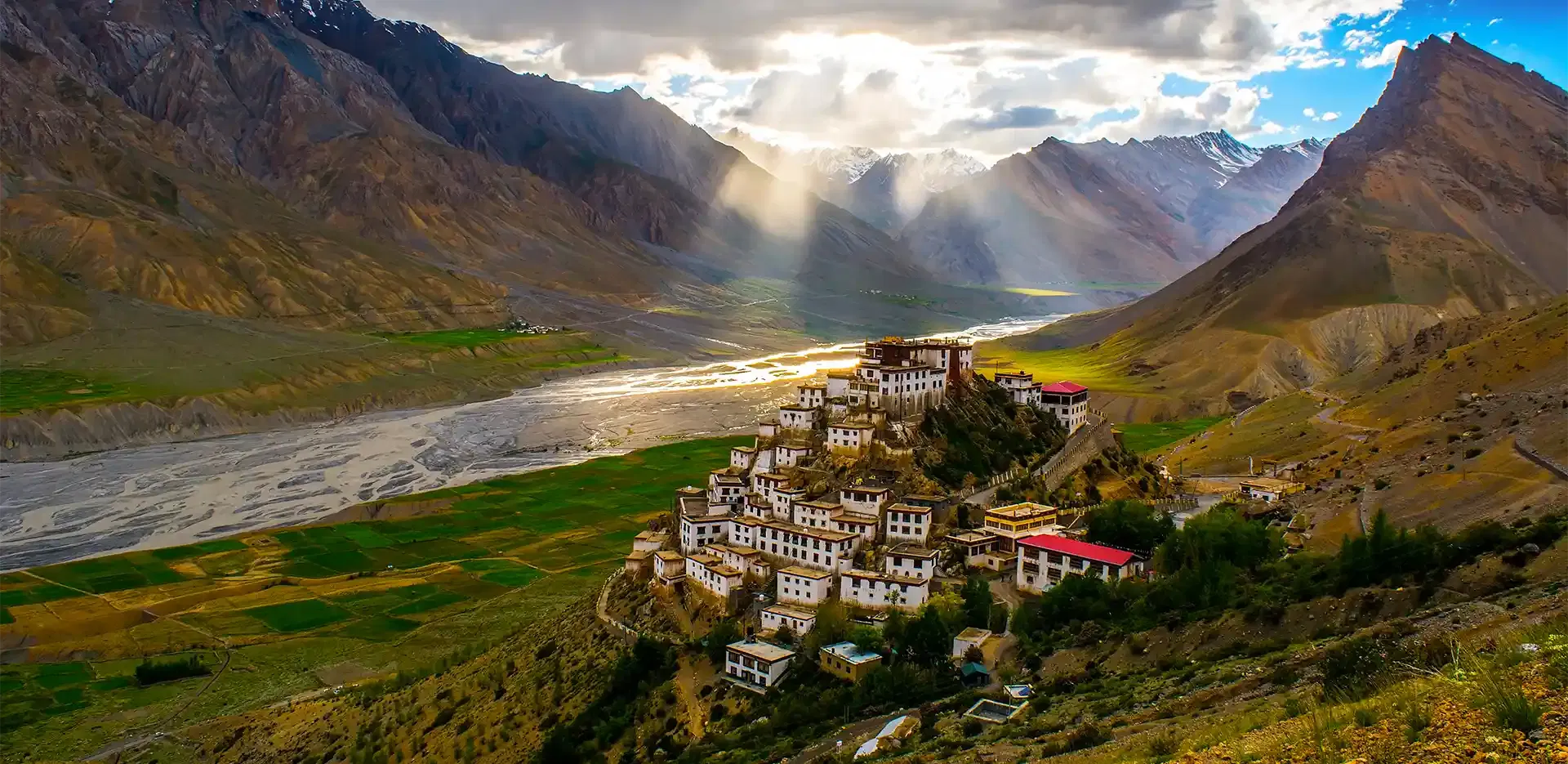
Spiti Valley Weather: Best Time To Visit And Conditions
Complete Spiti Valley weather guide with month-wise temperature, rainfall, and snowfall details. Best time to visit plus essential weather travel tips.
Never Miss an Adventure
Get the latest trekking guides, travel tips, and exclusive offers delivered straight to your inbox.
