
Nako Village Spiti: Homestays, Monastery & Lake Itinerary

Priya Mehta
December 23, 2025
Visit Nako Village in Spiti Valley. Ancient monastery, sacred lake, homestays & complete travel guide.
Nako Village: Ancient Himalayan Settlement
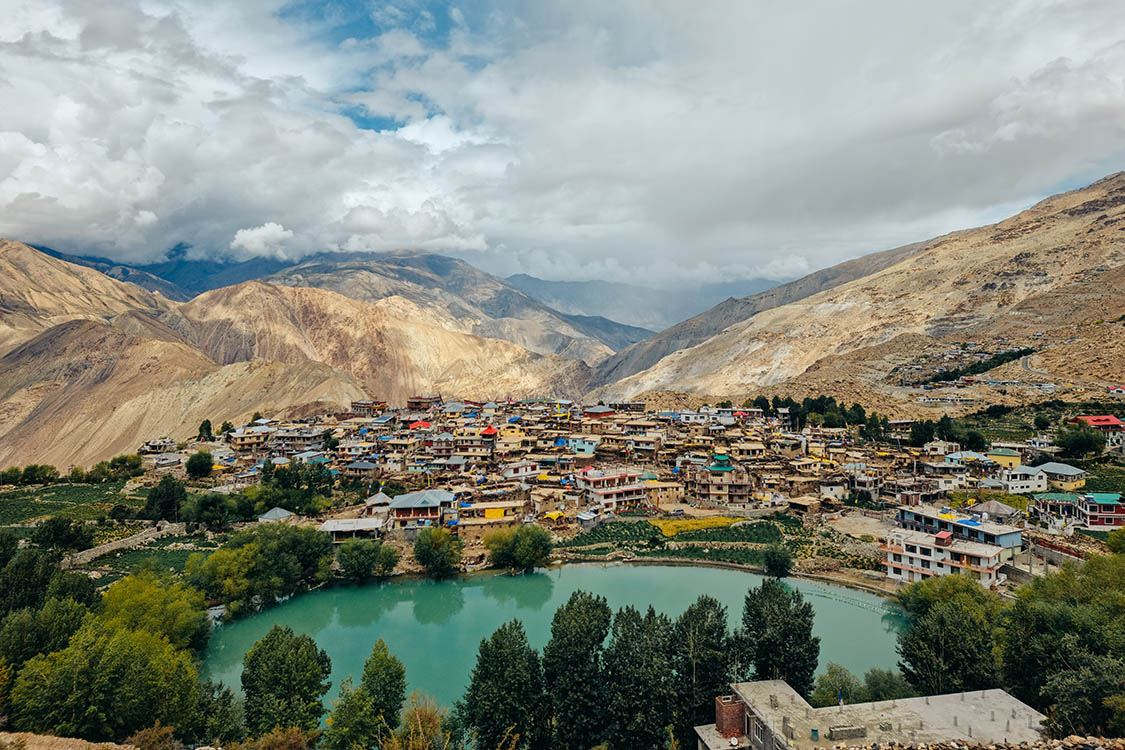
Perched at 12,014 feet in the remote Spiti Valley, Nako village stands as a living testament to traditional Himalayan life. This ancient settlement, home to approximately 1,000 residents, has preserved its cultural heritage while welcoming curious travelers into its fold. The village clings to a mountainside, offering panoramic views of the sacred Nako Lake below and snow-capped peaks stretching to the horizon.
What makes Nako Village truly special is its authentic character. Unlike touristy destinations that have lost their soul to commercialization, Nako remains genuinely untouched. Traditional stone and mud houses, chortens (stupas) dotting the landscape, prayer flags fluttering in the mountain breeze, and the gentle rhythm of village life create an atmosphere that feels suspended in time. For travelers seeking genuine Himalayan culture away from the beaten path, Nako delivers an immersive experience that connects you to centuries of tradition.
The village sits on the border between Kinnaur and Spiti regions, absorbing cultural influences from both. Its strategic location along ancient trade routes between India and Tibet has shaped its unique identity. Today, Nako represents one of the most accessible examples of traditional Spitian life, offering visitors a rare opportunity to experience high-altitude village culture without extreme remoteness.
About Nako Village
Location and Setting
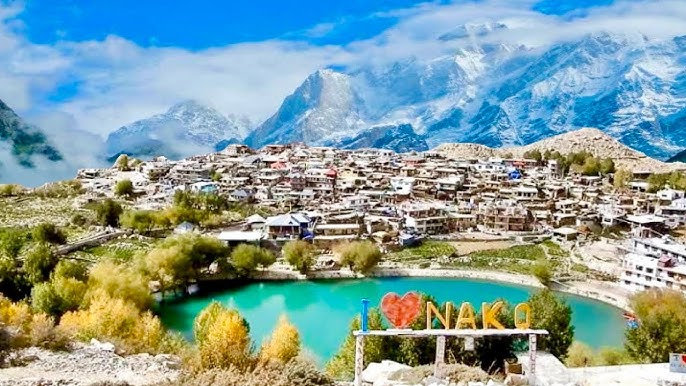
Nako village is located in the Kinnaur district of Himachal Pradesh but culturally and geographically forms part of Spiti Valley. The village sits at an altitude of 12,014 feet (3,662 meters), making it one of the higher inhabited villages accessible by road. The settlement stretches along a mountainside above the sacred Nako Lake, with houses built in terraced formations following the natural contours of the terrain.
The village location was strategically chosen by ancestors for its defensive position and access to water. Today, this elevated setting offers stunning views of the surrounding valleys and peaks. The landscape around Nako is dramatic - high desert mountains on one side, the pristine lake on another, and vast expanses of Spiti Valley visible from vantage points. The natural beauty combined with traditional architecture creates a photographer's paradise.
Historical Significance
Nako's history spans centuries, with evidence suggesting continuous habitation for over 1,000 years. The village's location along the ancient trade route between India, Tibet, and Central Asia brought prosperity and cultural exchange. This history is reflected in the village's architecture, customs, and religious practices.
The village has maintained its traditional character despite modernization reaching other parts of Spiti. Residents continue to build houses using time-tested techniques - stone foundations, mud walls, and wooden beams. The layout follows traditional patterns designed for community living and spiritual practice. This preservation of heritage makes Nako an invaluable cultural resource and a fascinating study in sustainable Himalayan living.
Village Life and Traditions
Life in Nako follows the rhythm of nature and Buddhist traditions. Most residents are practitioners of Tibetan Buddhism, and the monastery forms the spiritual center of village life. Morning and evening prayers punctuate the day, and religious festivals mark the passage of seasons. The community maintains strong bonds, with families supporting each other through harsh winters.
Agriculture remains important to village economy. Residents grow barley, potatoes, and peas in short growing seasons. Yak and sheep herding continues, though on a smaller scale than historically. Women play crucial roles in managing households, farming, and preserving traditional crafts like weaving. Despite modern influences, Nako's youth often return to the village after education, maintaining generational continuity.
Nako Monastery
Spiritual Heart of the Village
The ancient Nako Monastery overlooks the village from a higher elevation, serving as its spiritual center. Dating back several centuries, the monastery is smaller than famous monasteries like Key or Dhankar but holds deep significance for local Buddhists. Its elevated position symbolizes the village's devotion and provides panoramic views.
The monastery complex contains several temples adorned with beautiful wall paintings depicting Buddhist deities, mandalas, and spiritual scenes. These artworks, though less extensive than Tabo's, demonstrate the same rich artistic tradition that flourished in Spiti for centuries. Ancient thangkas, statues of Buddhist masters, and sacred relics fill the prayer halls.
Monastery Life
A small community of monks maintains the monastery and conducts daily rituals. Morning prayers typically begin at 6:00 AM, their chanting resonating through the village as residents start their day. Evening prayers at sunset mark the conclusion of daily activities. Visitors are welcome to attend and observe these ceremonies, maintaining respectful silence.
The monastery also serves as an educational center, teaching young monks Buddhist philosophy, rituals, and arts. Monks are generally welcoming to curious visitors and happy to explain the basics of Buddhism and the monastery's history. Consider making a small donation to support the monastery's maintenance and educational programs - it's a meaningful way to contribute to preserving this spiritual tradition.
Village Life and Traditions
Architecture and Layout
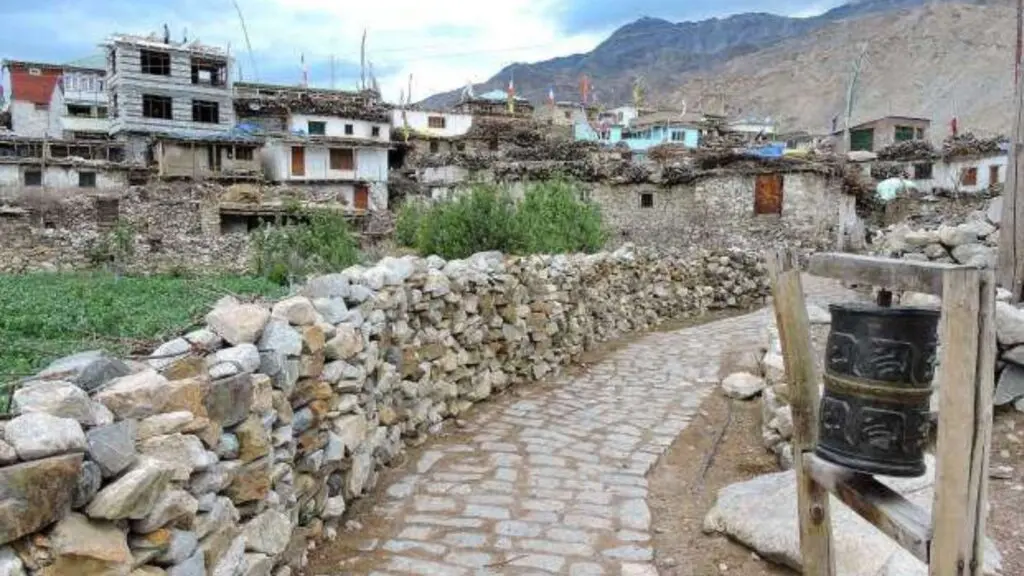
Nako's traditional houses are marvels of sustainable architecture adapted to harsh high-altitude conditions. Stone foundations provide stability, thick mud walls offer insulation, and wooden beams support roofs often covered with slate or tin. Houses typically have multiple floors - ground floor for animals, first floor for family living, and upper levels for storage and drying crops.
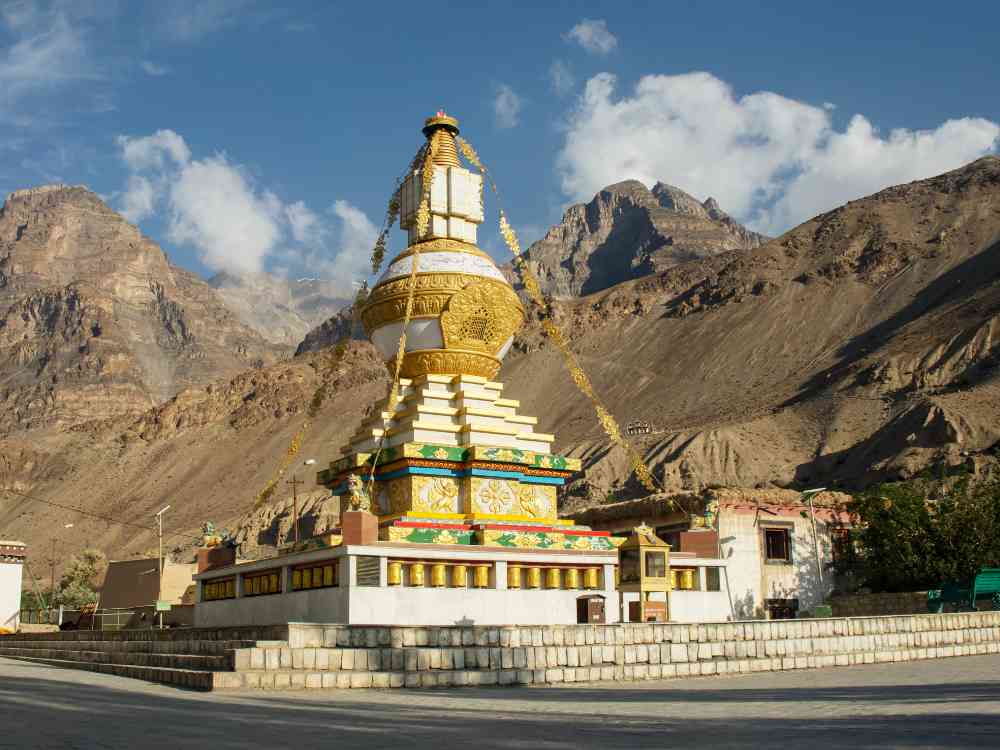
The village layout follows traditional patterns with narrow lanes winding between houses. This compact design encourages community interaction and creates windbreaks against harsh mountain weather. Chortens (stupas) and prayer wheels are strategically placed throughout the village, turning the entire settlement into a sacred space. The aesthetic of stacked houses climbing the mountainside, against a backdrop of dramatic peaks, creates one of Spiti's most iconic landscapes.
Religious Practices
Buddhism permeates every aspect of life in Nako. Most households have a small prayer room or altar where family members conduct daily rituals. Prayer flags installed on rooftops and mountain passes send blessings on the wind to all sentient beings. The cycle of prayers, festivals, and pilgrimages marks the spiritual calendar.
The monastery plays central roles beyond religious functions - it's where community decisions are discussed, festivals celebrated, and education provided. Village festivals typically involve all residents, with the monastery hosting ceremonies, communal meals, and traditional performances. These events offer visitors exceptional opportunities to witness authentic Spitian culture.
Festivals and Celebrations
Nako celebrates traditional Buddhist festivals with enthusiasm and deep spiritual significance. Losar (Tibetan New Year) in February marks the most important celebration, with families gathering, special foods prepared, and the monastery conducting elaborate ceremonies. The village comes alive with music, dance, and communal feasting.
Other important festivals include Ladarcha Fair (trade fair) in August, when villagers from surrounding areas gather for cultural exchange and commerce. Buddha Purnima (celebrating Buddha's birth, enlightenment, and passing) in May sees special prayers at the monastery. Tsechu (religious festivals) occur at different times of the year, featuring masked cham dances and sacred performances. Planning your visit during festival times offers unparalleled cultural immersion.
Best Time to Visit
Summer (June-September) - Best Season
Summer offers the most comfortable conditions for visiting Nako Village. Daytime temperatures range from 15-25°C, pleasant for exploration. The village is fully accessible from both Shimla and Manali routes. Roads are clear, all homestays operational, and village life in full swing. This is when Nako receives most travelers.
Summer is ideal for experiencing village life at its most active. Residents are busy with agricultural activities, festivals occur, and the entire community engages in summer preparations before winter. The warm weather allows for extended walks, photography sessions, and leisurely exploration. Nights remain cool but comfortable, perfect for stargazing without the bone-chilling cold of winter.
Autumn (October-November) - Harvest Season
Autumn is harvest time in Nako, offering unique cultural experiences. Villagers gather crops, process barley, and prepare for winter. The valley turns golden as vegetation changes color, creating stunning backdrops. Skies are clearest of the year, providing excellent photography conditions.
Temperatures begin dropping (5-15°C during day) but remain manageable. The village atmosphere shifts from summer activity to winter preparation - you'll witness residents stacking hay, storing food, and fortifying homes against coming snow. This is an excellent time for cultural photography and experiencing authentic village life. Accommodation options may reduce but several homestays remain open.
Winter (December-May) - Traditional Experience
Winter is challenging but offers the most authentic traditional Nako experience. The village receives heavy snow, transforming it into a magical winter landscape. Life slows to the rhythm of survival and spiritual practice. Most tourists have left, and you'll likely have the village to yourself if you manage to reach it.
However, winter access is extremely difficult. Kunzum Pass (Manali route) and potentially Maling Nallah (Shimla route) may be blocked by snow. Temperatures regularly drop below -20°C. Many homestays close. Those who brave the winter experience Nako at its most intimate - families gathered around bukharis (wood stoves), village blanketed in white, and a profound silence that's rare in the modern world. Only experienced cold-weather travelers should attempt winter visits.
| Season | Temperature | Accessibility | Cultural Experience |
|---|---|---|---|
| Summer (Jun-Sep) | 15-25°C | Fully accessible | Active village life, festivals |
| Autumn (Oct-Nov) | 5-15°C | Accessible, reducing facilities | Harvest season, golden valley |
| Winter (Dec-May) | -20 to 5°C | Limited access | Traditional winter life, solitude |
How to Reach from Kaza and Shimla
From Kaza (Within Spiti)
Nako is approximately 68 kilometers from Kaza, the main town of Spiti Valley. The journey takes 3-4 hours by road through spectacular Spiti landscapes. Shared taxis connect Kaza to Nako, but service isn't daily - it's advisable to arrange transportation in advance.
The route passes through some of Spiti's most dramatic scenery. You'll traverse Maling Nallah, where the road has been carved into a sheer cliff face with the river flowing hundreds of feet below. The vast Spiti Valley stretches before you, with remote villages perched on distant mountainsides. Keep an eye out for wildlife - blue sheep, snow leopards (rare), and Himalayan birds inhabit these valleys.
From Shimla (Kinnaur Route)
The Shimla to Nako route via Kinnaur is approximately 350 kilometers and takes 2-3 days with stops. This route is accessible year-round (weather permitting), unlike the Manali route which closes in winter. The journey follows the Sutlej River valley before climbing into high-altitude desert landscapes.
Key stops include Sarahan (home to Bhimakali Temple), Kalpa (famous for apple orchards and Kinner Kailash views), and Recong Peo (Kinnaur's main town). The road passes through beautiful Kinnauri villages showcasing distinctive architecture. This gradual ascent to Nako's altitude is preferable for those concerned about altitude sickness. Private vehicle or hired taxi is recommended for flexibility.
From Manali (Kunzum Pass Route)
The Manali to Nako route via Rohtang Pass and Kunzum Pass is approximately 230 kilometers, taking 10-12 hours. This is the most dramatic but challenging approach, crossing two high mountain passes over 13,000 feet. The route is only open from June to October when snow clears.
The journey transforms dramatically from lush Kullu Valley to arid Spiti. Key highlights include Chandratal Lake, Losar village (Spiti's northernmost settlement), and Kunzum Pass's spectacular views. Only experienced drivers should attempt this route due to narrow roads, deep drops, and potential weather issues. The scenery is among the most spectacular in all Himalayas, making the challenging drive worthwhile for many.
Public Transportation
HRTC buses connect Shimla to Kaza via Nako, but services are infrequent and don't run daily. Buses from Kaza to Nako are extremely rare. Most travelers rely on shared taxis or private vehicles. The most practical approach is arranging transportation from Kaza or Recong Peo. Book ahead during peak season when demand is high.
Homestays and Accommodation
Homestay Experience
Homestays are the primary and best accommodation option in Nako village. Local families open their homes to travelers, offering basic rooms and authentic Spitian hospitality. Staying with a family provides unparalleled insight into village life - you'll share meals, observe daily routines, and experience genuine warmth that hotels can't replicate.
Homestay rooms are simple but comfortable - typically a bed, clean bedding, and shared bathroom. What homestays lack in luxury they make up for in authenticity and warmth. Your hosts become guides to village culture, explaining customs, taking you to family fields, and introducing you to neighbors. This cultural immersion is often the highlight of travelers' Nako experiences.
Food and Meals
Homestays include home-cooked meals in the accommodation price, typically breakfast and dinner. Food is simple but nourishing - expect traditional Spitian dishes like thukpa (noodle soup), momos (dumplings), and tingmo (steamed bread). Butter tea is commonly offered, providing warmth and energy in the thin mountain air.
Dietary requirements can usually be accommodated if informed in advance. Most families serve vegetarian food. Don't expect extensive menus - you'll eat what the family eats, which varies by season and availability. However, the meals are prepared with care and love, and the communal dining experience fosters connection with your hosts.
What to Expect
Accommodation in Nako, whether homestay or hotel, is basic compared to urban standards. Electricity is available but power cuts are common. Many properties have generators that operate limited hours. Running water may be intermittent, especially in winter. Hot water is often available on demand via solar or wood-fired systems.
Internet connectivity is poor to non-existent. Mobile reception is limited and may only work in specific spots. This disconnection is part of Nako's charm - you'll escape digital noise and reconnect with what matters. Facilities vary by homestay, so ask specifics when booking. Most importantly, come with an open mind and appreciation for simple, authentic living.
Accommodation Tips
Book your homestay in advance during peak season (June-September) when demand is high. Direct contact with homestay families is better than through agencies - you'll build rapport and potentially get better rates. Carry cash as digital payments may not work. Ask about meal inclusions when booking.
If you're sensitive to cold, bring a sleeping bag liner or lightweight sleeping bag. Nights get chilly even in summer. Mosquitoes aren't a concern at Nako's altitude, so repellent isn't necessary. Do bring good socks and slippers - indoor shoes are typically removed at the door.
Things to Do in Nako Village
Village Walk and Exploration
Wandering through Nako's narrow lanes is a highlight of any visit. The village layout invites exploration - narrow stone paths wind between stacked houses, chortens appear unexpectedly, and panoramic viewpoints offer spectacular vistas. Give yourself 2-3 hours to thoroughly explore the village.
Visit the local school if interested in education in remote Himalayan regions. The children are curious and happy to interact with visitors. Consider bringing small gifts like stationery - always appreciated. Observe traditional house construction techniques, with their thick mud walls and wooden beam architecture. Stop at any of the several viewpoints around the village for photographs of Nako Lake below and surrounding peaks.
Monastery Visit
Spending time at Nako Monastery provides spiritual and cultural insights. The main prayer hall with its beautiful wall paintings and ancient thangkas is worth studying. If you visit during prayer times, maintain respectful silence and observe from the periphery unless invited closer.
Monks are generally welcoming and happy to answer questions about Buddhism and monastery life. The monastery courtyard offers excellent views and is a peaceful spot for meditation. Consider learning a few basic Buddhist prayers to participate respectfully during ceremonies. Small donations support the monastery's maintenance and are appropriate if you've enjoyed your visit.
Lake Activities
The sacred Nako Lake, though technically below the village, is intimately connected to Nako's identity. Walk down to the lake for meditation and photography. A complete circuit takes 1-2 hours and offers changing perspectives of the village above. Early morning provides the best light for reflection shots.
Respect the lake's sacred nature - maintain quiet, avoid littering, and don't use soap directly in the water. Many locals come to the lake for prayer and rituals, so maintain appropriate behavior during these moments. The frozen winter lake offers surreal photographic opportunities if you visit during cold months.
Cultural Interaction
Nako's residents are hospitable and proud of their village. Take time to engage with locals - learn about traditional farming, animal husbandry, and daily life. Many older residents have fascinating stories about Nako's history, legends about the lake, and tales of the ancient trade routes.
Consider purchasing local handicrafts directly from artisans - woven textiles, traditional jewelry, and prayer flags make meaningful souvenirs. Support local businesses by buying snacks or supplies from village shops. Every interaction in Nako has the potential to become a meaningful connection if approached with respect and genuine curiosity.
Important Travel Tips
Altitude Awareness
Nako village sits at 12,014 feet, which can cause altitude sickness. Symptoms include headache, nausea, dizziness, and shortness of breath. Acclimatize by spending 1-2 nights at lower altitudes like Kaza or Kalpa before proceeding to Nako.
Stay hydrated by drinking plenty of water. Avoid alcohol and heavy meals for the first 1-2 days. Take it slow - Nako village can be explored at a leisurely pace. Descend immediately if symptoms worsen. The thin air means you'll tire more easily than at lower altitudes - respect your body's signals and don't overexert.
Responsible Travel
Nako is a traditional community with deep cultural values. Dress modestly, especially when visiting the monastery. Ask permission before photographing people, particularly during religious activities. Remove shoes before entering homes and temples.
Conserve water, which is precious in high-altitude desert. Carry your trash back with you. Respect local customs and traditions - if unsure about appropriate behavior, ask. Support the local economy by purchasing directly from village artisans and shops. Nako welcomes visitors who show genuine respect for their culture and way of life.
Packing Essentials
Regardless of season, pack warm layers - nights are cold year-round. Good quality walking shoes are essential for village lanes and lake walks. Sunscreen and sunglasses protect against strong UV at high altitude. A headlamp is useful during power cuts.
Carry basic medications including altitude sickness remedies, pain relievers, and stomach remedies. Toiletries should include hand sanitizer and moisturizer - the dry air causes skin dryness. Cash is essential - ATMs don't exist in Nako. Power bank keeps your phone charged during outages. Most importantly, pack an open mind and readiness for simple, authentic living.
Conclusion
Nako Village represents the essence of Himalayan living - resilient communities, deep spiritual traditions, and harmony with harsh but beautiful environments. Unlike destinations where tourism has transformed local culture, Nako maintains its authentic character, offering visitors a rare window into centuries-old ways of life that continue thriving today.
Whether you come for the spectacular lake views, the spiritual atmosphere of the monastery, the warmth of homestay families, or simply to escape the modern world, Nako delivers an experience that stays with you. The village teaches lessons in simplicity, community, and finding contentment that feel increasingly relevant in our complex, fast-paced lives.
Planning to visit Nako Lake and its sacred waters extends your experience. Consider combining Nako with an 8-day Spiti Valley trip, or explore more homestays across Spiti Valley for your journey.
Location
Frequently Asked Questions
Q1.Where is Nako Village located?
Q2.What is the altitude of Nako Village?
Q3.How far is Nako from Kaza?
Q4.What is Nako Village famous for?
Q5.What can we do in Nako Village?
Q6.Is there monastery in Nako?
Q7.Are there homestays in Nako Village?
Q8.How is the village life experience?
Q9.What facilities are available in Nako?
Q10.How to reach Nako Village?
Recommended For You
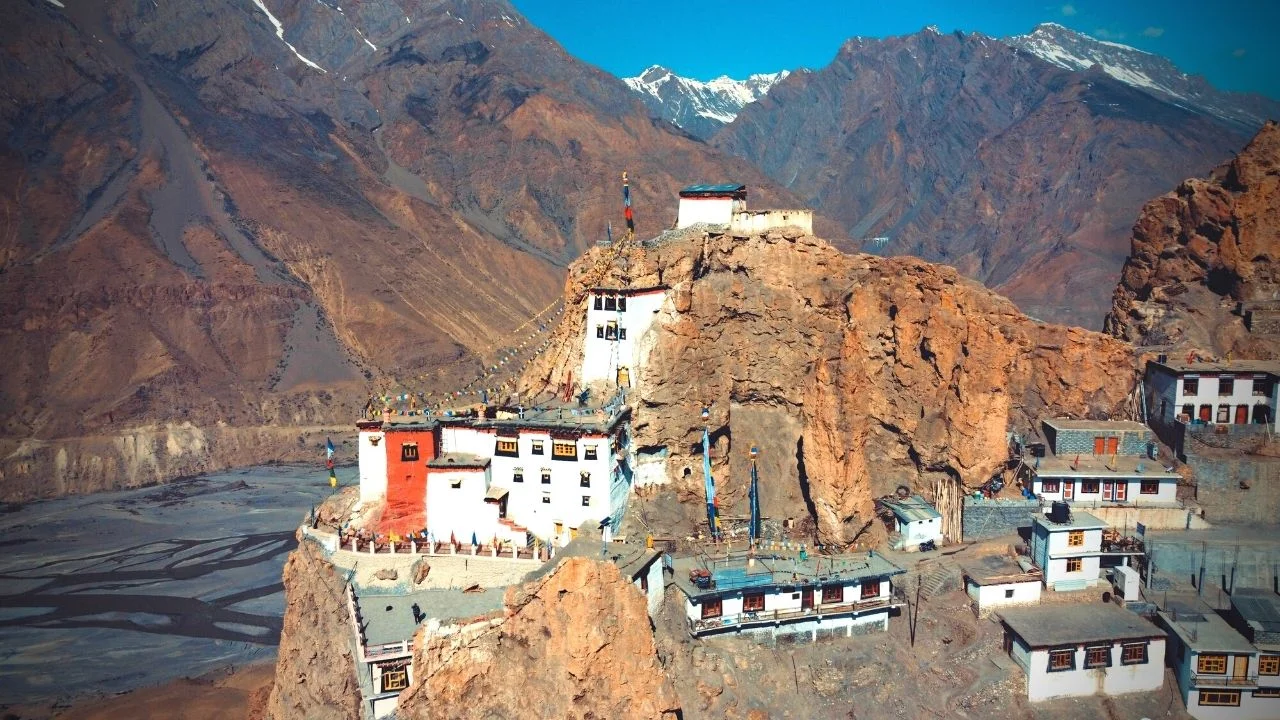
Dhankar Village Spiti: Monastery, Lake & Stay Options
Explore Dhankar Village in Spiti Valley. Visit ancient monastery, Dhankar Lake, homestays, trekking & travel guide.
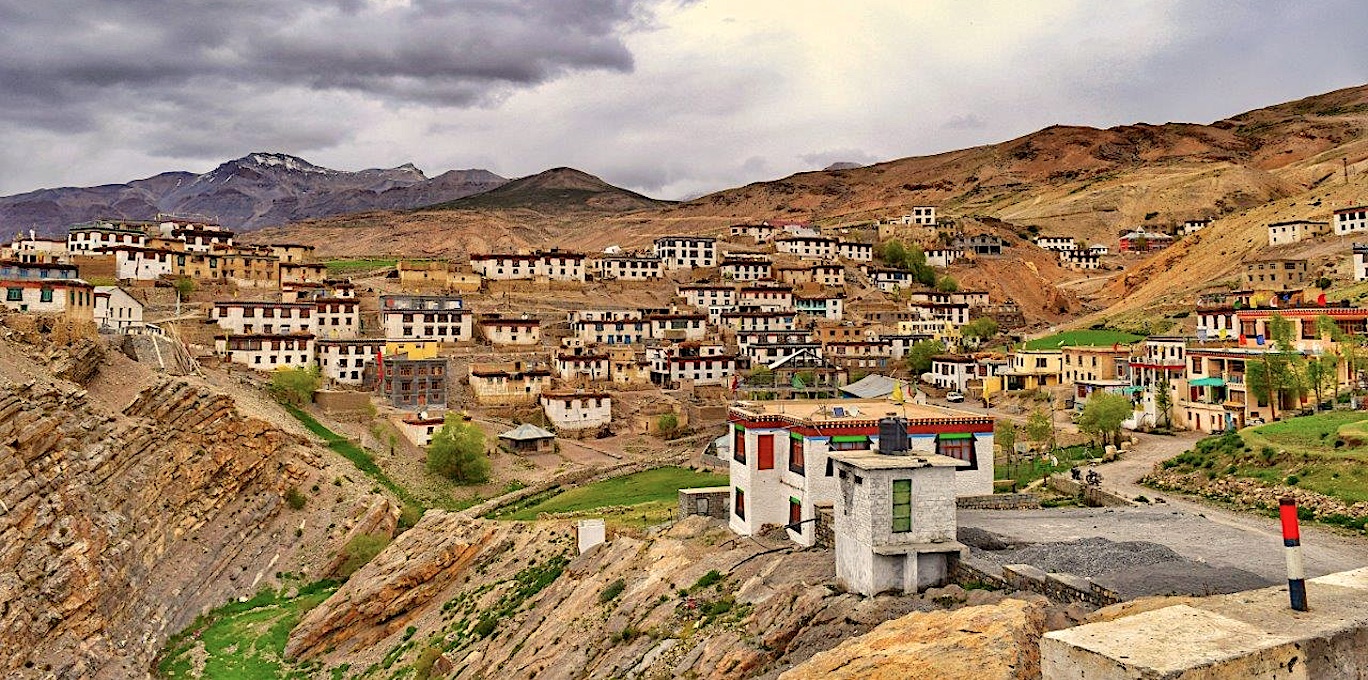
Kibber Village Spiti: Altitude, Weather, Homestays & Route
Planning Kibber Village in Spiti? Get altitude details, best season, route from Kaza, weather tips, homestay guidance, and wildlife-focused travel advice.
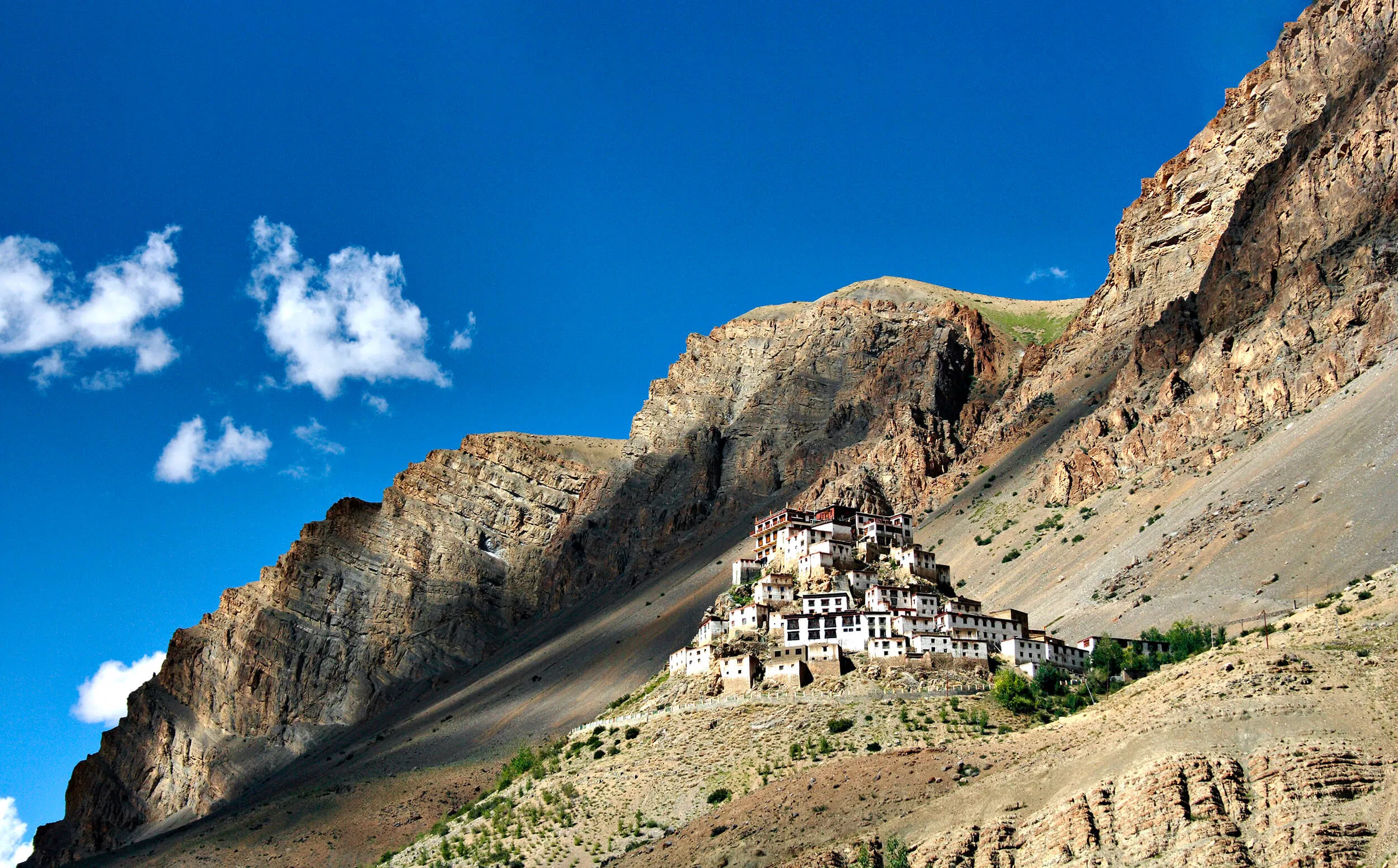
Spiti Valley in Summer: Complete Travel Guide, Itinerary & Tips 2026
Discover Spiti Valley in summer with complete travel guide featuring 7-10 day itineraries, trekking routes, monasteries, Chandratal Lake, and essential tips for 2026.
Never Miss an Adventure
Get the latest trekking guides, travel tips, and exclusive offers delivered straight to your inbox.
