
Puga Valley Ladakh: Hot Springs, Route Map & Travel Tips

Neha Kapoor
January 28, 2026
Explore Puga Valley Ladakh with hot springs guide, route planning from Leh, best visit season, permits, altitude safety tips, and nearby places to combine.
Puga Valley Ladakh: Hot Springs, Route and Travel Guide
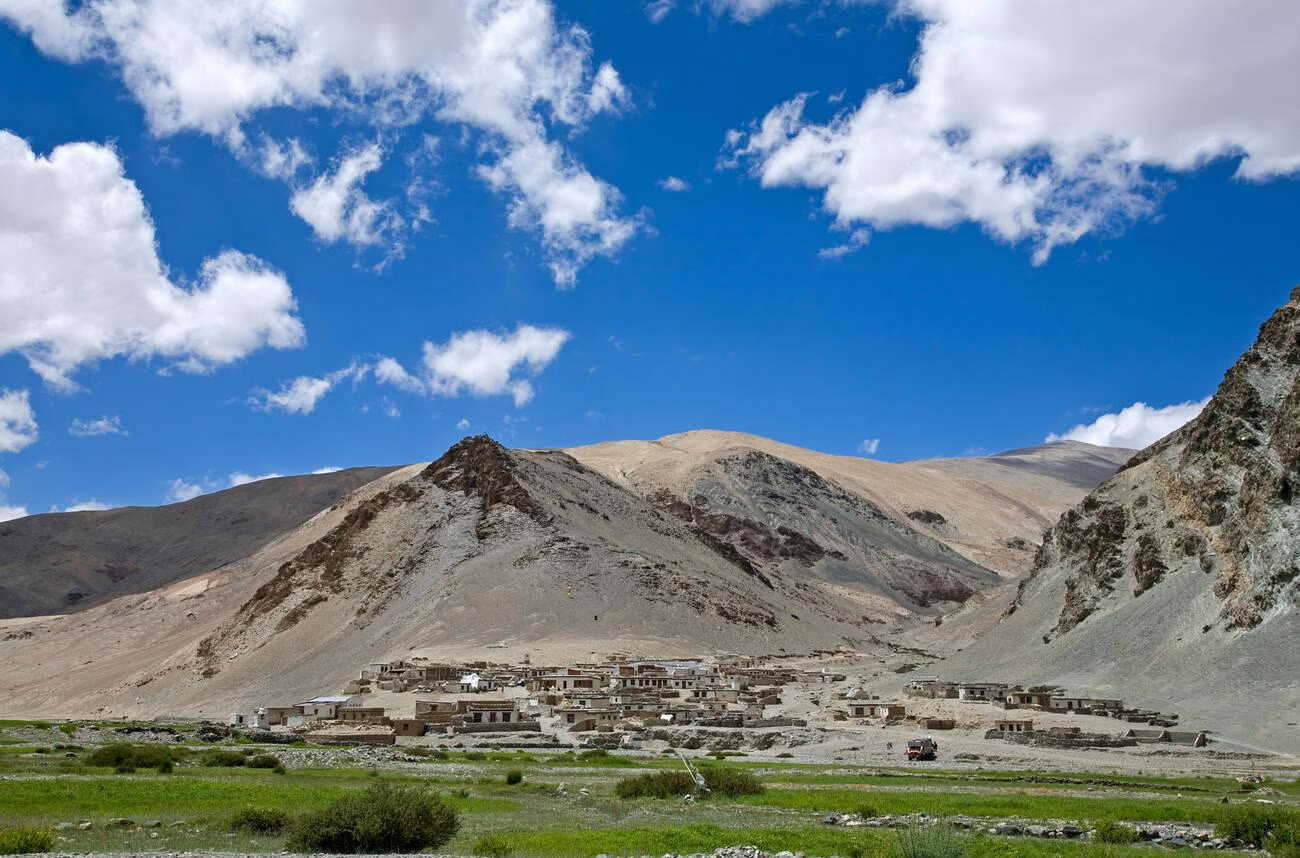
Puga Valley Ladakh is one of the most unusual high-altitude landscapes in the region, known for steaming geothermal vents, sulfur deposits, open grassland stretches, and a raw Changthang atmosphere. Unlike mainstream Ladakh stops built around monasteries or big market towns, Puga is a terrain experience. The appeal is in its active earth features and remote setting.
Most travelers visit Puga while planning longer circuits toward Tso Moriri or other southeastern Ladakh routes. This guide explains what makes Puga special, where it lies, how to reach it from Leh, when to visit, what to pack, and how to travel responsibly in a fragile geothermal zone.
Quick Facts About Puga Valley
| Detail | Information | Planning Use |
|---|---|---|
| Region | Changthang, Ladakh | Helps route planning with high-altitude circuits |
| Altitude | Approx. 4,300-4,400 m | Acclimatization is essential before visit |
| Famous For | Hot springs, sulfur vents, geothermal activity | Core reason to visit and photograph |
| Best Season | Late spring to early autumn | Road access and weather are generally better |
Why Puga Valley Is Unique in Ladakh
Puga is often described as Ladakh’s geothermal zone because the ground here shows active thermal behavior: warm water seepage, steam, and mineral-rich patches that color the surface. This creates a visual contrast with the cold, dry high-altitude environment around it. In the same frame, you may see frosty wind, barren mountain slopes, and steaming earth.
From a travel perspective, this is not a commercial resort-style hot spring destination. It is a remote natural region where conditions are basic and infrastructure is limited. Travelers who arrive with realistic expectations enjoy the valley far more than those expecting developed bathing facilities.
Puga Valley Hot Springs Guide
Hot spring zones in Puga are linked to sulfur-rich geothermal features. Water temperature can vary by point, season, and flow, and not every visible pool is safe for direct contact. Some sections are too hot or unstable around edges.
- Do not step into unknown pools without local guidance.
- Avoid walking on fragile crust around vents.
- Keep children close and away from steaming fissures.
- Do not use soaps, chemicals, or detergents in natural water zones.
Some travelers believe sulfur springs support relief for skin and joint discomfort, but this should not replace medical guidance. Treat the springs as a natural geological site first, not a guaranteed therapy destination.
Camping and Trekking Around Puga Valley
Puga is often included in expedition-style Ladakh travel, including overland loops, bike circuits, and remote camping journeys. However, camping conditions are highly weather-dependent and require self-sufficiency. Wind, cold nights, and sudden weather shifts are common even in travel season.
| Activity | Feasibility | What You Need |
|---|---|---|
| Short exploration walk | High | Good shoes, layered clothing, water |
| Remote camping | Moderate (weather dependent) | Warm sleep setup, food, local guidance |
| Trek extensions | Variable by route and permits | Route clarity, acclimatization, safety buffer |
If you are not experienced in high-altitude camping, use registered local operators and avoid unsupported overnight plans.
How to Reach Puga Valley from Leh
The most common approach is by road from Leh via the Upshi-Nyoma side corridors and onward toward the Puga region depending on your broader itinerary. Road quality can change quickly with weather and maintenance updates, so route checks before departure are necessary.
Travelers often combine Puga with Leh to Tso Moriri bike trip planning. Distances in Ladakh can look manageable on maps but consume longer driving time due to altitude, terrain, and checkpoints.
| Route Factor | Typical Pattern | Advice |
|---|---|---|
| Leh to Puga distance | Roughly long-day overland range | Start early and keep daylight buffer |
| Fuel access | Limited outside key hubs | Top up in Leh and carry reserve if needed |
| Transport mode | SUV, taxi, bike expeditions | High ground clearance preferred |
Permits and Regulations
Puga falls in sensitive high-altitude zones where permit requirements may apply depending on your nationality and selected route sectors. Permit rules can be revised, so do not rely on outdated blog screenshots or old forms. Always use current official channels and latest local instructions in Leh before departure.
For route planning, check permit context through permits for Ladakh road trip. Keep multiple photocopies if checkpoints ask for submissions.
Best Time to Visit Puga Valley Ladakh
Most travelers choose late May to September for relatively better road access. June to August usually offers stable overland movement windows, though mountain weather can still change without warning. Shoulder months can be colder and may involve route uncertainty.
- May to June: season opens, cold but scenic.
- July to August: active travel window, better connectivity.
- September: clearer light and lower rush in some periods.
- Winter: severe cold, route challenges, not ideal for most travelers.
Before any Ladakh high-altitude plan, review best time to visit Ladakh and acclimatization strategy.
Health and Safety at High Altitude
Puga Valley’s elevation means oxygen levels are lower than lowland travel standards. Even fit travelers can feel fatigue, headache, or short breath. Keep your first 24-48 hours in Leh light and avoid immediate aggressive itineraries.
- Hydrate steadily and avoid overexertion on arrival day.
- Watch for AMS signs and descend if symptoms worsen.
- Carry basic medicine, sun protection, and windproof layers.
- Network coverage may be weak; share route plan in advance.
For detailed preparedness, combine this with acute mountain sickness in Ladakh guidance before departure.
Nearby Places to Combine With Puga
Puga is best visited as part of a broader southeastern Ladakh circuit instead of a single isolated stop. Strong combinations include high-altitude lakes, hot spring zones, and remote villages.
| Nearby Destination | Why Combine | Trip Style |
|---|---|---|
| Tso Kar Lake Ladakh | Salt-lake landscape and migratory bird zones | Nature and photography circuit |
| Chumathang Hot Spring Ladakh | Alternative geothermal context | Hot-spring-themed overland route |
| Hanle Village Ladakh | Remote landscape and night-sky appeal | Offbeat high-altitude extension |
Final Take
Puga Valley Ladakh is one of the region’s most distinctive geological experiences, ideal for travelers who value raw landscapes, offbeat routes, and science-meets-nature settings. Plan with acclimatization, permit clarity, weather awareness, and realistic infrastructure expectations. If approached responsibly, Puga can become a major highlight of a deeper Changthang journey.
Suggested One-Day Route Flow from Leh Side
If you are planning a fast overland movement, treat Puga as a high-value stop within a larger route rather than trying to rush multiple distant points without buffer. A practical plan starts before sunrise from Leh, includes controlled breaks for altitude adjustment, and prioritizes daylight driving for return or onward stay.
| Time Window | Plan | Outcome |
|---|---|---|
| Early Morning | Depart Leh with fuel and essentials ready | Better daylight margin for high-altitude roads |
| Mid-Day | Puga geothermal exploration and short walk | Core destination covered without overexertion |
| Late Afternoon | Move toward planned stay point | Avoids risky late-night remote driving |
Travelers extending the trip usually add lake sectors or remote villages on day two, depending on permits and weather.
Packing Checklist for Puga Valley
Packing mistakes create most avoidable problems in this region. Even in summer, cold winds and quick temperature drops are normal. Keep your kit practical and layered rather than heavy but unfocused.
- Windproof and insulated outer layer
- Thermal inner layer and quick-dry base wear
- UV sunglasses, sunscreen, lip balm
- Reusable water bottles and high-energy snacks
- Offline maps and power bank
- Basic first-aid and personal medication
- Valid ID, permits, and multiple photocopies
If you are riding a bike, add puncture tools, spare cables, and emergency repair basics. Weather delays can stretch route time beyond initial estimates.
Common Mistakes to Avoid in Puga Valley
The most frequent error is poor acclimatization. Travelers often attempt deep-route movement too soon after arriving in Leh, which increases AMS risk and reduces trip quality. Spend time acclimatizing before pushing toward Puga and nearby high-altitude sectors.
Another mistake is treating geothermal pools casually. Do not test random vents or stand on unstable crust around steam outlets. Follow local advice and keep a safety margin from active features.
Finally, avoid overpacked itineraries that demand long driving after sunset. Remote Ladakh roads are safer with daylight visibility, especially when weather and terrain shift unexpectedly.
Location
Frequently Asked Questions
Q1.Where is Puga Valley located in Ladakh?
Q2.What is Puga Valley famous for?
Q3.How can I reach Puga Valley from Leh?
Q4.What is the best time to visit Puga Valley?
Q5.Do I need permits for Puga Valley?
Q6.Is accommodation available in Puga Valley?
Q7.Are Puga Valley hot springs safe for bathing?
Q8.What is the altitude of Puga Valley?
Recommended For You
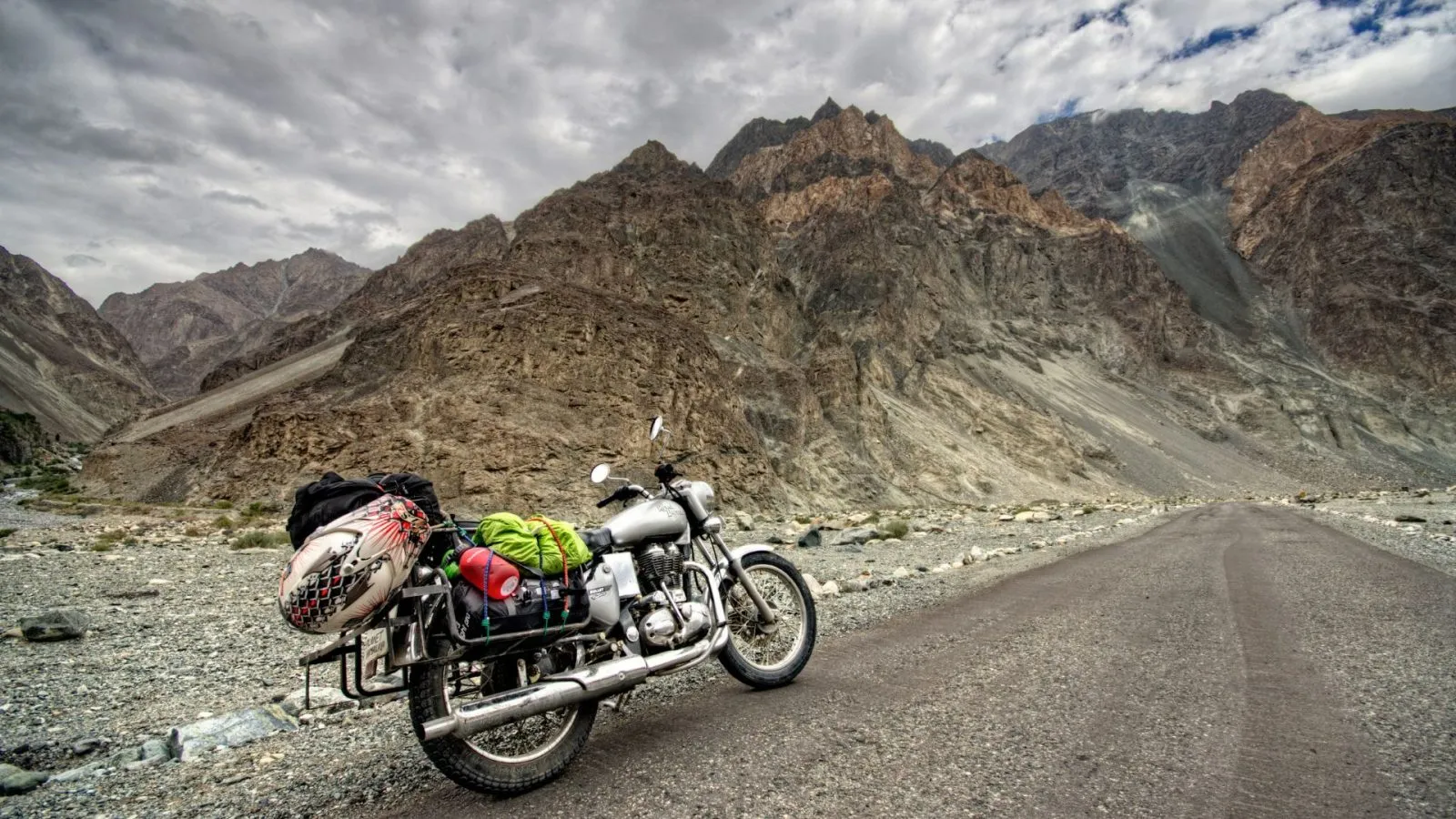
Ladakh Road Trip Permits: Complete Guide (Online Apply)
Ladakh road trip permits guide covering online application, documents, route-wise access, fee components, and practical checkpoint rules.
Acute Mountain Sickness in Ladakh: Prevention
Complete guide to Acute Mountain Sickness in Ladakh. Learn symptoms, prevention, medicines, acclimatization tips & safety measures for high-altitude travel.
Best Time to Visit Ladakh: Season, Road Openings & Temperature
Find the best time to visit Ladakh with season-wise weather, road opening windows, monthly travel insights, and practical tips for road trips, trekking, and Chadar plans.
Never Miss an Adventure
Get the latest trekking guides, travel tips, and exclusive offers delivered straight to your inbox.
