
Punakha Dzong Guide: Best Time, History, Entry Tips, and Practical Bhutan Itinerary

Priya Mehta
February 25, 2026
Plan Punakha Dzong with practical guidance on history, architecture, timing, entry etiquette, and route integration for a balanced Bhutan itinerary.
Why Punakha Dzong Is a Must-Visit in Bhutan
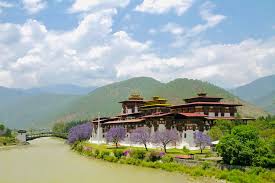
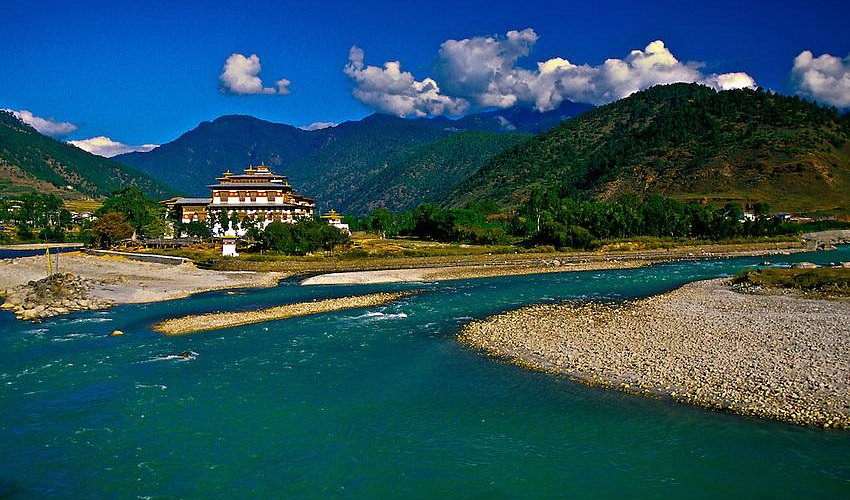
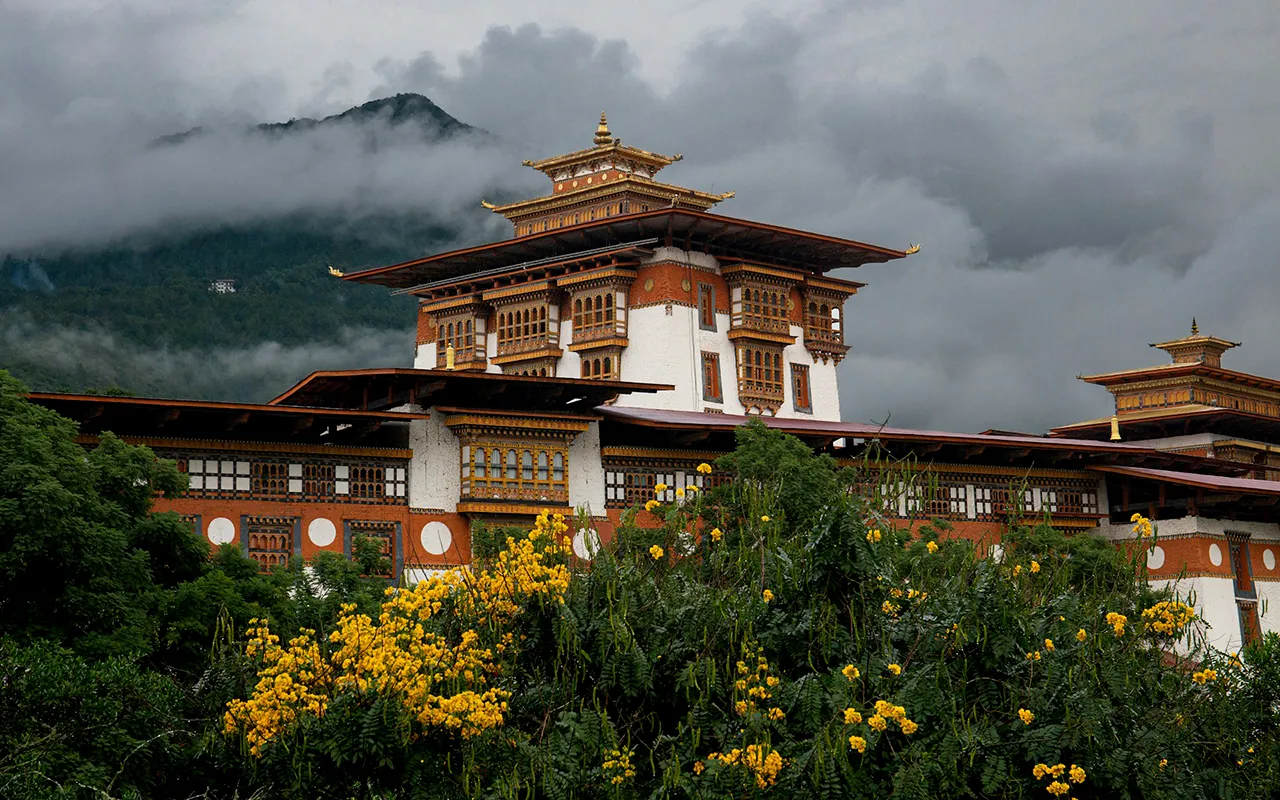
Punakha Dzong is one of Bhutan’s most iconic landmarks, not only for architecture but for political and spiritual significance. Located at the confluence of two rivers, the structure combines strategic placement, ceremonial value, and visual grandeur in one site. Travelers often visit briefly for photographs, but the monument deserves more intentional time for context, observation, and respectful exploration.
If you are planning a Bhutan route, combine this guide with wider state context from Bhutan culture, seasonal timing support via best time to visit Bhutan, and route-level destination selection from top Bhutan places. For a related site-specific comparison, use Punakha Dzong Bhutan notes to sharpen your planning.
Historical and Cultural Importance
Punakha Dzong has served as a central institution in Bhutanese governance and religion for centuries. It is associated with key events in the country’s history and remains important for major ceremonial functions. The dzong’s dual role as administrative and monastic space represents Bhutan’s integrated cultural model.
Understanding this context transforms the visit. Instead of seeing only a photogenic monument, you begin to read the site as a living institution connected to Bhutanese identity, continuity, and ritual practice.
Architecture and What to Observe On-Site
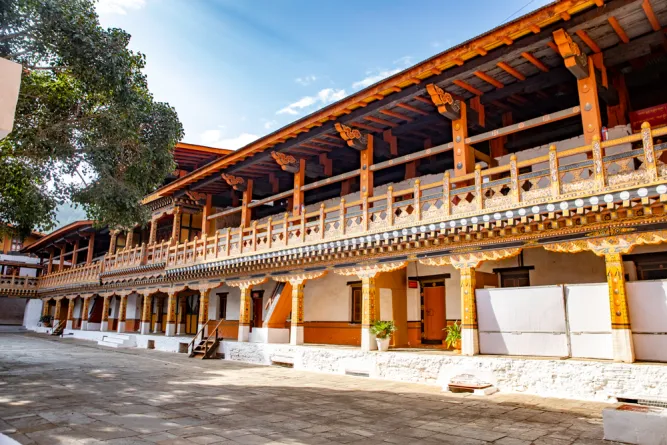
The dzong showcases classic Bhutanese architectural grammar: layered whitewashed walls, intricately painted wooden windows, richly detailed courtyards, and controlled spatial transitions between public and sacred sections. Observe how color, geometry, and material contrast create visual balance.
Take time to study entry points, interior courtyard framing, and river-facing edges. The monument is best appreciated slowly, with attention to details rather than rapid movement.
Best Time to Visit Punakha Dzong
Spring and autumn are typically preferred for comfortable weather and clear visual conditions. Seasonal floral activity can add unique visual value around the dzong landscape. Monsoon visits can still be atmospheric, but travelers should keep plans weather-flexible. Winter can be peaceful for lower-crowd travel with appropriate layering.
For photography, morning and late-afternoon windows usually provide better texture and depth on the structure’s surfaces. Midday light can be harsh in open courtyard spaces.
Entry, Etiquette, and Practical Visitor Behavior
Punakha Dzong is a sacred and active space, so respectful behavior is essential. Dress modestly, follow local instructions, maintain calm voice levels, and avoid intrusive photography in sensitive areas. Rules may vary by section and ceremonial activity.
Always follow your guide or local coordination advice regarding access timing and restricted zones. Responsible behavior protects both your experience and the integrity of the site.
How to Reach and Include Punakha in a Bhutan Itinerary
Punakha is usually integrated into multi-stop Bhutan circuits with smooth road-based movement from major travel bases. The most practical approach is to pair Punakha with one nearby valley stop and one high-value cultural extension, rather than combining many distant points in one day.
A focused route can include arrival day orientation, one full dzong-and-nearby exploration day, and one buffer day for weather or transfer changes. This structure gives better depth and lower stress.
Suggested 2-Day Punakha Block
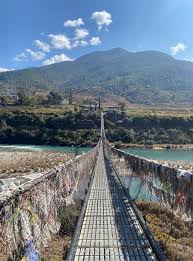
Day 1: Arrival, local acclimatization, evening landscape viewpoint.
Day 2: Punakha Dzong detailed visit, nearby cultural stop, and relaxed river-valley session.
This format is highly effective for travelers balancing cultural interest with scenic pacing.
Budget and Travel Style Notes
Punakha can fit structured guided itineraries across travel budgets. The main cost differences usually come from accommodation category and transfer comfort rather than site complexity. For better value, prioritize route efficiency and avoid unnecessary hotel switches.
Travelers focused on cultural learning may benefit more from guided interpretation than from adding extra destination hops. Depth often outperforms distance in Bhutan itineraries.
Common Mistakes to Avoid
Rushing through the dzong as a quick photo stop is the most common mistake. Others include poor weather timing assumptions, inadequate dress planning for temple etiquette, and stacking too many same-day transfers. Keep your plan focused and respectful.
How to Read Punakha Dzong Beyond Surface Beauty
Many visitors admire Punakha Dzong visually but miss the deeper planning intelligence embedded in its structure. Observe how rivers, elevation, and built mass interact with each other. Notice how courtyards transition from open public movement to more spiritually focused zones. This layered reading makes the visit richer and helps you understand why the dzong is considered a landmark of governance and sacred continuity.
A slower second pass through key sections often reveals details that are invisible in first-round sightseeing. If time allows, revisit one courtyard and one exterior perspective before leaving.
Punakha in Multi-Day Bhutan Circuits
Punakha usually performs best when it is not squeezed between two long transfer days. Give it at least one dedicated day block. If your itinerary includes additional dzongs, avoid comparing them only by visual scale. Each has different context and ceremonial relevance. Treat Punakha as one core chapter in a broader Bhutan narrative, not as a single-photo stop.
In group travel, build clear regroup points and time windows inside your plan so visits stay calm and organized.
Respectful and Practical On-Site Execution
Dress with cultural sensitivity, follow guide instructions, and avoid rushed behavior in sacred sections. Keep hydration and light layering prepared because weather and exposure can shift through the day. If you plan photography, define a few intentional frames rather than shooting continuously. Focused capture plus respectful movement gives better results and preserves the quiet dignity of the site.
Preparing for High-Quality Heritage Visits
A high-quality heritage visit starts before arrival. Read basic history, understand site etiquette, and decide what you want to focus on: architecture, ritual context, photography, or comparative dzong study. Entering with intent improves both observation and retention.
At Punakha Dzong, pacing is crucial. Instead of moving continuously, stop at selected points and observe details deliberately. This approach makes even a short visit more meaningful than a longer but rushed walkthrough.
If your Bhutan route includes multiple heritage sites, use Punakha as your benchmark for disciplined exploration. The habits you build here—respectful timing, focused observation, and contextual understanding—improve the quality of every subsequent site visit.
Approached with context and respect, Punakha Dzong offers not just visual beauty but one of Bhutan’s strongest lessons in cultural continuity and architectural identity.
To get the most from Punakha Dzong, end your visit with a short reflection pass: what did you learn about Bhutanese architecture, governance history, and sacred-space etiquette from this one site? This post-visit reflection improves retention and makes the rest of your Bhutan journey more coherent. Travelers who practice this method often report better cultural understanding at subsequent monasteries and dzongs. In heritage travel, interpretation quality matters as much as itinerary design. Punakha is an ideal place to practice this deeper, context-led way of visiting.
Even a brief additional pause for architecture study can greatly improve how meaningful and memorable your Punakha Dzong visit feels.
Give yourself enough quiet time on-site so the monument is experienced as living heritage, not just a scenic viewpoint.
Arrive early, observe slowly, and leave with context.
Conclusion
Punakha Dzong is one of Bhutan’s most meaningful heritage experiences when visited with context and pace. Plan for architecture observation, cultural understanding, and respectful on-site behavior. With a focused itinerary and right timing, Punakha Dzong can become a central highlight of your Bhutan journey rather than a short checklist stop.
Location
Frequently Asked Questions
Q1.Why is Punakha Dzong important?
Q2.When is the best time to visit Punakha Dzong?
Q3.How much time should I spend at Punakha Dzong?
Q4.Are there etiquette rules for visiting Punakha Dzong?
Q5.Can Punakha Dzong be part of a short Bhutan trip?
Recommended For You
Thimphu Bhutan: Complete Travel Guide and Top Places
Plan your Thimphu Bhutan trip with top attractions, best season, India access routes, local transport, stay options, and practical sightseeing tips.
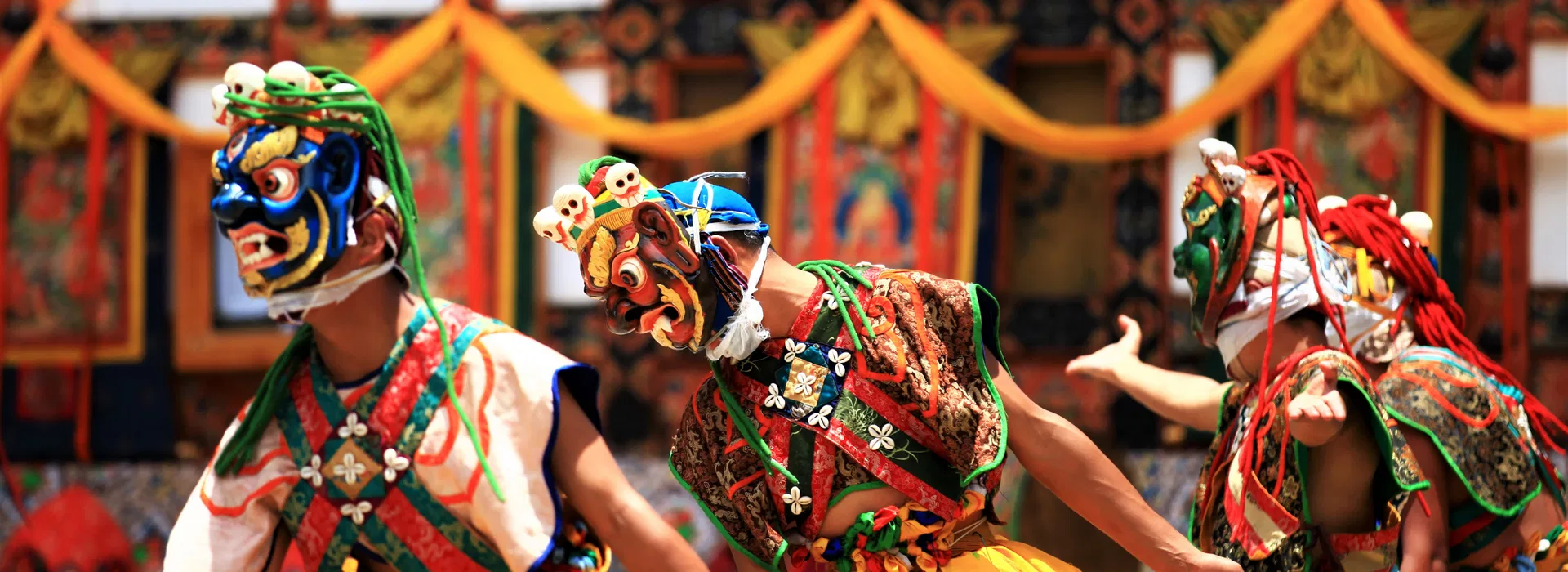
Bhutan Festivals: Tsechu Dates, Monasteries & Cultural Experiences
Experience Bhutan's vibrant festivals: Tsechu, Paro, Thimphu & Punakha celebrations. Complete guide to dates, masked dances, Cham performances & cultural experiences.
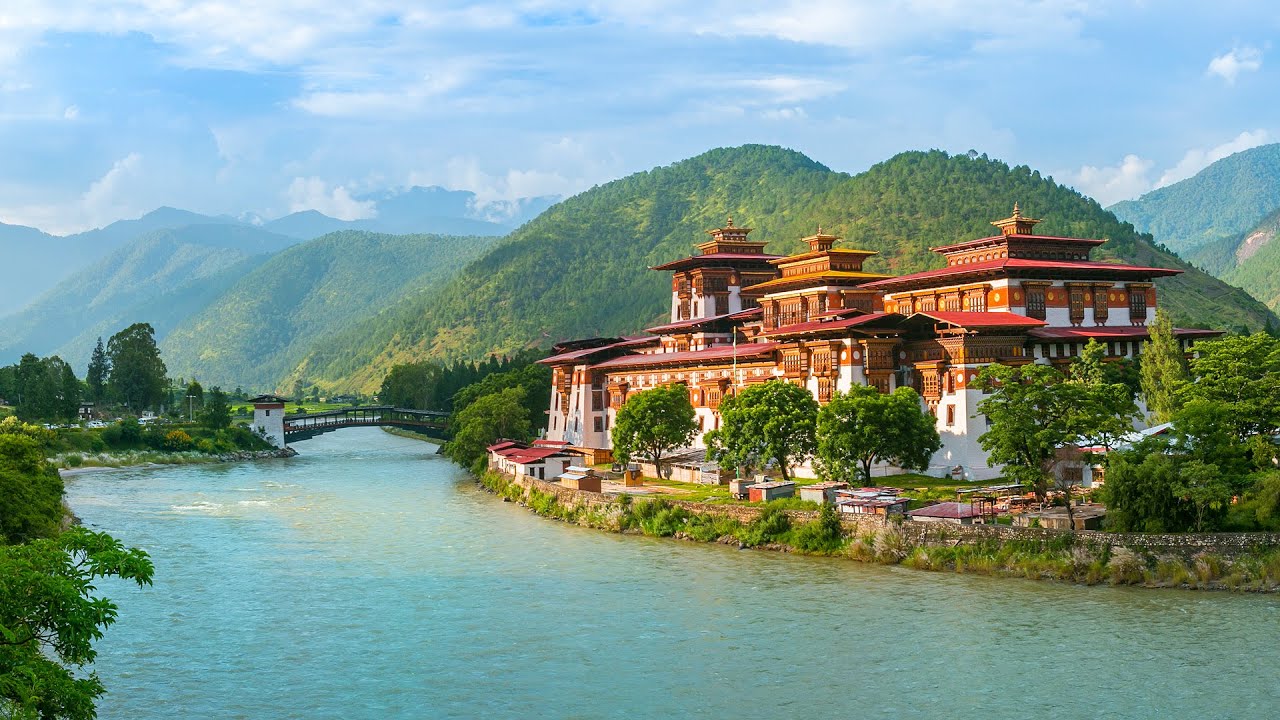
Best Time to Visit Bhutan: Season Guide and Travel Tips
Plan your Bhutan trip with season-wise timing, route strategy, and practical travel tips for smoother and more meaningful journeys.
Never Miss an Adventure
Get the latest trekking guides, travel tips, and exclusive offers delivered straight to your inbox.
