

Sakteng Wildlife Sanctuary: Permits, Trek and Wildlife
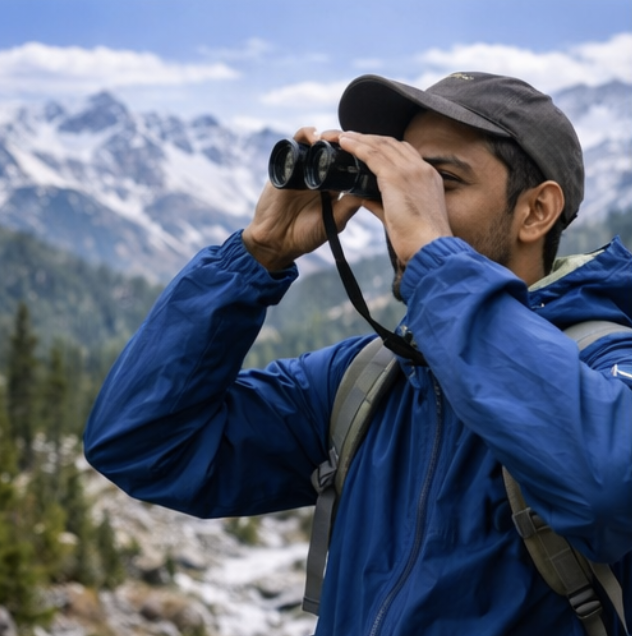
Rohit Verma
February 22, 2026
Sakteng Wildlife Sanctuary guide with location, wildlife focus, Migoi legend context, permit planning, trekking tips, and best seasonal travel strategy.
Introduction: Bhutan's Remote Sanctuary with a Mythic Reputation
Sakteng Wildlife Sanctuary in eastern Bhutan is one of the country's most intriguing protected landscapes because it combines high-altitude biodiversity with strong local folklore, including the widely known Migoi (Yeti) narrative. For travelers, the sanctuary is less about mainstream sightseeing and more about remote nature immersion, culture-linked trekking, and slow exploration in a region still outside mass-tour circuits.
Located in Trashigang district, Sakteng is ecologically important and culturally distinct due to Brokpa communities and mountain livelihoods that have evolved in isolation-rich terrain. The sanctuary's appeal is strongest for wildlife enthusiasts, trekkers, and travelers seeking eastern Bhutan depth beyond standard west-Bhutan highlights.
This guide covers location context, biodiversity, Yeti folklore, permits, trekking logistics, best seasons, and realistic trip planning. For broader Bhutan routing, pair this with treks in Bhutan, Bhutan in November, and best tourist places in Bhutan.

Where Is Sakteng Wildlife Sanctuary?
Sakteng Wildlife Sanctuary lies in eastern Bhutan's Trashigang region and spans highland ecosystems with varied elevation zones. The terrain includes steep ridges, forest corridors, alpine meadows, and settlement pockets linked with pastoral traditions. This geographical complexity supports notable species diversity and also makes travel slower and more weather-dependent.
Compared with west-Bhutan circuits, access to Sakteng takes more time and planning. That is exactly why the sanctuary still feels relatively untouched and rewarding for serious nature travel.
Geographic characteristics
- Eastern Himalayan ecological transition zone
- Multi-elevation habitat profile
- Rugged terrain with restricted high-speed access
- Community-linked landscape use in select areas
Wildlife and Biodiversity Highlights
Sakteng is recognized for ecologically rich habitat supporting mammals, birds, and highland vegetation communities. Sightings depend heavily on season, route, weather, and guide expertise, so expectations should remain realistic and conservation-focused.
Common biodiversity interest areas
- Mammals: Habitat associated with red panda and other Himalayan fauna.
- Birdlife: Strong potential for high-altitude and forest-edge bird observation.
- Flora: Diverse mountain vegetation, including medicinal and alpine plant zones.
- Landscape ecology: Habitat mosaics influenced by altitude and climate gradients.
Wildlife travel in Sakteng works best when paced slowly with local guides who understand seasonal movement and terrain behavior. Fast itineraries reduce both safety and observation quality.
| Theme | What to Expect | Traveler Tip |
|---|---|---|
| Wildlife viewing | Low-density, patience-based sightings | Prioritize quiet trail behavior |
| Birding | Better in stable weather windows | Start early with binocular prep |
| Landscape experience | High scenic payoff in clear conditions | Keep weather buffer days |
The Migoi (Yeti) Legend and Cultural Context
Sakteng is often associated with Migoi folklore, a powerful local narrative that has become part of the sanctuary's broader identity. For travelers, the important point is not proving myths but understanding how local belief systems shape conservation awareness and place-based storytelling.
When guides discuss Migoi traditions, treat the topic with cultural respect. Folklore in mountain societies often carries ecological memory, territorial caution, and ethical codes related to landscape use. In that sense, the Yeti legend is part of cultural heritage as much as tourism curiosity.
Trekking in and Around Sakteng
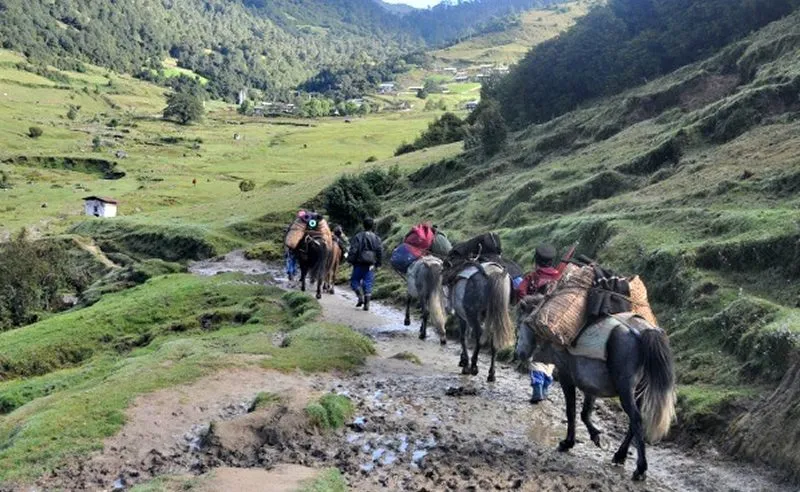
Trekking routes linked with Sakteng can range from moderate to demanding depending on itinerary depth, elevation, and weather. Trails pass through remote mountain environments and may include village interactions in culturally sensitive zones.
Trek planning priorities
- Use registered local support and route guidance.
- Build acclimatization and weather buffers.
- Carry reliable layers, rain protection, and medical basics.
- Avoid rigid schedules in unstable mountain conditions.
Remote trekking in eastern Bhutan rewards patience and preparation. It is not suitable for rushed checklist travel.
Permits and Access Requirements
Travel to sensitive Bhutan regions generally follows permit-based procedures managed through official tourism channels and registered operators. Requirements can change, so always verify current rules before finalizing plans.
- Advance permit coordination is recommended.
- Use authorized operator guidance for compliance.
- Keep identity and travel documents organized.
- Respect route restrictions and conservation boundaries.
Do not rely on outdated forum posts for permit rules. Officially updated guidance is essential for remote-area travel.
Best Time to Visit Sakteng Wildlife Sanctuary
Season choice affects trail condition, visibility, and overall comfort. Spring and autumn windows are usually preferred for trekking and wildlife-focused travel in the eastern Himalaya.
- Spring: Good ecological activity and landscape transitions.
- Autumn: Clear mountain views and stable trekking periods.
- Monsoon: Greater risk of disruption and difficult trail conditions.
- Deep winter: Harsh weather and higher logistical complexity.
If you are short on time, choose a season with better predictability and keep at least one backup buffer day in your plan.
Responsible Travel and Conservation Behavior
- Follow leave-no-trace principles in all trek sections.
- Avoid loud movement in wildlife-sensitive zones.
- Do not approach or feed wild animals.
- Respect community areas and local cultural norms.
- Carry waste out where disposal systems are limited.
In fragile mountain sanctuaries, visitor behavior directly affects habitat quality and local acceptance of tourism.
Sample 5-Day Sakteng-Focused Nature Plan
| Day | Focus | Notes |
|---|---|---|
| Day 1 | Arrival and local orientation | Permit and route review |
| Day 2 | Trek and habitat familiarization | Pace for acclimatization |
| Day 3 | Wildlife and landscape observation | Early start recommended |
| Day 4 | Community and ecology context | Culturally respectful interactions |
| Day 5 | Buffer and return movement | Weather flexibility slot |
Field Planning for Wildlife-Focused Travelers
Wildlife travel in Sakteng should be planned with field discipline, not casual sightseeing assumptions. The sanctuary is remote and habitat conditions can change quickly with weather, elevation, and seasonal movement. Travelers who prepare with route flexibility, gear reliability, and observation patience get better outcomes and safer journeys. Start by setting realistic goals: habitat understanding, responsible tracking, and landscape immersion rather than guaranteed sightings.
Pack for layered climate: base warmth, wind protection, and rain resilience. Keep optics ready but secure. Use waterproof storage for documents and electronics. Early starts are usually best for both wildlife activity and walking comfort. Afternoon windows can still be productive for landscape interpretation, but avoid overextending in uncertain weather.
Guide selection is a critical success factor. Local knowledge helps with route safety, cultural etiquette, and ecological interpretation that no map app can provide. Confirm communication expectations in advance, including daily start times, emergency protocol, and weather fallback plans.
Community Context and Respectful Trek Behavior
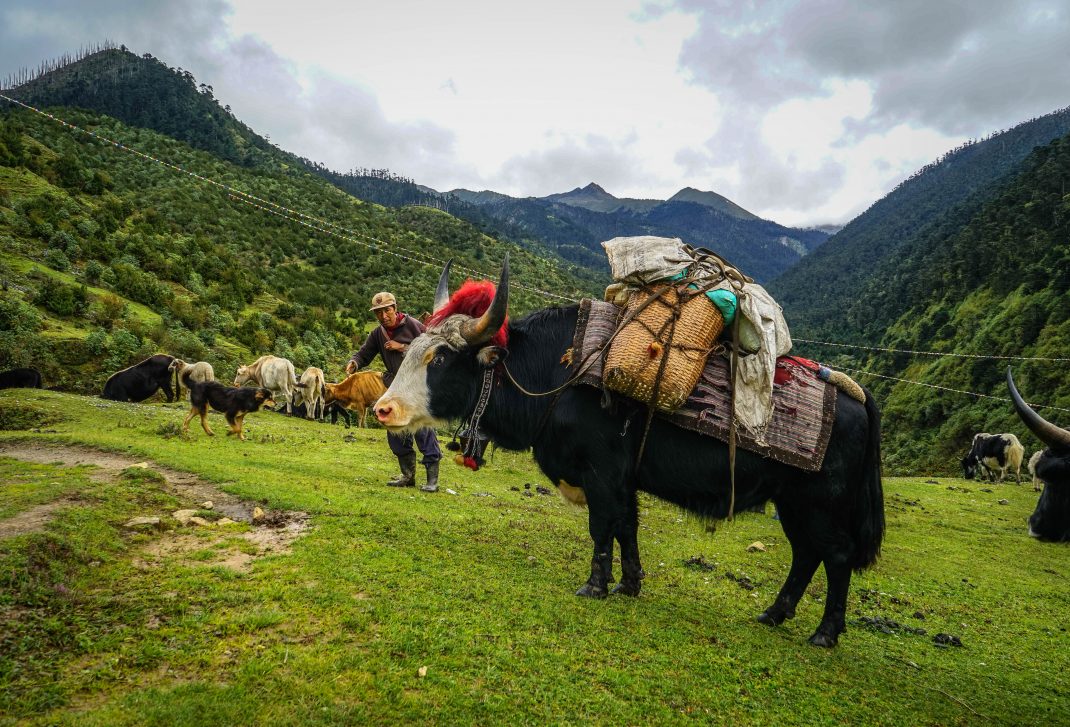
Sakteng routes may intersect or border community-use landscapes. Respectful behavior here is part of ethical travel, not optional courtesy. Ask before photographing people, homes, or religious symbols. Keep noise low near settlements and livestock movement corridors. Do not enter private areas without explicit permission.
- Buy local services where appropriate to support community-linked tourism.
- Avoid waste generation that local systems cannot absorb.
- Use designated paths to reduce habitat disturbance.
- Follow guide instruction in culturally sensitive zones.
Travelers who engage respectfully often receive richer local insights and better route support.
Risk Management and Backup Day Strategy
In remote sanctuaries, backup planning is essential. Keep at least one contingency day in itinerary for weather disruption, trail delay, or transport shifts. Do not schedule hard departures immediately after deep-field movement. Recovery margin improves safety and decision quality.
| Risk Area | Common Trigger | Best Mitigation |
|---|---|---|
| Trail delay | Weather and terrain conditions | Early starts + buffer day |
| Low visibility | Cloud or precipitation | Flexible photo and observation slots |
| Fatigue | Overloaded daily plan | Moderate pacing and hydration discipline |
| Logistics shift | Remote transport uncertainty | Pre-confirm next-day movement |
Strong risk planning does not reduce adventure. It makes the adventure sustainable and safer.
Wildlife Observation Ethics in Remote Sanctuaries
Ethical observation is central to Sakteng travel. In remote habitats, even small visitor behaviors can influence animal movement and stress patterns. Avoid loud calls, sudden approach behavior, and repeated attempts to force sightings. Keep distance, reduce group noise, and follow guide direction at all times. Good wildlife travel is about patience, not pursuit.
Use optics responsibly and avoid flash where it can disturb wildlife or local community settings. If conditions are poor, accept low-sighting days as part of real field travel. Sanctuaries are dynamic systems, not controlled attractions. Respecting this reality leads to safer and more meaningful experiences.
Travelers who prioritize ethics over instant results contribute directly to long-term conservation credibility in sensitive areas like Sakteng.
Choosing patience over pressure is the most reliable way to experience Sakteng responsibly and preserve its ecological integrity for future visitors.
It also helps to maintain a daily field log during Sakteng travel: weather pattern, route condition, habitat notes, and wildlife signs. Even basic notes improve next-day planning and make your experience more scientific and mindful. For long-term nature travelers, this discipline builds better judgment across future mountain sanctuaries and supports responsible storytelling that respects ecological uncertainty and conservation realities.
Prepared travelers consistently report better safety, richer interpretation, and stronger conservation respect in Sakteng journeys.
Respectful pacing and adaptive planning are the core principles for a successful Sakteng trip.
Always keep one final weather and safety review before each field day.
Conclusion
Sakteng Wildlife Sanctuary is one of Bhutan's most compelling remote nature destinations for travelers who value biodiversity, cultural context, and mountain-route authenticity. It is not a casual day trip destination. It requires preparation, patience, and respect for both ecology and local traditions.
When planned with the right season, permits, and pacing, Sakteng offers one of the richest eastern Bhutan experiences available to wildlife and trek-focused travelers.
Location
Frequently Asked Questions
Q1.Where is Sakteng Wildlife Sanctuary located?
Q2.What is Sakteng Wildlife Sanctuary famous for?
Q3.Do I need a permit to visit Sakteng?
Q4.Is trekking possible in Sakteng Wildlife Sanctuary?
Q5.What wildlife can be seen in Sakteng?
Q6.What is the best time to visit Sakteng Wildlife Sanctuary?
Q7.Is the Yeti story connected to Sakteng?
Q8.How many days are ideal for a Sakteng-focused trip?
Recommended For You

Backpacking Bhutan: Budget Planning, Route & Permit Details
Complete backpacking Bhutan guide: visa requirements, daily fee, budget tips, best season, trekking, cultural sites & 7-day itinerary for the Land of the Thunder Dragon.

Thimphu Bhutan: Complete Travel Guide and Top Places
Plan your Thimphu Bhutan trip with top attractions, best season, India access routes, local transport, stay options, and practical sightseeing tips.

Jigme Singye Wangchuck National Park Bhutan: Wildlife & Trekking Routes
Explore Jigme Singye Wangchuck National Park in Bhutan with wildlife highlights, Nabji Korphu trek details, permits, seasons, and practical travel planning tips.
Never Miss an Adventure
Get the latest trekking guides, travel tips, and exclusive offers delivered straight to your inbox.
