
Trekking
Shimla to Spiti Valley Bike Trip: Route Map, Fuel Stops & Day Plan

Rohan Malhotra
December 24, 2025
13 min read2,227 views
Complete guide for Shimla to Spiti Valley bike trip with route, itinerary, road conditions, best time, cost & travel tips for epic Himalayan adventure.
Shimla to Spiti Valley: The Epic Himalayan Bike Adventure
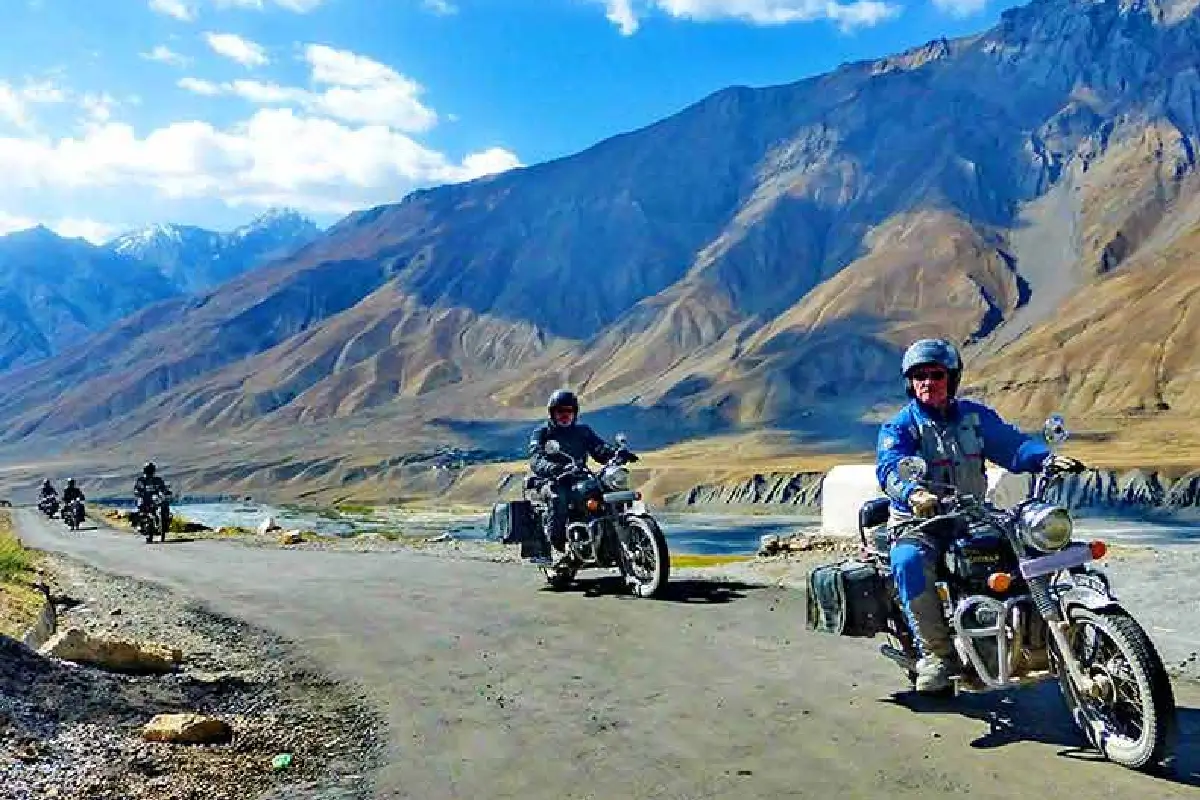
The bike journey from Shimla to Spiti Valley represents one of India's most epic motorcycle adventures, taking riders through some of the most dramatic and remote landscapes the Himalayas have to offer. While many travelers also explore Spiti Valley via the Manali route, the Shimla approach offers better acclimatization and diverse scenery. This 425+ kilometer journey traverses the stunning Kinnaur and Spiti valleys, crossing high mountain passes, ancient monasteries, and terrain that transitions from lush green valleys to stark, high-altitude desert landscapes. Unlike the more crowded Manali-Leh route, the Shimla-Spiti circuit offers a more tranquil experience with equally spectacular scenery. The route follows the Hindustan-Tibet Road, one of the world's most spectacular and challenging mountain highways, originally built as a trade route to Tibet and today maintained by the Border Roads Organization. What makes this journey truly special is its diversity - you'll experience everything from apple orchards and pine forests to barren high-altitude desert, from traditional Hindu villages to ancient Buddhist monasteries. The slow ascent from Shimla's lower altitude to Spiti's high desert allows for better acclimatization and a more gradual introduction to the extreme Himalayan environment. For adventure motorcyclists, this route offers the perfect blend of challenge and reward - technical riding on winding mountain roads, basic but authentic accommodations, and the satisfaction of navigating one of India's most remote and beautiful regions on two wheels.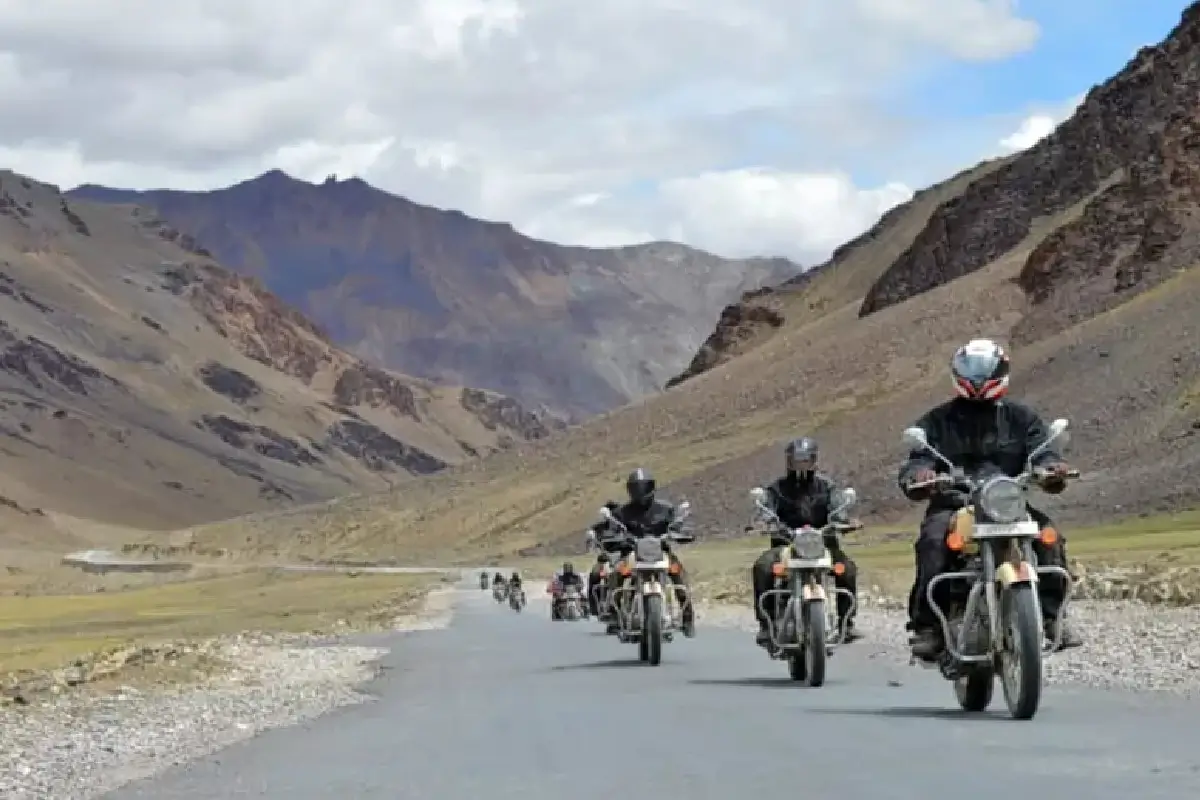
Route Overview
The Shimla to Spiti Valley bike route typically follows the Hindustan-Tibet Road through Kinnaur valley before entering Spiti via the Losar route. The total distance from Shimla to Kaza (Spiti's main town) is approximately 425 kilometers, typically covered over 7-8 days depending on your pace and stops. The route progresses through several distinct geographical zones, each with its own character and challenges. Starting from Shimla at approximately 2,200 meters, you gradually climb to Nako (3,600 meters), then Tabo (3,050 meters), and finally Kaza (3,800 meters). This gradual ascent aids acclimatization and reduces the risk of altitude sickness. Key stops along the way include Sarahan, Sangla, Kalpa, Nako, Tabo, Dhankar, and Kaza. Each location offers unique attractions - from Sarahan's Bhimakali Temple to Sangla's stunning valley views, Kalpa's Kinnaur Kailash panorama to Nako's serene lake, Tabo's ancient monastery to Dhankar's dramatic cliff-side location. The route can be done as a one-way journey ending in Kaza, or as a round trip returning via Manali (creating the popular Spiti circuit). The return via Manali adds approximately 200 kilometers and 2-3 days, crossing Kunzum Pass and Rohtang Pass, making for a complete Spiti experience. Road conditions vary significantly - paved sections near Shimla give way to rough mountain roads, with some stretches being challenging, especially after rain or landslides. The journey requires good riding skills, a reliable motorcycle, and mental preparation for basic facilities and remote conditions.| Section | Distance | Time Required | Key Attractions |
|---|---|---|---|
| Shimla to Sarahan | 175 km | 1 day | Bhimakali Temple |
| Sarahan to Sangla | 20 km | Half day | Sangla Valley, Kamru Fort |
| Sangla to Kalpa | 45 km | Half day | Kinnaur Kailash view |
| Kalpa to Nako | 115 km | 1 day | Nako Lake, Malling Nullah |
| Nako to Tabo | 70 km | 1 day | Tabo Monastery |
| Tabo to Kaza | 50 km | 1 day | Dhankar Monastery |
Detailed Itinerary (7-8 Days)
A well-paced 7-8 day itinerary allows you to enjoy the journey without rushing, with time for acclimatization, exploration, and rest days when needed. Day 1: Shimla to Sarahan (175 km, 6-7 hours). Start early from Shimla, heading east on the Hindustan-Tibet Road. The journey takes you through Kufri, Theog, and Rampur. Sarahan, famous for the Bhimakali Temple, is your first night halt. The temple's unique architecture and spiritual significance make Sarahan an important stop. Day 2: Sarahan to Sangla (20 km, 1 hour + exploration). A short but spectacular ride through Sangla Valley, considered one of the most beautiful valleys in Himachal Pradesh. Visit Kamru Fort and the village of Sangla. The valley's pine forests, cedar trees, and apple orchards create a stunning setting. Overnight in Sangla. Day 3: Sangla to Kalpa (45 km, 2-3 hours + exploration). The ride to Kalpa offers spectacular views of the Kinnaur Kailash range. Kalpa itself provides some of the best mountain views in the entire region. Explore Chini village and perhaps the Kalpa Monastery. The Reckong Peo area offers good accommodation options. Day 4: Kalpa to Nako (115 km, 6-7 hours). This is one of the most challenging and spectacular riding days. The road follows the Sutlej River, with dramatic vertical drops on one side and towering cliffs on the other. Keylong includes the Malling Nullah section and the spectacular Confluence at Khab. Nako's serene lake and village provide a peaceful overnight stop. Day 5: Nako to Tabo (70 km, 4-5 hours). Cross into Spiti Valley at Sumdo. The landscape transforms dramatically from green Kinnaur to the arid Spiti desert. Tabo Monastery, over 1,000 years old, is the main attraction. The monastery's ancient wall paintings and spiritual atmosphere make Tabo special. Day 6: Tabo to Kaza via Dhankar (50 km, 4-5 hours). A relatively short ride with significant exploration. Dhankar Monastery, perched precariously on a cliff edge, offers spectacular views and ancient murals. Continue to Kaza, Spiti's main town, where you can restock supplies and enjoy slightly better facilities. Day 7: Rest day in Kaza or local exploration. Use this day for rest, acclimatization, or exploring nearby attractions like Chicham Bridge, Key Monastery, and Kibber village. A rest day helps with acclimatization and bike maintenance before the return journey. Day 8: Return journey begins. For those doing a round trip, head back toward Manali via Kunzum Pass (approximately 200 km, 2 days). For one-way trips, spend the day exploring more of Spiti before beginning the return to Shimla.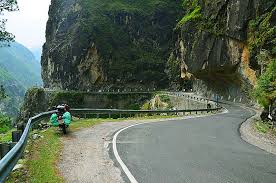
Road Conditions
Road conditions on the Shimla-Spiti route vary significantly and are a crucial consideration for trip planning. Understanding what to expect helps ensure safety and enjoyment. From Shimla to Rampur, the roads are generally well-paved and in good condition. This section feels almost easy compared to what comes later. However, don't be lulled into complacency - the terrain is still mountainous with sharp curves and occasional traffic. The section from Rampur to Sangla includes rough patches and some unpaved stretches. The road to Sangla itself is narrow and winding, requiring careful riding. Recent improvements have upgraded much of this road, but weather can affect conditions quickly. The Sangla to Kalpa section is mostly paved but includes some rough stretches. The climb to Kalpa is steep in sections, testing both rider and machine. The Reckong Peo area has better road maintenance as it's a major administrative center. Kalpa to Nako includes some of the most challenging riding, particularly the Malling Nullah section where the road is literally carved into a vertical cliff face. This section can be nerve-wracking but is spectacularly beautiful. Check current road conditions as this section can temporarily close after landslides or for maintenance. Nako to Sumdo and Tabo includes rough patches with some unpaved sections. The road becomes narrower as you enter Spiti. This section sees fewer vehicles, so traffic isn't a major concern. In Spiti Valley (from Sumdo onward), roads are generally rough, unpaved, and challenging. Patches of good road exist but are interspersed with rough, rocky, or sandy sections. Summer (June-September) typically sees the best conditions as maintenance crews can access areas still snowbound in other seasons. Monsoon (July-August) brings challenges - landslides can block sections temporarily, and rain makes rough roads even rougher. Some sections might be temporarily closed for repair or due to safety concerns after landslides. Road widening and improvement work is ongoing in various sections. This construction can create delays, rough detours, and increased dust. Check current conditions before departure and be flexible with your itinerary.Best Time to Visit
Choosing the right season for your Shimla-Spiti bike trip significantly impacts the experience. Each season offers distinct advantages and challenges. Summer (June to mid-October) represents the main riding season. Roads are generally accessible and clear of snow. June and September offer the best combination of good road conditions, manageable temperatures, and fewer crowds. July and August see monsoon rains that can create challenging conditions and occasional road closures. Early summer (June) offers spectacular mountain scenery with snow still visible on peaks but passable roads. Temperatures are moderate during the day but can drop significantly at night. This period sees fewer tourists than later summer. Monsoon (July-August) brings challenges - rain makes rough roads more difficult, landslides can block sections temporarily, and visibility can be reduced. However, the landscape turns incredibly green, waterfalls cascade down cliffs everywhere, and the valleys are at their lushest. Post-monsoon (September-early October) offers perhaps the best overall conditions. Roads have dried out and are generally at their best. The monsoon-green landscape has started to turn golden as autumn approaches. Skies are typically clear, offering excellent mountain visibility and photography conditions. Late autumn (mid-October to early November) sees temperatures dropping and some high passes potentially receiving snow. The landscape turns golden-brown, creating starkly beautiful scenery. Tourist numbers are minimal, and facilities in Spiti might start closing for winter. Winter (November to April) sees most high passes closed due to heavy snow. The route is generally not recommended or possible during this period for most riders. Spiti becomes virtually inaccessible from Shimla, with only local residents remaining in the harsh winter conditions. For the best experience, aim for June, September, or early October. These periods offer the most reliable road conditions, manageable temperatures, and good accessibility while avoiding the worst crowds and monsoon challenges.Bike Preparation
Proper bike preparation is crucial for the challenging Shimla-Spiti route. The rough roads and remote nature mean mechanical problems can become major issues if your bike isn't properly prepared. Motorcycle choice significantly impacts the experience. Royal Enfield bikes (Classic 350/500, Himalayan, or Bullet) are popular choices due to their torque, reliability, and availability of mechanics everywhere in Himachal. Bajaj Avenger/NS and similar bikes also work well. Avoid low-ground-clearance sport bikes or scooters - this route demands proper adventure/touring motorcycles. Service your motorcycle thoroughly before departure. Change engine oil, check all fluids, inspect brakes (front and rear), ensure the clutch is in good condition, and check suspension components. Fix any existing issues rather than hoping they'll survive the journey. Carry essential spare parts and tools: spark plugs, clutch/brake cables, fuse kit, tire repair kit, tube (even if you have tubeless tires), basic tool kit, electrical tape, wire, and extra nuts/bolts. Knowing how to use these tools is as important as carrying them. Tires are critical - start with good quality tires in good condition. Consider tire choice carefully - tube tires are easier to repair in remote areas, while tubeless offer better puncture resistance but might be harder to fix if severely damaged. Carry at least one spare tube. Electrical system reliability is crucial. Check battery condition, ensure all lights work, and carry spare fuses. The electrical system takes a beating on rough roads, and vibration can loosen connections. Consider adding extra padding to secure battery and electrical components. Fuel range matters significantly - some stretches have fuel gaps of 200+ kilometers. Carry extra fuel in a proper jerrican or reserve tank. Know your bike's mileage and plan fuel stops accordingly. Petrol quality varies, so consider using fuel additives if concerned. Luggage capacity affects bike handling. Use soft luggage that can be secured properly. A tank bag is useful for frequently accessed items. Side boxes or a tail bag work for main luggage. Ensure weight is distributed evenly and secured tightly - rough roads loosen improperly secured luggage. Test ride your loaded bike before departure to understand how it handles with full luggage. Adjust packing, tire pressure, and suspension settings based on this test ride. Breaking in new tires or doing major work immediately before the trip is asking for trouble.Cost Breakdown
Budgeting for a Shimla-Spiti bike trip requires considering multiple components. While costs vary based on travel style, here's a realistic breakdown for a mid-range budget traveler. Bike rental (if bringing your own): If renting from Delhi, expect Rs. 800-1,500 per day depending on bike model. Security deposit of Rs. 5,000-15,000 is typically required. For a 7-10 day trip, rental costs approximately Rs. 6,000-12,000. If bringing your own bike, calculate transport costs to/from Shimla and maintenance costs. Fuel costs: The total route is approximately 850-1,000 kilometers round trip. Assuming average mileage of 35-40 kmpl, you'll need approximately 25-30 liters of fuel. In Himachal, petrol prices are slightly higher than plains (approximately Rs. 100-110 per liter). Budget approximately Rs. 3,000-3,500 for fuel. Accommodation: Budget guesthouses cost Rs. 500-800 per room per night. Mid-range options are Rs. 800-1,500. Basic facilities are the norm - don't expect luxury. For 7-8 nights, budget Rs. 4,000-8,000 depending on your choice of accommodation. Food: Local dhabas and small restaurants serve basic meals. Breakfast costs Rs. 80-150, lunch Rs. 150-250, dinner Rs. 200-300. Budget approximately Rs. 600-800 per day for food, totaling Rs. 4,500-6,500 for the trip. Miscellaneous: Inner Line Permit (Rs. 200-400 per person), minor repairs, emergency supplies, tips, and unplanned expenses. Budget Rs. 2,000-3,000 for miscellaneous expenses. Total approximate budget for a 7-8 day trip: Rs. 20,000-30,000 per person for a mid-range experience. Budget travelers can manage for Rs. 15,000-18,000 by staying in cheaper accommodation and eating more simply. Comfort travelers might spend Rs. 35,000-45,000 for better accommodation and transport.Travel Tips
Essential tips for a safe and enjoyable Shimla-Spiti bike adventure: Acclimatization: The gradual ascent from Shimla to Spiti aids acclimatization, but altitude sickness is still possible. Drink plenty of water, avoid alcohol, and ascend gradually. If you feel symptoms (headache, nausea, shortness of breath), descend immediately and rest. Inner Line Permit: Required for some areas near the Tibetan border. Obtain this in advance from the District Commissioner's office in Reckong Peo or Kaza. Carry multiple copies as you'll need to submit them at various checkpoints. Riding technique: Mountain riding differs from plains riding. Use engine braking rather than constant braking to avoid brake fade. Be especially careful on gravel patches and water crossings. Stand slightly on footpegs for rough sections to improve control and comfort. Start early: Mountain weather changes quickly, and riding in daylight is safer. Start early morning (6-7 AM) to reach your destination by early afternoon. This leaves buffer time for delays and better light for photography. Stay hydrated and fed: High altitude dehydrates you quickly. Carry water and drink regularly, even if you don't feel thirsty. Eat regular meals - calorie burn is high at altitude, and riding requires concentration and energy. Respect local culture: Spiti and Kinnaur have traditional Buddhist and Hindu cultures. Dress modestly, especially when visiting monasteries. Ask permission before photographing people or religious ceremonies. Don't disturb prayer flags or religious objects. Carry cash: ATMs are limited - reliable ones exist in Shimla, Reckong Peo, and Kaza. Carry sufficient cash for the entire journey between these points. Many smaller establishments don't accept digital payments. Emergency preparedness: Know emergency contact numbers for local police and medical facilities. Carry a basic first aid kit with altitude sickness medication. Inform someone of your itinerary and check in regularly when possible. Weather awareness: Mountain weather is unpredictable and can change rapidly. Check weather forecasts before departure, but be prepared for sudden changes. Don't attempt river crossings during or immediately after rain - water levels can rise dangerously quickly.Location
Frequently Asked Questions
Q1.How many days required for Shimla to Spiti bike trip?
The Shimla to Spiti bike trip typically requires 7-8 days one way from Shimla to Kaza. This includes riding days plus time for exploration, acclimatization, and potential delays from road conditions. For a round trip returning via Manali (the complete Spiti circuit), plan 10-12 days total. The itinerary can be done in 6-7 days if rushing, but this misses much of what makes the region special. A more relaxed 8-10 day one-way journey allows for proper exploration, photography, and rest days for acclimatization.
Q2.What is the distance from Shimla to Spiti Valley?
The distance from Shimla to Kaza (the main town in Spiti Valley) is approximately 425-450 kilometers via the Kinnaur route (Shimla-Rampur-Sangla-Kalpa-Nako-Tabo-Kaza). This route traverses the Hindustan-Tibet Road and is the preferred approach for better acclimatization. The alternative Manali-Kaza route is shorter (approximately 200 kilometers) but much more challenging and prone to altitude sickness due to rapid ascent. The Shimla route, while longer, offers more gradual altitude gain and more diverse scenery.
Q3.Which is the best route for Spiti bike trip?
The Shimla-Kinnaur-Spiti route (via Sangla and Kalpa) is generally considered the best approach for several reasons: (1) Gradual altitude gain aids acclimatization, (2) Road conditions are generally better, (3) The route offers diverse scenery transitioning from green to desert, (4) More accommodation and fuel options en route. The Manali-Kaza route is shorter but involves rapid altitude gain and potentially more challenging road conditions. For a complete experience, many riders do a circuit: Shimla to Kaza via Kinnaur, then return to Manali via Kunzum Pass.
Q4.What are the road conditions from Shimla to Spiti?
Road conditions vary significantly by section. Shimla to Rampur: mostly good, paved roads. Rampur to Sangla: mixed, some rough patches but generally okay. Sangla to Kalpa: mostly paved with some rough sections. Kalpa to Nako: challenging, includes the dramatic Malling Nullah cliff section. Nako to Tabo: rough with unpaved stretches, entering Spiti's arid landscape. Tabo to Kaza: typical Spiti roads - rough, unpaved, challenging but rideable. Post-monsoon (September-early October) typically sees the best conditions. Check current conditions before departure as landslides and construction affect conditions.
Q5.Is the Shimla-Kaza route safe for biking?
Yes, the Shimla-Kaza route is generally safe for experienced riders, but it's challenging and requires proper preparation. The route follows paved and unpaved mountain roads with dramatic drops, hairpin turns, and occasional rough sections. Key safety considerations: ride within your limits, be prepared for basic facilities, carry emergency supplies, check bike condition thoroughly, monitor weather, and respect altitude. The route sees regular motorcycle traffic during season, so help is available if needed. Avoid monsoon if possible due to landslide risk. The gradual ascent makes this route safer for altitude-related issues than the Manali approach.
Q6.What is the best time for Spiti bike trip?
The best time for a Shimla-Spiti bike trip is June to early October. June offers post-spring conditions with snow still visible on peaks but passable roads. July-August sees monsoon rains that can make riding challenging with landslides and rough roads, though the landscape is incredibly green. September-early October typically offers the best overall conditions with dry roads, clear skies, and excellent visibility. Late October sees temperatures dropping and potential early snow at high passes. Winter (November-April) is not feasible due to snow closures.
Q7.What type of bike is suitable for Spiti trip?
Suitable motorcycles for Spiti include: Royal Enfield Classic 350/500 or Himalayan (most popular, good torque and reliability), Bajaj Avenger (comfortable cruiser), Bajaj NS/RS (good performance), or similar adventure/touring bikes. Essential features: good ground clearance, reliable engine, comfortable riding position, and availability of mechanics in Himachal (Royal Enfields have this advantage). Avoid: sport bikes (low ground clearance), scooters (unsuitable for rough roads), or very high-performance bikes (limited service network). The bike should be well-maintained and preferably broken-in before the trip.
Q8.What is the approximate cost of Spiti bike trip?
A Shimla-Spiti bike trip (7-8 days, one way) costs approximately Rs. 20,000-30,000 per person for mid-range travel. This includes: bike rental Rs. 6,000-12,000 (7-8 days), fuel Rs. 3,000-4,000, accommodation Rs. 4,000-8,000 (Rs. 500-1,000/night), food Rs. 4,500-6,500, miscellaneous Rs. 2,000-3,000 (permits, repairs, emergency). Budget travelers can manage Rs. 15,000-18,000 using cheaper guesthouses and economical food. Comfort travelers with better hotels and support vehicles might spend Rs. 35,000-45,000. Costs exclude transport to/from Shimla and personal gear.
Recommended For You
Adventure
Manali: Complete Travel Plan Places And Weather
Complete Manali travel guide featuring Rohtang Pass, Solang Valley, Hadimba Temple, adventure activities, best time to visit & practical tips.
Feb 20Read More
Travel
Valleys in Himachal Pradesh: Top Picks, Routes & Best Season
Compare the most famous valleys in Himachal Pradesh with practical route planning, season guidance, and travel tips for Kullu, Spiti, Kangra, Parvati, and beyond.
Nov 13Read More
Trekking
Treks in Manali: Best Routes, Camps & Difficulty Levels
Explore the best treks in Manali with difficulty-wise options, season planning, fitness prep, and practical trekking tips.
Feb 18Read More
Never Miss an Adventure
Get the latest trekking guides, travel tips, and exclusive offers delivered straight to your inbox.
