
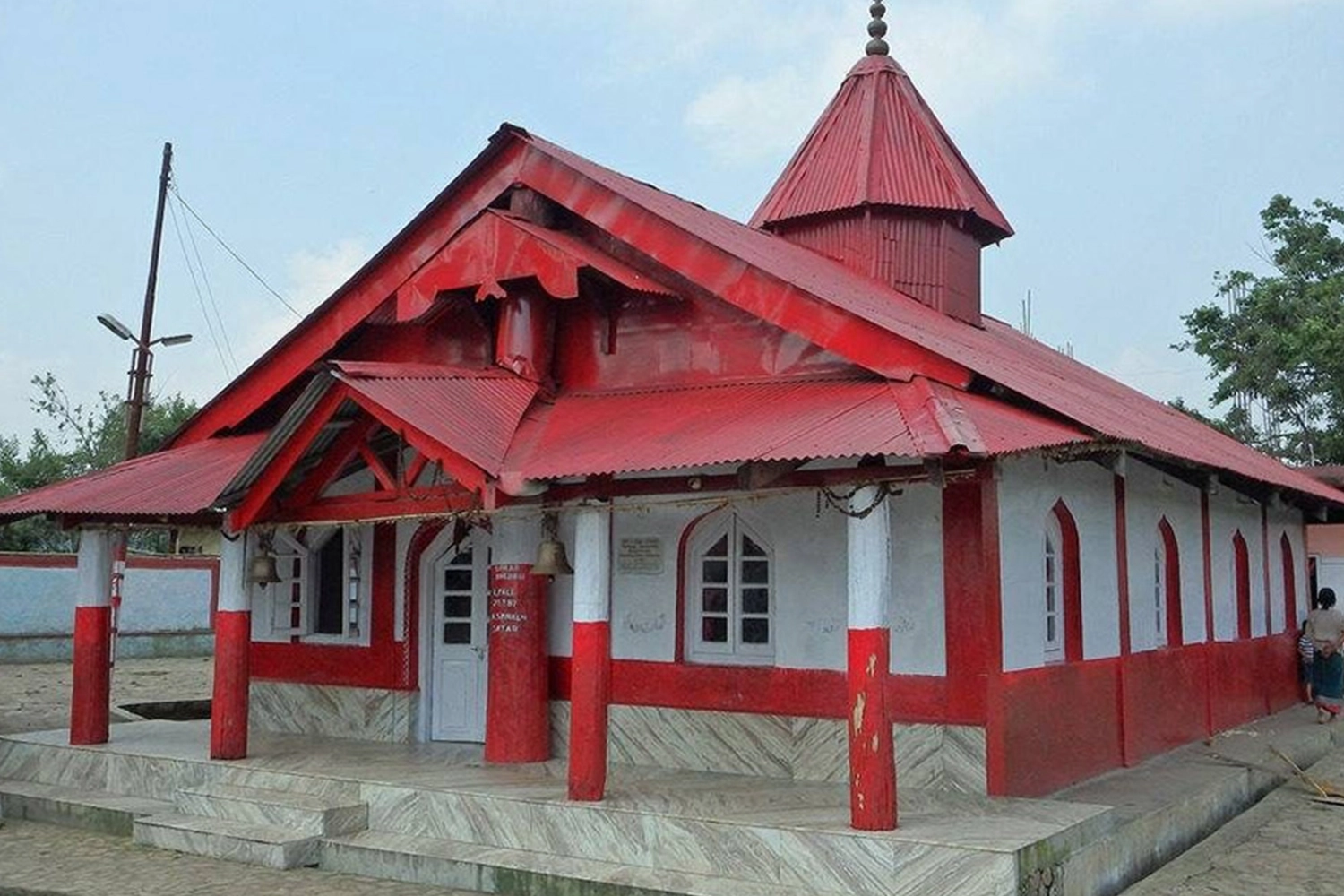
Nartiang Durga Temple Meghalaya: Timings, Navratri Significance & Route

Neha Kapoor
December 19, 2025
Visit Nartiang Durga Temple in Meghalaya, one of 52 Shakti Peethas. Guide with timings, history, monoliths, how to reach & nearby attractions.
Shri Nartiang Durga Temple: Pilgrimage and Heritage Guide in Meghalaya
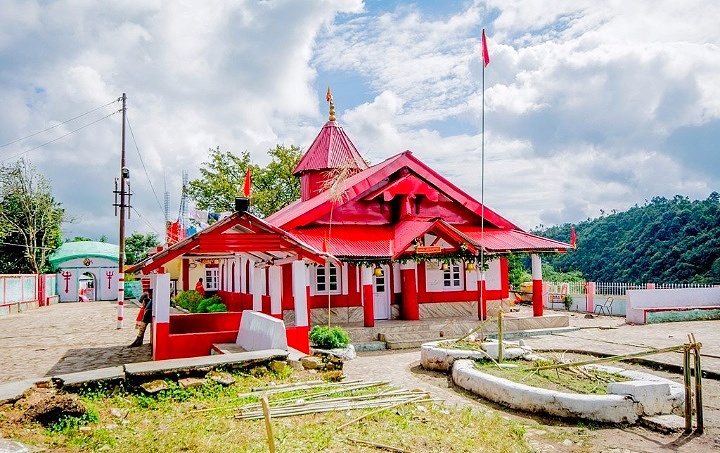
Shri Nartiang Durga Temple is one of Meghalaya’s most respected sacred sites and an important cultural landmark in the Jaintia region. The temple is spiritually significant and historically linked with local traditions, making it a meaningful destination for both pilgrims and heritage travelers. Since it is not a high-volume urban temple, visitors should plan thoughtfully with route clarity and timing buffers.
For broader Meghalaya planning, combine this with Meghalaya travel guide, regional context from Jaintia Hills travel, nearby historical extension through Nartiang Monoliths, and faith-route ideas from temples in Meghalaya.
Why This Temple Matters
The temple is deeply connected to local religious continuity and regional identity. Pilgrims come for blessings and spiritual grounding, while culture travelers come to understand how faith and history intersect in Meghalaya’s hill communities. The site feels quieter than metro temples, which allows more reflective prayer and slower observation of the surroundings.
Best Time to Visit
| Time | Experience | Tip |
|---|---|---|
| Morning | Calm and devotional | Best for focused darshan |
| Afternoon | Moderate movement | Combine with nearby monolith visit |
| Evening | Quiet local atmosphere | Keep return route pre-planned |
How to Reach and Plan Route
Most travelers approach from Shillong or Jaintia-side routes. Road conditions and weather can affect travel time, so always keep buffer hours. Avoid late starts if you are doing same-day return. Families with elders should prefer daylight movement and shorter stop chains.
Darshan Etiquette
Dress modestly, maintain silence near active prayer areas, and avoid intrusive filming. Respect local customs and temple instructions, especially if ritual activity is underway. A mindful and low-noise approach is appreciated in smaller sacred sites where community rhythm is central.
- Carry minimal luggage.
- Respect queue and prayer flow.
- Avoid blocking space for long photo sessions.
- Use calm tone in temple premises.
Combining Temple with Nartiang Heritage
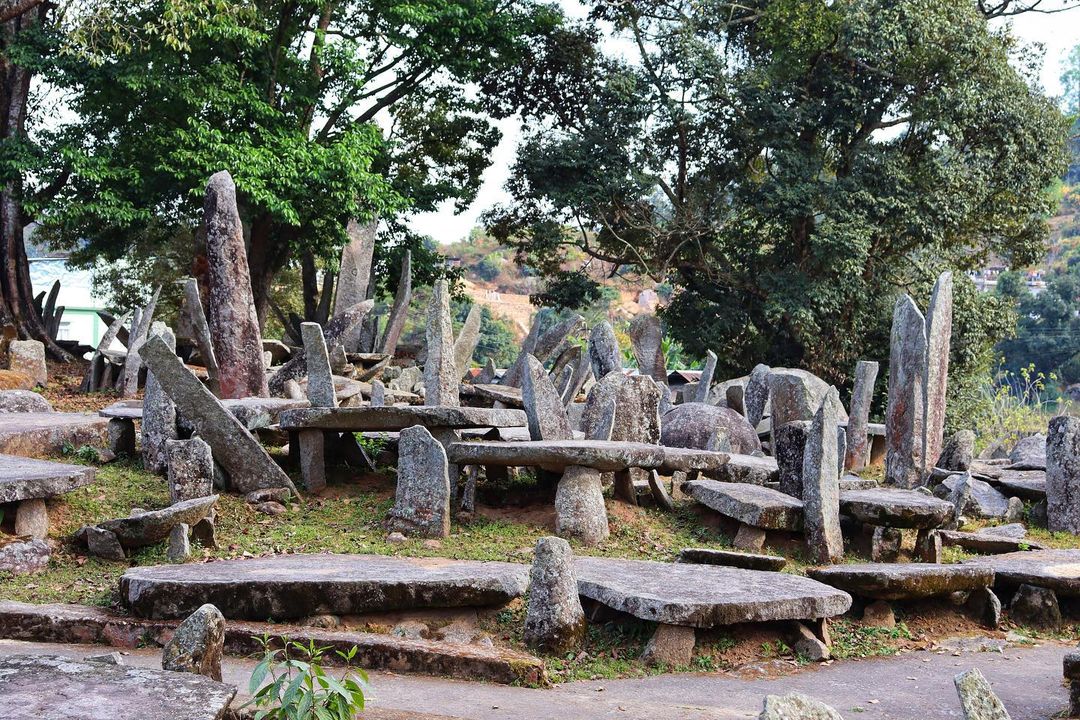
A strong half-day route is temple first, then Nartiang Monoliths, followed by meal and return. This pairing gives both spiritual and historical depth without excessive transfers. If weather turns unstable, prioritize temple visit and skip extra movement.
Season and Weather Awareness
Meghalaya weather can shift rapidly. Carry light rain protection even in apparently clear conditions. In monsoon windows, route time may stretch due to visibility or road slowdowns. Plan conservative return times and avoid remote movement after dark.
Family and Senior-Friendly Tips
Keep water, light snacks, and medicines ready. Give elders time for seated breaks. Children should be briefed on temple decorum before entry. One fixed regroup point near parking or entrance simplifies group coordination.
Budget and Practical Notes
This is generally a low-cost pilgrimage stop where the main spend is transport and meals. Keep emergency cash due to variable network/payment reliability in hill routes. A compact itinerary gives better control than multi-stop rush plans.
Sample Day Plan
Morning: Reach temple and complete darshan calmly. Afternoon: Visit monolith site and local meal. Evening: Return before low-visibility hours.
Extended Jaintia Spiritual Circuit Planning
Shri Nartiang Durga Temple is best experienced as part of a thoughtfully paced Jaintia Hills circuit. A strong itinerary combines darshan, monolith heritage interpretation, and one scenic halt instead of many short unstable stops. The hill terrain rewards conservative movement. Visitors who keep fewer transitions generally enjoy richer context and safer travel.
If weather conditions are uncertain, prioritize temple and monoliths and skip far diversions. Meghalaya routes can change quickly with cloud, rain, and visibility fluctuations.
Cultural Context and Local Sensitivity
Nartiang is not just a tourist checkpoint; it is a living cultural region with strong community memory. Treat local ritual spaces with humility. Avoid loud behavior, drone-like filming patterns, and crowding around prayer points. Ask before photographing people closely. Respectful travel improves local trust and helps preserve access for future visitors.
Photography and Heritage Interpretation
For history-focused travelers, combine temple visuals with monolith landscape study. Capture one wide frame for terrain context, one medium frame for structure detail, and one close frame for texture. Then spend time reading site history rather than moving immediately. Heritage destinations become more meaningful when observation is paired with interpretation.
Family and Group Travel Notes
Families should carry rain-ready layers, warm wraps, and basic medical essentials. Group leaders should share a route brief before departure: expected stops, rest points, and return cut-off time. In hill travel, clear coordination prevents late-evening uncertainty and improves safety for all ages.
Suggested Day Formats
Half-day: Temple + monoliths + return. Full-day: Temple + monoliths + one scenic viewpoint + local meal. Two-day: Add nearby Jaintia highlights with overnight stay to reduce fatigue.
Seasonal Preparation
- Monsoon: waterproof gear and extra route buffer.
- Cool season: early start for clear visibility.
- Warm season: hydration and midday pace control.
Always plan for weather variance even when forecast appears stable.
Final Reflection Practice
After darshan, spend 10 minutes in quiet reflection before leaving. This pause helps transform the visit from sightseeing to pilgrimage and improves emotional retention of the experience.
In-Depth Nartiang Experience Strategy
Shri Nartiang Durga Temple becomes far more meaningful when approached as a layered visit rather than a quick stop. Start with darshan in a calm window, then spend focused time understanding local history and landscape context. The temple and surrounding heritage zones represent a unique mix of devotion and regional identity in Meghalaya. Travelers who slow down and listen to local narratives often gain deeper insight than those who only take photographs.
Because this is a hill-region spiritual site, route timing should always include weather uncertainty. Keep at least one extra hour in your schedule if you are returning the same day. If clouds or rain begin intensifying, reduce optional stops and prioritize safe return movement. A pilgrimage day should end calmly, not with rushed low-visibility travel.
Couples, Families, and Solo Pilgrims
Couples often enjoy this temple as part of a quiet Meghalaya culture day, while families appreciate the low-intensity devotional setting. Solo travelers should keep transport pre-confirmed and avoid late unscheduled movement in less active areas. All visitor types benefit from one shared rule: keep itinerary simple and leave enough reflection time after darshan.
Detailed Checklist Before Departure
- Check weather forecast and local road updates.
- Carry rain layer, water, and basic first aid.
- Keep one emergency contact informed of route.
- Plan daylight return cutoff in advance.
- Respect local customs and request before close photography.
With these basics, the Nartiang visit remains spiritually centered and operationally safe.
Final Practical Notes
Before departure, share full route with one trusted contact and keep local weather checks active through the day. In hill pilgrimage routes, communication and daylight discipline are as important as devotion. If conditions become uncertain, reduce optional travel and prioritize safe return to base.
A mindful exit with enough daylight preserves both safety and the emotional quality of the pilgrimage.
Keep your route simple and weather-aware for the best Nartiang pilgrimage experience.
Travel light, start early, and keep weather margins realistic.
Good planning turns this remote visit into a calm and memorable pilgrimage.
Respect local rhythm throughout your visit.
Final Takeaway
Shri Nartiang Durga Temple is a spiritually rich and culturally meaningful destination when visited with respect and realistic planning. Keep your route simple, honor local customs, and allow time for reflection. The experience is best when approached with patience, not hurry.
Location
Frequently Asked Questions
Q1.What is special about Nartiang Durga Temple?
Q2.Is Nartiang a Shakti Peeth?
Q3.How tall are the Nartiang Monoliths?
Q4.What is the history of Nartiang Monoliths?
Q5.How far is Nartiang from Shillong?
Q6.What is the best time to visit Nartiang?
Q7.How to reach Nartiang Durga Temple?
Q8.What are Nartiang Durga Temple timings?
Recommended For You
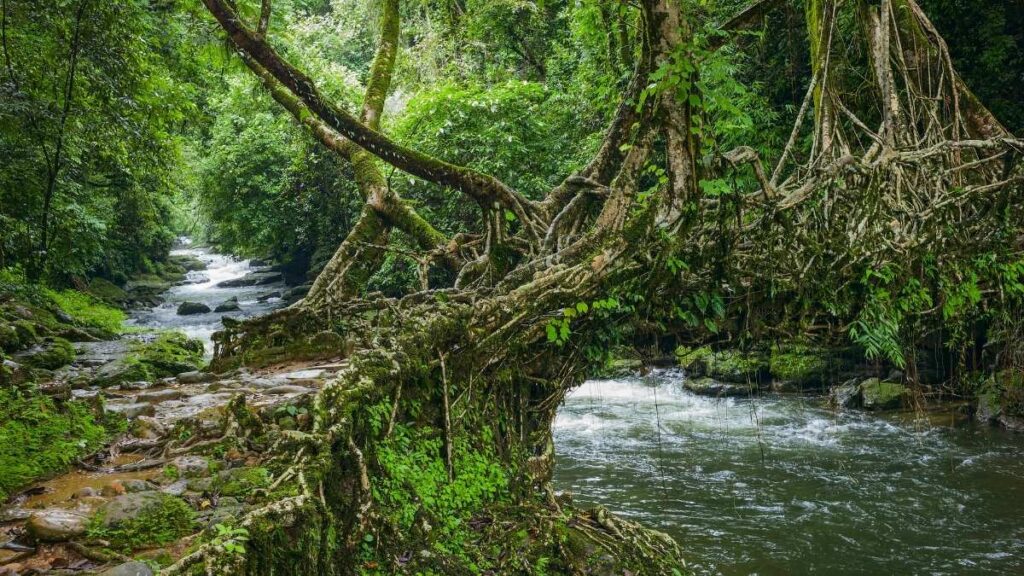
Living Root Bridges Meghalaya: Trek Routes, Villages & Local Tips
Discover Meghalaya's incredible living root bridges - nature's bioengineering marvel grown by the Khasi tribes. Complete trekking guide to the Double Decker Root Bridge in Nongriat, best time to visit, how to reach, difficulty level, and photography tips.
Best Time to Visit Shillong Meghalaya: Season, Rainfall & Local Events
Plan the best time to visit Shillong with season-wise weather, cherry blossom timing, monsoon travel tips, and month-by-month guidance for Meghalaya trips.
Waterfalls in Cherrapunji: 10 Best Falls with Route Details
Discover the best waterfalls in Cherrapunji including Nohkalikai, Seven Sisters, Wei Sawdong, and Dainthlen with practical route planning and season tips.
Never Miss an Adventure
Get the latest trekking guides, travel tips, and exclusive offers delivered straight to your inbox.
