
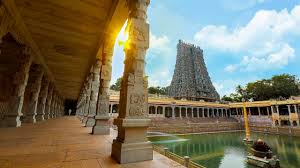
Temples in Tamil Nadu: Route Planning, Darshan Strategy, and Cultural Context

Priya Mehta
February 26, 2026
Plan your Tamil Nadu temple trip with practical route design, darshan timing strategy, and respectful on-ground cultural practices.
Why Tamil Nadu Is India’s Strongest Temple State for Travelers
Temples in Tamil Nadu offer unmatched variety in architecture, ritual continuity, and pilgrimage accessibility. You can move from grand Chola monuments to active town temples and coastal shrines within one route, while still experiencing consistent cultural discipline across locations. This combination is why Tamil Nadu works for both first-time spiritual travelers and repeat heritage visitors.
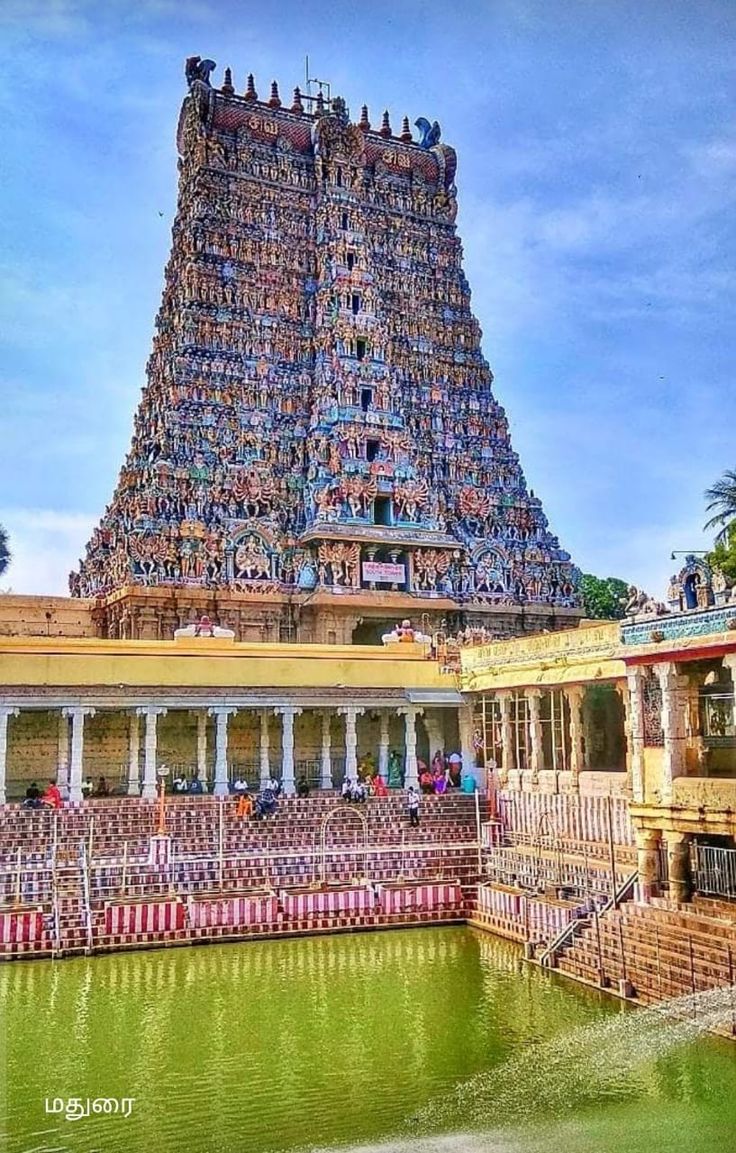
For a strong planning foundation, align this guide with Meenakshi Temple Madurai, structural heritage depth in Brihadeeswarar Temple, sacred coastal context in Rameshwaram Temple, and multi-shrine sequencing from Kumbakonam temples. These references cover the main route logic most travelers need.
How to Build a Tamil Nadu Temple Circuit
A practical first circuit usually includes one major city anchor, one heritage temple belt, one coastal spiritual stop, and one low-crowd reflective temple. This structure balances iconic darshan with lower-stress travel days. Many travelers fail by trying to cover too many temples in one city without factoring queue windows and local transit delays.
Keep city clusters compact. For example, cover one region per day, and avoid late-night transfers before early-morning darshan plans. The goal is continuity, not checklist speed.
Architecture: What to Observe Beyond the Main Sanctum
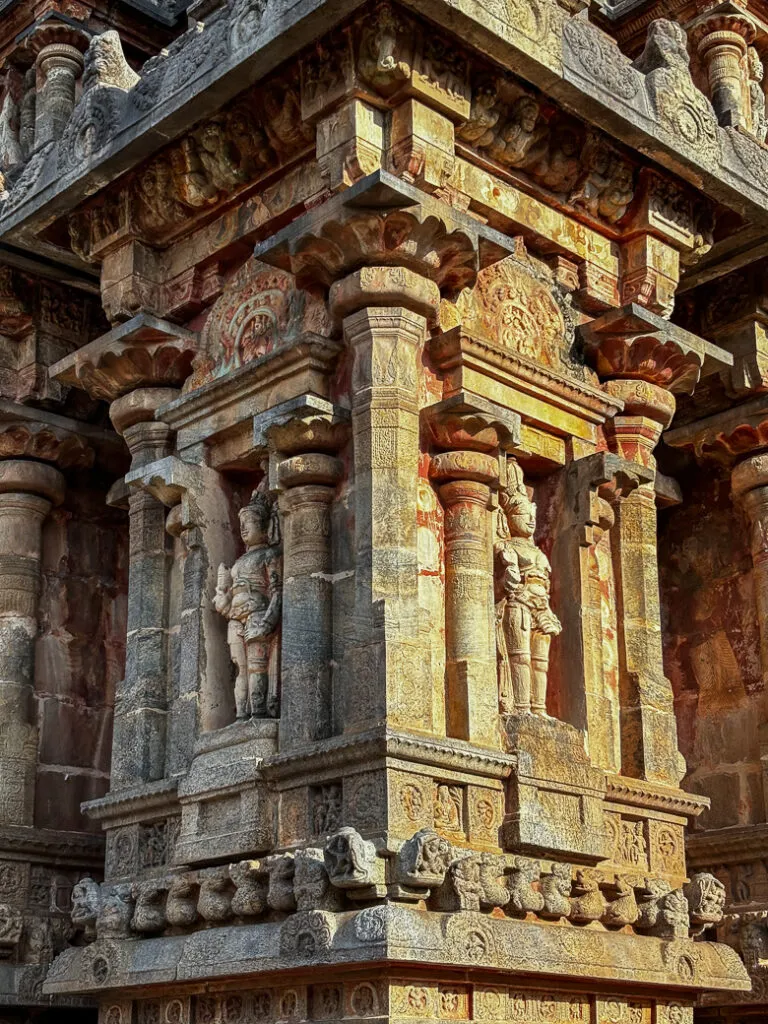
Tamil Nadu temples are known for tall gopurams, complex mandapams, and layered iconography across corridors and towers. If you spend time only inside the central shrine queue, you miss most of the architectural story. Allocate separate time for outer precinct walks, sculpture reading, and temple tank observation.
Even short architectural awareness changes the quality of your visit. It helps you understand why each temple is different in visual language, ritual structure, and historical memory.
Best Time to Visit and Seasonal Discipline
October to February is generally the most comfortable for multi-city temple routes due to lower heat stress in many districts. Summer is still possible with strict morning-evening planning and mid-day rest windows. Monsoon travel can be spiritually rewarding and less crowded, but transit buffers become more important.
If you are targeting major festivals, pre-book stays and local transport early. Festival energy is exceptional, but queues and crowd intensity can be high.
Darshan Queue Strategy That Actually Works
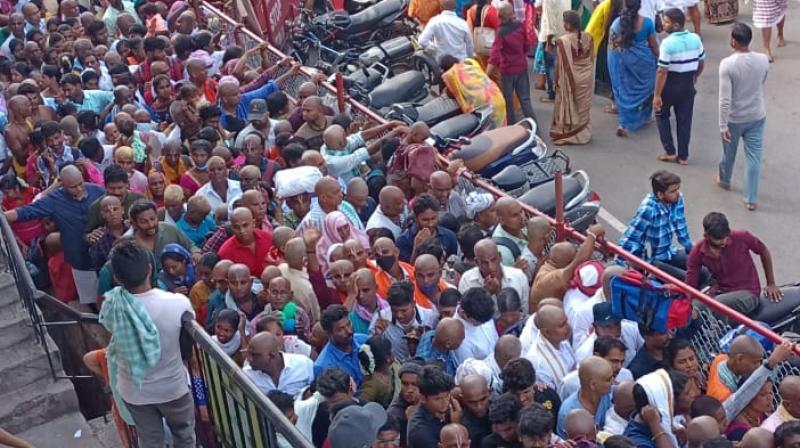
Arrive early, carry only essentials, and keep temple order realistic. One major temple usually needs more time than expected due to security, queue turns, and ritual pauses. If your route includes two high-volume temples in one day, keep a strict fallback plan to avoid rushed endings.
Where available, compare special darshan options with standard queues before paying. In some time windows, standard lines are efficient and provide better value.
Etiquette, Dress, and On-Site Conduct
Modest clothing is expected. Footwear rules, photography restrictions, and sanctum access norms vary across temples, so follow local instructions without debate. Avoid loud conversation in corridors and respect movement flow around local devotees, especially during aarti windows.
Temple travel in Tamil Nadu is most meaningful when handled with humility and rhythm awareness. Cultural discipline is part of the pilgrimage itself, not a secondary rule set.
Stay, Food, and Mobility Near Temple Towns
Staying near temple zones saves significant time and reduces early-morning commute stress. In many towns, local vegetarian dining options align naturally with pilgrimage schedules and are easier on long travel days. Book accommodations with flexible check-in policies when your darshan plan depends on uncertain queue movement.
For local mobility, keep short walking windows in mind. Temple districts can be congested, and walking is often faster than waiting for vehicles in narrow lanes.
How to Make the Journey Spiritually Meaningful
Instead of maximizing count, maximize quality. Spend more time in fewer temples, observe one full ritual cycle where possible, and keep short reflection notes after each visit. Ask local guides focused questions about iconography and regional customs. This approach creates depth and avoids spiritual fatigue.
Tamil Nadu rewards slow attention. The more you align with local rhythm, the more you experience beyond architecture and queue completion.
Temple Route Models for Different Traveler Types
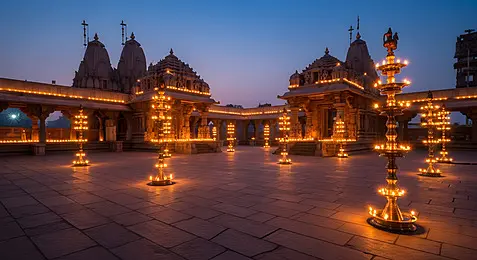
First-time spiritual travelers should prioritize clarity over coverage: one major iconic temple, one heritage-heavy temple town, and one coastal or quieter shrine. Families with elders benefit from shorter daily movement and stays near temple zones to reduce transfer stress. Solo travelers can go deeper into early-morning darshan windows and architecture observation, while content creators may prioritize light and access timings for photography and documentation.
Choosing a route model based on traveler profile reduces friction and keeps expectations realistic. Tamil Nadu has enough depth for multiple return visits, so there is no need to force everything into one trip.
How to Read Temple Town Rhythm
Each temple town has its own rhythm shaped by opening hours, local meal windows, and market flow around ritual periods. Travelers who align with this rhythm move efficiently; those who ignore it often face avoidable delays. Reach temple districts early, complete main darshan before peak heat, then shift to heritage walks, local food, and rest in mid-day windows.
Evening hours are ideal for slower cultural immersion, but confirm closing schedules and special rituals in advance. This simple sequence gives structure and protects energy across multi-day routes.
Using Local Guides Effectively
Local guides can add real value when selected carefully. A good guide explains architectural layers, deity traditions, and historical context without rushing you through standard points. Before starting, clarify your focus: spiritual significance, architectural detail, or route efficiency. This helps the guide shape the narrative around your goals.
Avoid very long generic briefings when queues are active. Use shorter, focused sessions at low-crowd points and then continue independent observation. This hybrid method works well for both learning and time control.
Practical Documentation for Repeat Learning
Keep a small temple log after each visit with four notes: standout feature, ritual observation, local custom, and practical lesson for future trips. Over a week, these notes create a strong personal reference library. Repeat travelers often use this method to refine future routes and improve seasonal decision-making.
Tamil Nadu temple travel becomes deeper with each return if you treat every trip as both pilgrimage and structured learning journey.
Final Pre-Departure Checklist for Temple Travelers
Before departure, verify next-day darshan windows, transport reporting time, and local weather status. Keep a minimal essentials pack ready the previous night to avoid rushed mornings. Confirm stay checkout timing if you are transferring immediately after temple visits. This checklist takes only a few minutes but prevents most avoidable disruptions in temple-heavy routes.
Also keep one recovery meal and hydration break planned after long queue days. Small discipline at this stage improves the overall journey quality and reduces burnout in the last leg of the trip.
When this end-stage checklist becomes routine, temple travel feels calmer, more respectful, and easier to repeat without fatigue.
If needed, reduce one attraction and preserve temple focus quality. Completion with clarity is better than rushed coverage.
Keep one contingency half-day in your plan for unexpected queue or transit variations. This single buffer often saves the entire route from collapsing into rushed decisions and allows you to finish with a more peaceful mindset.
Conclusion
Temples in Tamil Nadu offer one of India’s richest combinations of sacred continuity and architectural excellence. Plan by region, pace by darshan windows, and travel with clear cultural discipline. With this approach, your circuit becomes a complete spiritual journey rather than a rushed monument list.
Location
Frequently Asked Questions
Q1.How many days are needed for a Tamil Nadu temple circuit?
Q2.Which season is best for temple travel in Tamil Nadu?
Q3.Can I visit multiple major temples in one day?
Q4.Is dress code strict in Tamil Nadu temples?
Q5.Do I need special darshan tickets everywhere?
Recommended For You
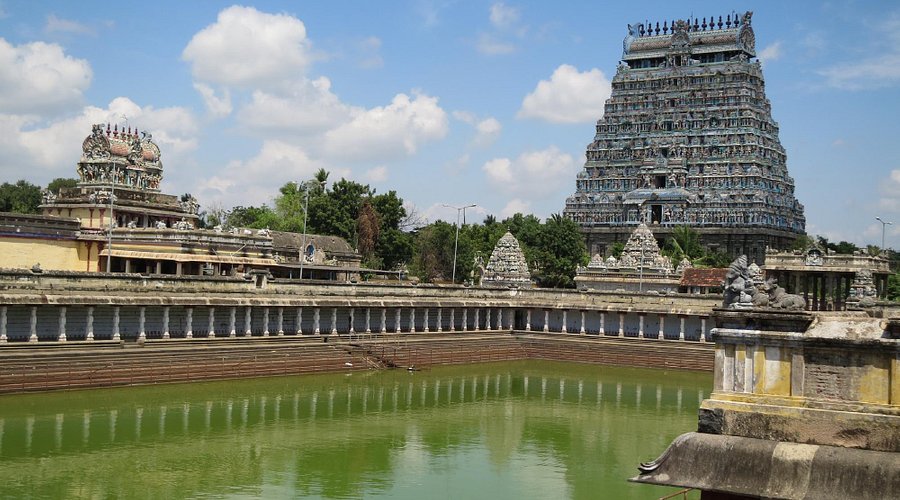
Chidambaram Nataraja Temple: Timings, Rituals & Temple Architecture
Complete Chidambaram Nataraja Temple guide with history, architecture, spiritual significance, festivals, best time to visit, and travel tips. Explore Lord Shiva's cosmic dance.
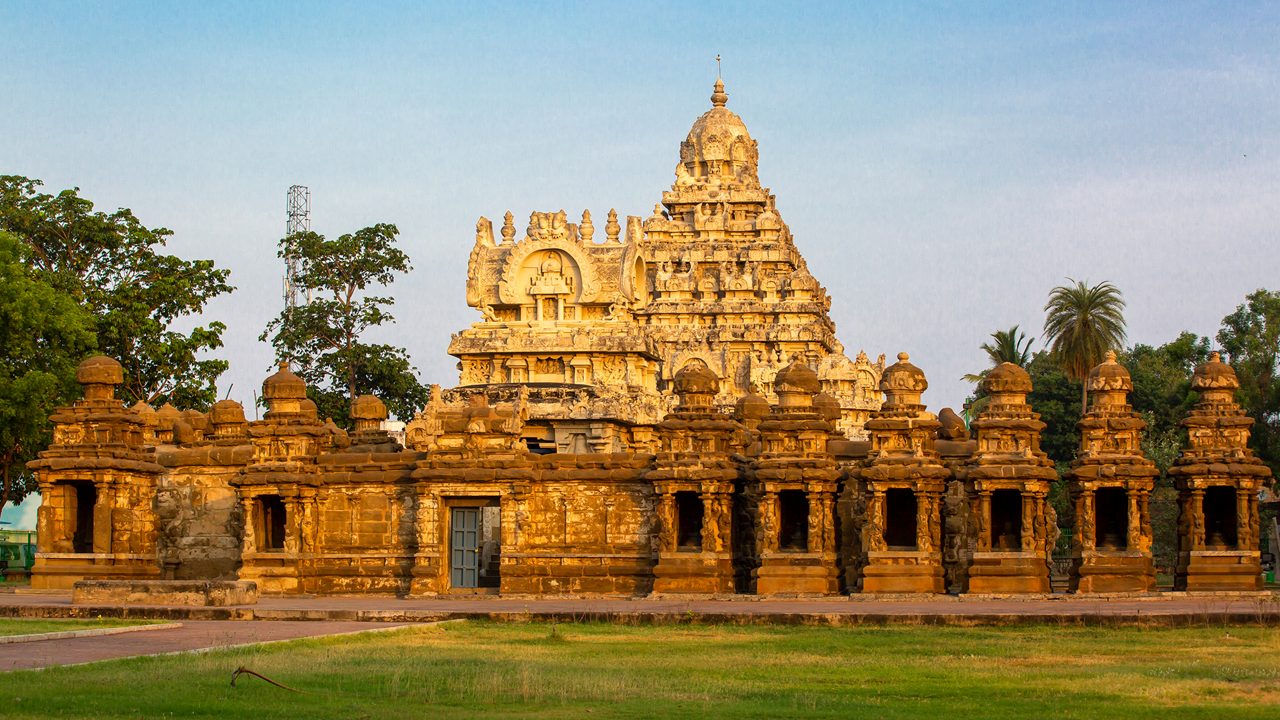
Kanchipuram Temples: Complete Travel Guide to the City of Thousand Temples
Complete Kanchipuram temples guide with history, major temples like Ekambareswarar, Kamakshi Amman, Varadaraja Perumal, silk sarees, and travel tips.
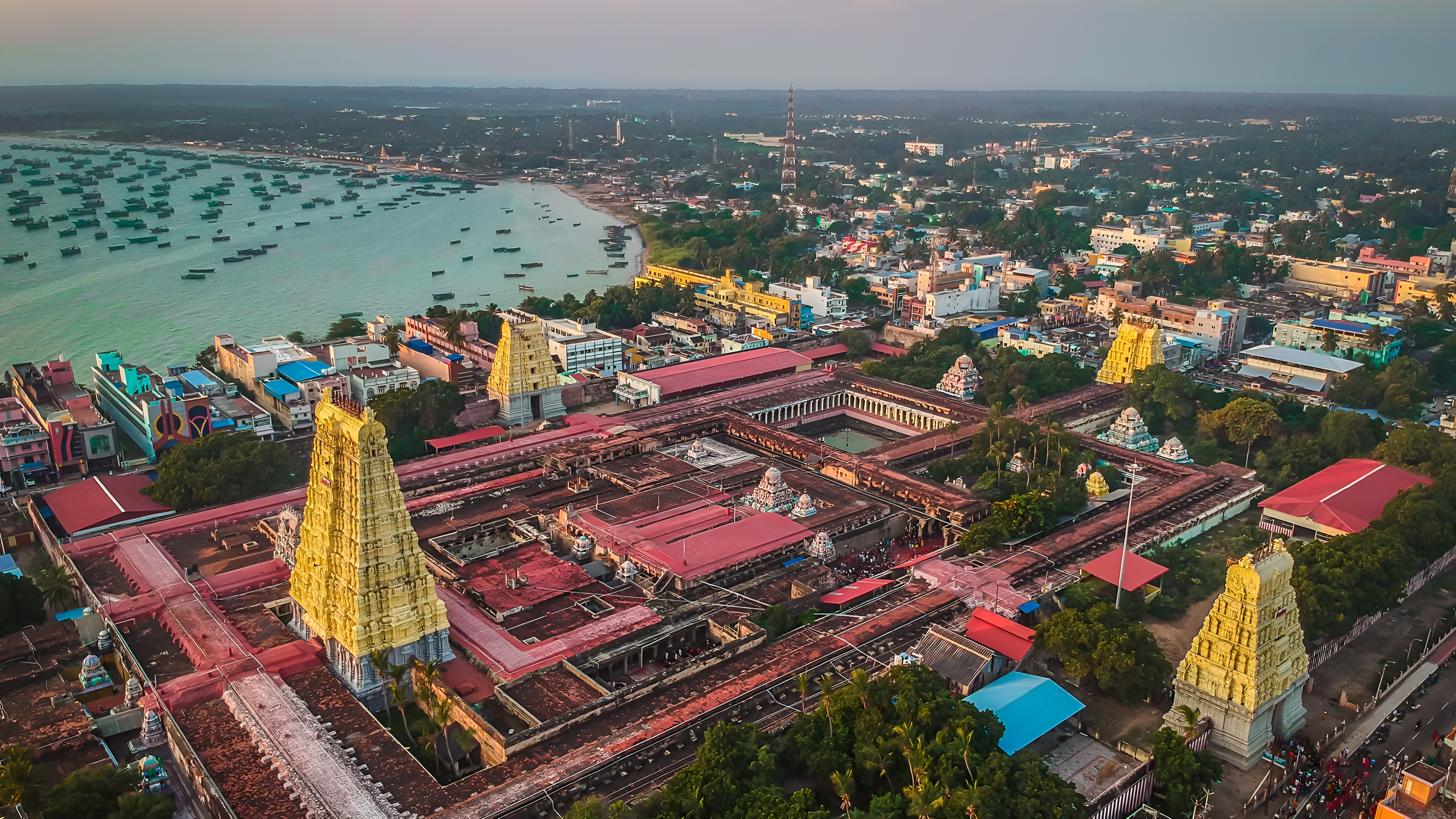
Rameshwaram Temple Pilgrimage: 22 Theertham Rituals, Timings & Route
Complete Rameshwaram Temple guide with 22 theertham ritual, darshan timings, architecture, best time to visit, and travel tips for this sacred Jyotirlinga.
Never Miss an Adventure
Get the latest trekking guides, travel tips, and exclusive offers delivered straight to your inbox.
