
Tiger Hill Ladakh: Kargil War Site History & Travel Route

Rohan Malhotra
November 25, 2025
Tiger Hill Ladakh guide covering Kargil battle significance, route planning from Leh, best season, civilian visit reality, and respectful memorial travel tips.
Introduction: Why Tiger Hill Matters Beyond a Typical Ladakh Viewpoint
Tiger Hill Ladakh is not just a mountain location on a map. It is one of the most emotionally significant battle points from the 1999 Kargil War and remains deeply connected to India's modern military history. Travelers who visit the Drass-Kargil region often come for high-altitude landscapes and road-trip adventure, but Tiger Hill introduces a different layer to the journey: remembrance, sacrifice, and context.
Unlike regular scenic stops, this area should be approached with historical awareness and practical planning. Weather can shift quickly, altitude conditions are real, and access to specific points may vary depending on security and local advisories. This guide explains Tiger Hill's location, battle significance, best season, route planning from Leh, what civilians can realistically experience, and how to build a respectful itinerary with nearby sites like Drass War Memorial and Zoji La.
About Tiger Hill in the Drass-Kargil Sector
Tiger Hill is located in the Drass-Kargil belt and is associated with one of the most strategically important engagements of the Kargil conflict. It is commonly cited around 5,300+ meters in elevation and sits in terrain where observation and control of surrounding lines had major tactical value during wartime.
| Key Detail | Information |
|---|---|
| Region | Drass sector, Kargil district, Ladakh |
| Commonly cited altitude | Approx 5,307 m (about 16,500 ft) |
| Historic relevance | Major Kargil War battle objective |
| Nearest major route corridor | Leh-Kargil-Drass axis |
| Travel type | Historical route planning + high-altitude drive |
For most travelers, the meaningful experience comes through contextual visits around Drass and Kargil rather than attempting unauthorized or unsafe movement toward sensitive zones.
Kargil War History: Tiger Hill's Strategic Significance
During the 1999 Kargil conflict, Tiger Hill became one of the most critical objectives because of its commanding position. Regaining control of this high point was vital for operational advantage and route security in the sector. The battle is remembered for difficult terrain, extreme conditions, and high-risk mountain warfare execution.
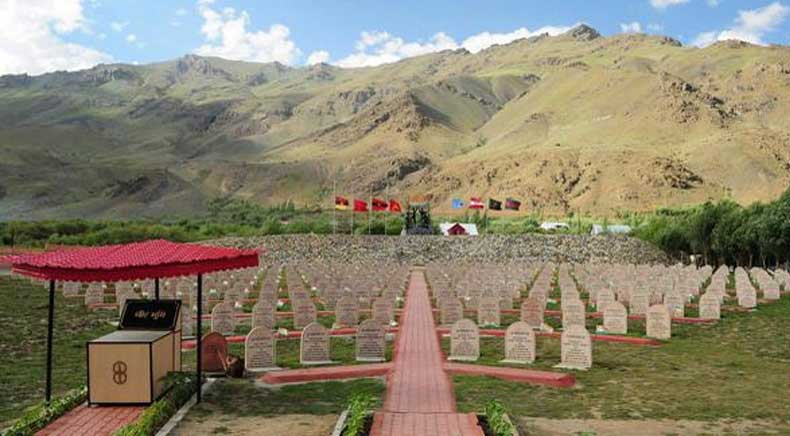
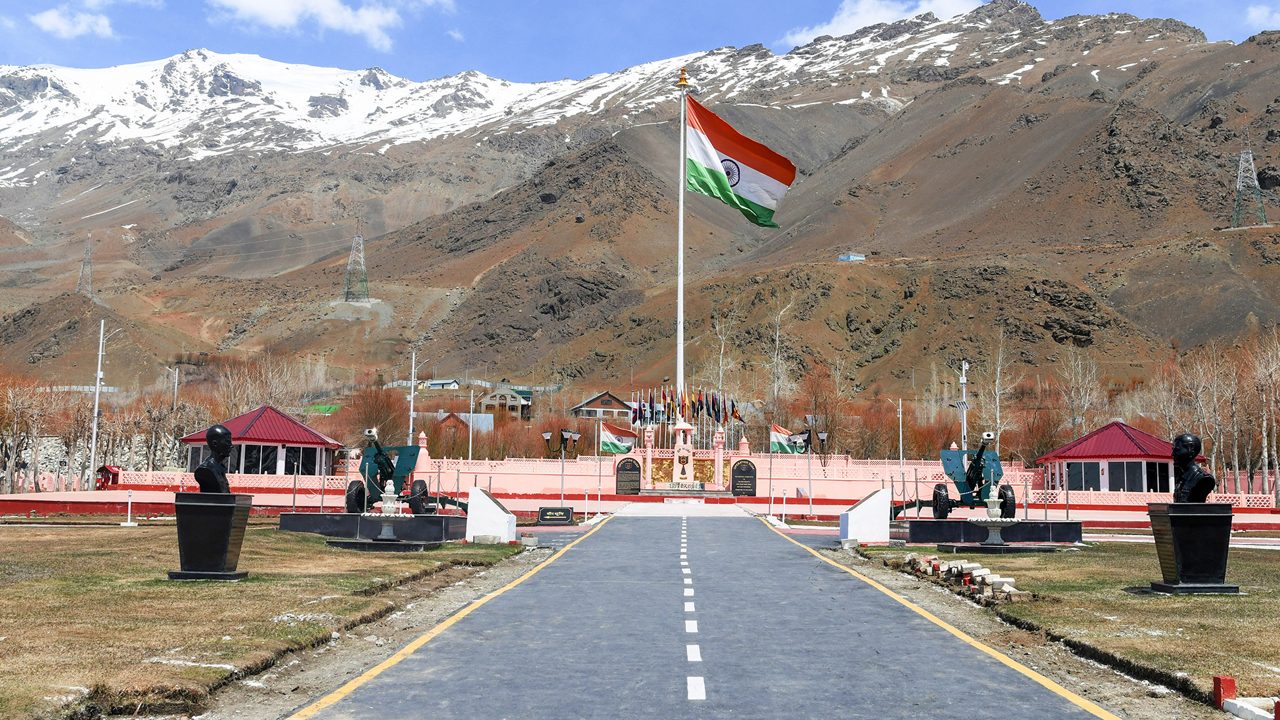
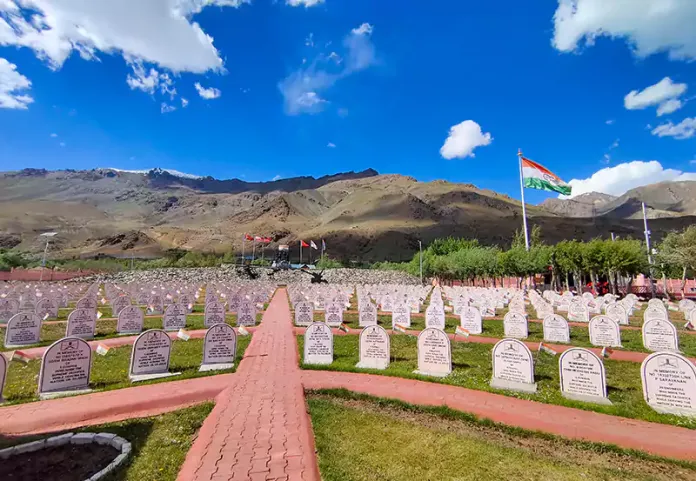
When you visit this region today, it is important to understand that the landscape is not only scenic. It is also a memorial geography marked by sacrifice. The most appropriate way to engage with this history is through official memorial sites, verified local narratives, and respectful conduct at war-related locations.
For detailed memorial context, include Kargil War Memorial Ladakh in your itinerary. It gives historical framing that makes any Tiger Hill route stop far more meaningful.
Can Civilians Visit Tiger Hill Directly?
This is one of the most common questions. In practice, civilian access to exact battle-sensitive points can be restricted or controlled based on local security protocols. Travelers should avoid relying on old route assumptions or unverified social posts claiming unrestricted access.
What Is Usually Practical for Visitors
- Visit official memorial and interpretation points in the Drass-Kargil region.
- Use local route viewpoints where civilian travel is permitted.
- Follow instructions from local authorities, military signage, and guides.
The right expectation is historical-region travel, not unsupervised tactical-point exploration.
Best Time to Visit Tiger Hill Region
Seasonal planning is crucial in this corridor. Snow, wind, and road conditions can significantly affect movement.
Best Window
- June to September: generally the most practical road-access period for most travelers.
- Late summer: often better for stable driving windows and visibility.
Shoulder and Winter Periods
- Early/late season travel depends on current road and weather status.
- Winter conditions are harsher and require advanced preparation.
| Season | Access Comfort | Travel Advice |
|---|---|---|
| Jun-Sep | High to moderate | Best for general visitors |
| Oct | Variable | Confirm road/weather before departure |
| Winter | Low/complex | Only with serious winter planning |
For larger route decisions, use best time to visit Ladakh and Ladakh in winter.
How to Reach Tiger Hill Area from Leh
Most travelers begin from Leh and follow the Kargil-Drass direction via the Srinagar-Leh highway corridor sections that are open in season. Distances and drive times depend on weather, traffic, and stop frequency.
Typical Route Logic
Leh -> Kargil side transit -> Drass region -> memorial and viewpoint circuit -> return/overnight
Planning Notes
- Start early and keep daylight buffer.
- Do not overpack too many far-apart stops in one day.
- Carry fuel, hydration, and weather layers.
- Check same-day advisories from local sources before moving.
Route pairing suggestions: Zoji La Pass Ladakh, Mushkoh Valley Ladakh, and Kargil Market Ladakh.
Trek and Terrain Reality
Some travelers search for a Tiger Hill trek in Ladakh. Terrain in this region is high-altitude, exposure-heavy, and historically sensitive. Most visitors should avoid framing this as a casual independent trek objective. Controlled, legal, and safety-compliant travel is the recommended mode.
Why Caution Is Necessary
- Altitude load is significant.
- Terrain can be unstable depending on weather.
- Security considerations may affect movement freedom.
- Medical support is limited compared with urban regions.
If your goal is purely trekking, choose designated Ladakh trek routes rather than attempting uncertain access in sensitive sectors.
Memorial Significance and Visitor Conduct
The Drass-Kargil belt should be experienced with reverence. If your itinerary includes memorials, keep behavior respectful and avoid loud or insensitive content creation. Take time to read commemorative installations and understand the human history behind the geography.
- Dress and behave appropriately at memorial sites.
- Do not climb restricted structures or cross barriers.
- Avoid drone use where prohibited.
- Do not treat memorial zones as entertainment stops.
A short, thoughtful visit is better than a rushed check-in style stop.
Suggested 2-Day Tiger Hill Region Itinerary
Day 1: Leh to Kargil/Drass Corridor
- Early departure from Leh.
- Transit breaks and altitude pacing.
- Reach base town with daylight margin.
Day 2: Memorial + Historical Circuit
- Visit official war memorial context points.
- Cover permitted viewpoints in Tiger Hill region belt.
- Return toward next planned base with buffer time.
This model gives better historical depth and lower fatigue than a forced same-day rush from Leh.
Altitude, Health, and Safety Checklist
| Safety Block | What to Do |
|---|---|
| Acclimatization | Spend sufficient time in Leh before long high-altitude drives |
| Hydration | Drink regularly and avoid dehydration during transit |
| Pacing | Use frequent short breaks instead of long overexertion windows |
| Emergency prep | Carry basic medication and maintain contact plan |
| Weather awareness | Recheck conditions before same-day sector movement |
High-altitude discomfort can affect even experienced travelers. Prioritize safe return over aggressive itinerary completion.
Photography Tips for Tiger Hill Region Visits
The region offers strong mountain and memorial-context photography potential, but choose respectful framing and safe positions.
- Use long-lens framing for distant ridge captures.
- Shoot early or late light for better contrast in mountain relief.
- Avoid standing near unstable road edges for angles.
- Respect photography restrictions at military or controlled locations.
If photography is a major focus, combine this route with photography spots in Ladakh.
Accommodation and Night Halt Strategy
Many travelers underestimate fatigue on the Leh-Kargil-Drass axis and attempt long same-day return plans. A better approach is to keep one controlled night halt in Kargil-side areas, then visit memorial and historical points with a clearer morning window. This reduces driving pressure and makes high-altitude movement safer.
- Best for families: overnight base with early next-day circuit.
- Best for bike groups: shorter day stages with buffer for weather.
- Best for history-focused travelers: slower schedule with memorial reading time.
If your itinerary is already dense, removing one non-essential distant stop often improves the Tiger Hill region experience significantly.
Respectful Travel Etiquette in War-History Zones
War-linked routes in Ladakh are not typical recreational landscapes. Travelers should avoid loud music at memorial points, careless flag usage, and insensitive social-media content. Keep interactions respectful with local residents and service personnel. A balanced approach is simple: learn first, photograph second, and move responsibly.
If you are traveling with children, explain basic historical context before arrival. This turns the visit into a meaningful educational experience rather than a fast photo halt.
Common Planning Mistakes to Avoid
- Treating Tiger Hill as a casual scenic detour without historical context.
- Attempting uncertain access routes based on old travel posts.
- Ignoring altitude and weather preparation.
- Overloading long drives with too many stops in one day.
- Skipping memorial interpretation and focusing only on quick photos.
Correcting these basics makes the journey safer and more meaningful.
Quick Pre-Departure Checklist
- Confirm latest road and weather status for Leh-Drass-Kargil sector.
- Keep valid photo ID and required travel documents accessible.
- Carry layered clothing for strong day-night temperature swings.
- Pack water, light snacks, medicines, and power backup.
- Fix one realistic day plan with buffer instead of overloading stops.
- Respect local restrictions and avoid entering sensitive zones.
This short checklist prevents most avoidable route problems and helps you focus on the historical value of the journey rather than last-minute logistics stress.
Final Takeaway
Tiger Hill Ladakh is best experienced as part of a respectful Kargil-Drass historical journey, not as a rushed checkpoint. Plan around season, road realities, and official guidance. Combine memorial context with practical route pacing, and you will come back with deeper understanding, not just photos.
For travelers interested in history-informed road trips, this region remains one of Ladakh's most significant and emotionally powerful travel circuits. Keep your schedule flexible, your expectations realistic, and your conduct respectful at every memorial-linked stop in the sector, with patience always, respectfully.
Location
Frequently Asked Questions
Q1.Where is Tiger Hill located in Ladakh?
Q2.How far is Tiger Hill region from Leh?
Q3.Why is Tiger Hill historically important?
Q4.Can civilians visit Tiger Hill directly?
Q5.Is there a Tiger Hill trek for tourists?
Q6.What is the best time to visit Tiger Hill area?
Q7.Do we need permits for Tiger Hill region travel?
Q8.Which nearby attractions should be combined with Tiger Hill route?
Recommended For You
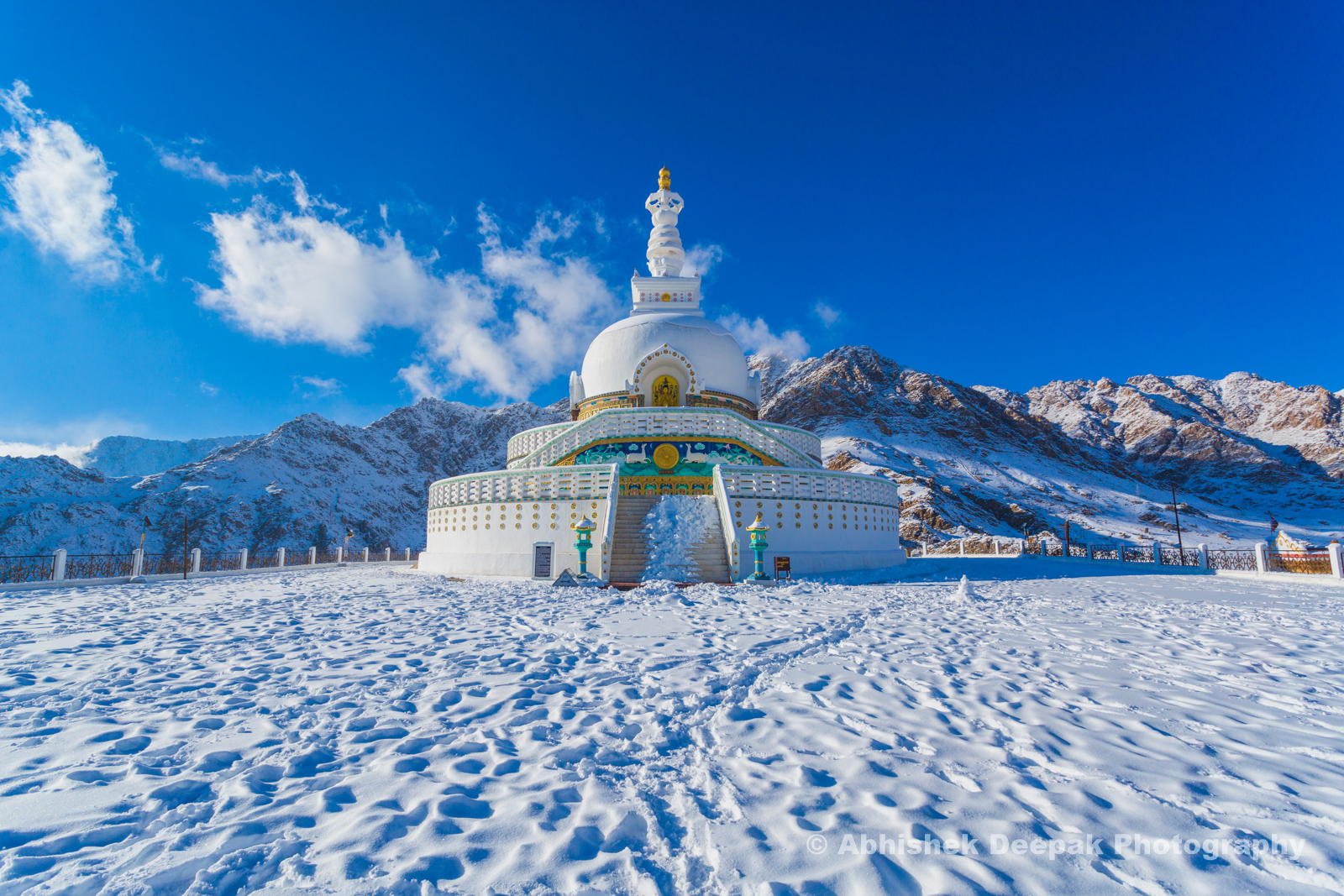
Ladakh in Winter: Weather, Access, Places & Travel Tips
Ladakh in winter guide with real temperature ranges, transport reality, places to visit, packing checklist, and safety-first itinerary tips.
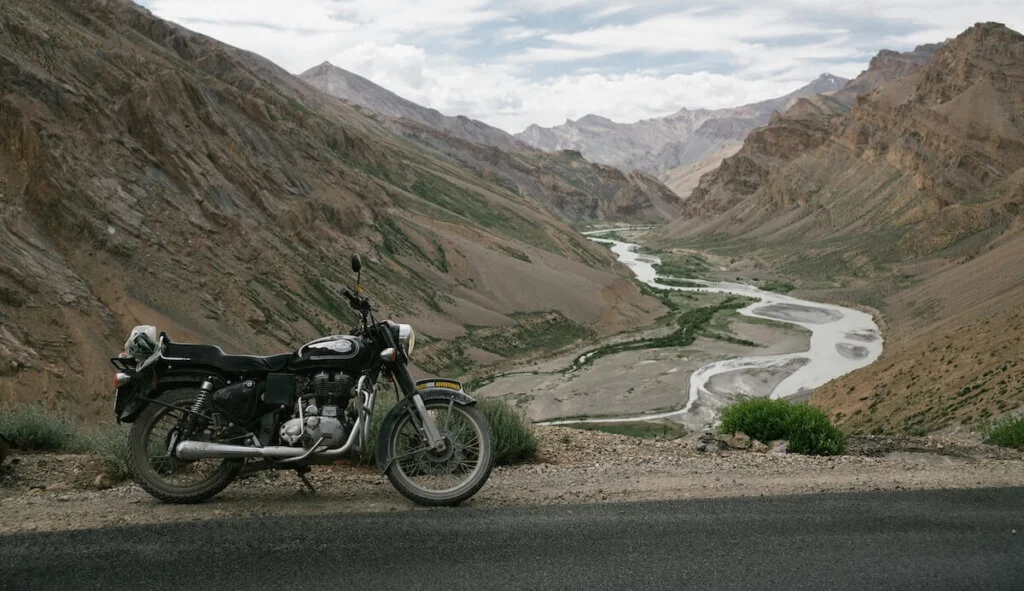
Leh Ladakh Bike Trip: Complete Route And Itinerary Plan
Plan Leh Ladakh bike trip with route choices, itinerary, cost, permits, acclimatization tips, and practical riding prep for a safer high-altitude ride.
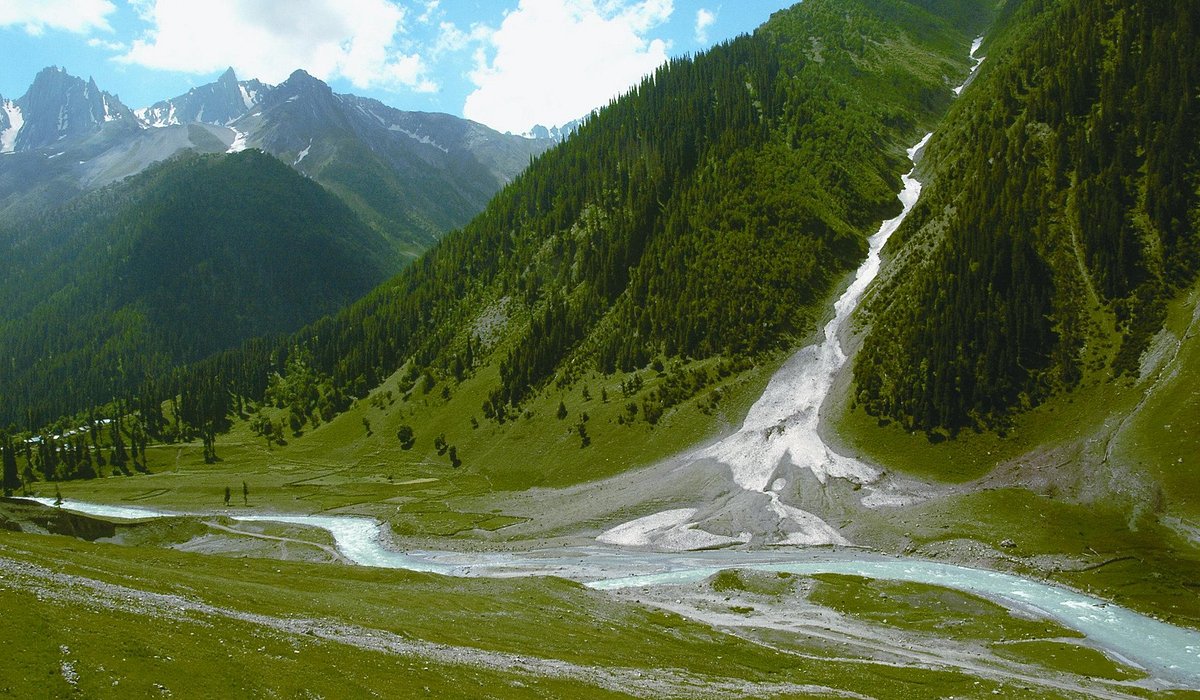
Best Places to Visit Kashmir: Complete Travel Guide 2026
Explore the best places to visit Kashmir including Srinagar Dal Lake, Gulmarg skiing, Pahalgam valleys, and complete travel guide.
Never Miss an Adventure
Get the latest trekking guides, travel tips, and exclusive offers delivered straight to your inbox.
