
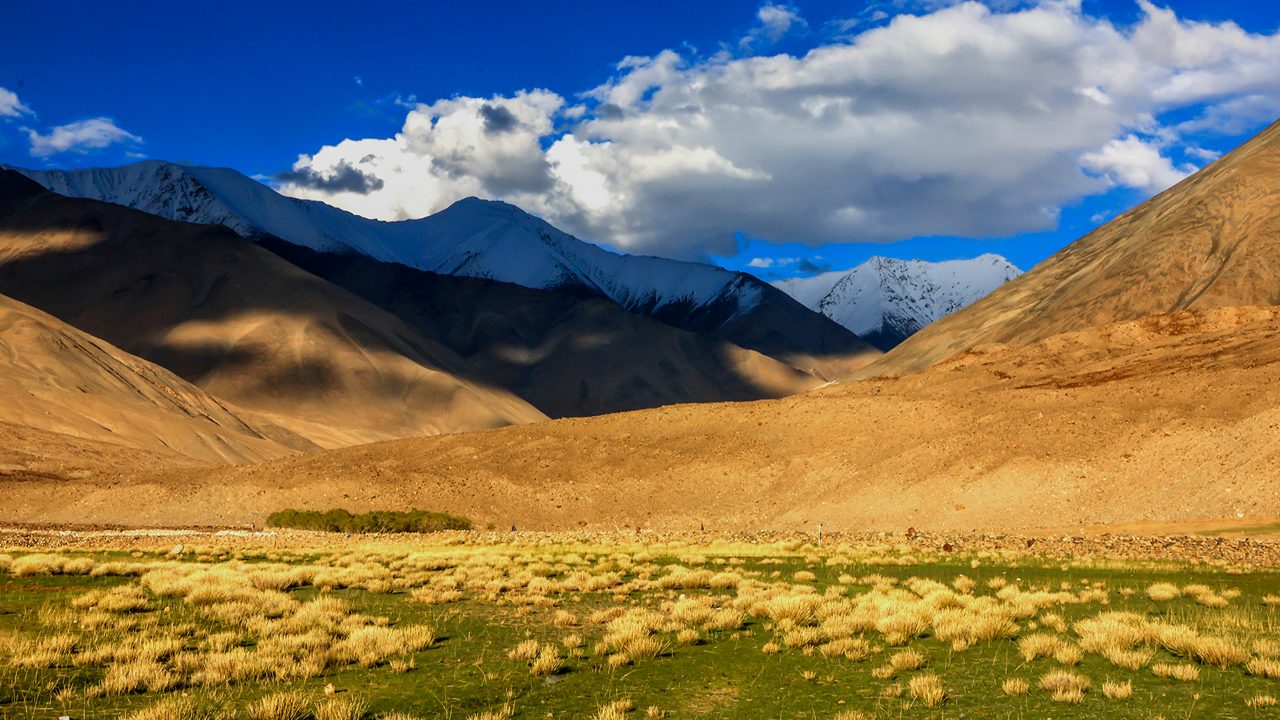
Changthang Wildlife Sanctuary Ladakh: Wildlife, Route & Stay Options
Rohan Malhotra
February 19, 2026
Plan Changthang Wildlife Sanctuary with wildlife highlights, Leh access routes, permit guidance, and altitude-safe travel tips for a responsible Ladakh trip.
Changthang Wildlife Sanctuary: Complete Guide to Ladakh’s High-Altitude Ecosystem
Changthang Wildlife Sanctuary in Ladakh is one of India’s most extraordinary high-altitude conservation landscapes. It is known for vast cold-desert terrain, remote wetlands, migratory bird habitats, and rare Himalayan wildlife adapted to extreme conditions. Unlike conventional wildlife parks, Changthang is about scale, silence, and ecological fragility. Visiting this region is a nature experience that demands preparation and responsible behavior.
This guide covers what makes Changthang unique, when to visit, how to plan access, what species you may observe, and how to travel responsibly. If you are building a wider Ladakh route, align this with flora and fauna of Ladakh and seasonal planning via best time to visit Ladakh for a more realistic itinerary.
Where Is Changthang and Why It Matters
Changthang lies in the eastern Ladakh region and includes extensive high-altitude plateaus and ecologically sensitive zones. The sanctuary is globally important for cold-desert biodiversity and trans-Himalayan species movement. Many travelers pass near these landscapes on broader Ladakh circuits but do not fully understand their ecological value.
This is not a zoo-style wildlife destination. Sightings depend on season, habitat zone, weather, and patience. The experience is about observing an extreme ecosystem respectfully rather than expecting guaranteed viewing at fixed points.
Wildlife You May Encounter
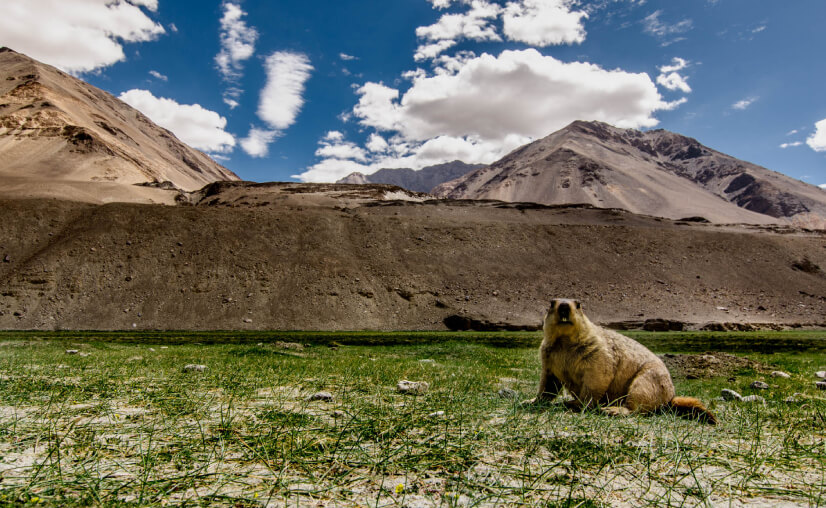
Changthang is associated with species such as Himalayan birds, high-altitude herbivores, and specialized fauna adapted to cold-arid conditions. In suitable seasons, wetlands in and around the region attract notable birdlife, while open plains may offer distant wildlife observation opportunities.
Wildlife viewing here requires long-lens patience and quiet movement. Avoid loud group behavior and never attempt close approaches for photographs. Disturbance can stress animals and damage fragile habitat patterns.
Best Time to Visit Changthang Wildlife Sanctuary
The best season depends on your objective: birding windows, landscape photography, or broader circuit travel. Road accessibility and weather stability are major planning factors. Shoulder transitions can be scenic but unpredictable, while core travel windows usually provide better operational consistency.
Always confirm current road conditions and local advisories before departure. Remote high-altitude regions can see sudden changes in weather and route status.
How to Reach and Plan the Route
Changthang is typically covered as part of an eastern Ladakh itinerary rather than a standalone quick trip. Route planning should include acclimatization days, fuel strategy, food and water logistics, and fallback options if weather conditions shift. Keep daily movement conservative because terrain and altitude can slow progress.
If you are planning a dedicated regional circuit, consider adding reference planning through Leh to Changthang bike trip and high-altitude readiness from acute mountain sickness in Ladakh.
Altitude and Health Considerations
Altitude impact is one of the biggest challenges in Changthang travel. Even if you are not trekking heavily, long exposure at high elevation can cause fatigue, headache, or breathing discomfort. Hydration, gradual ascent, and adequate rest are essential for safe movement.
Do not force tight schedules in this region. A slower pace gives better wildlife observation and reduces health risk. Travelers with prior altitude issues should consult medical guidance before planning remote high-altitude circuits.
Photography and Observation Ethics
Changthang offers exceptional visual opportunities: wide plains, dramatic sky textures, and reflective wetland frames. But good photography here depends on patience and distance discipline. Use zoom tools instead of approaching nesting or grazing zones.
Drone usage and intrusive movement can disturb wildlife habitats. Follow local regulations and avoid any action that may stress animals or damage natural ground cover.
What to Pack for Changthang
Carry layered thermal clothing, windproof shells, sunglasses, sun protection, gloves, water, high-energy snacks, and basic medical supplies. Weather can move from bright sunlight to cold wind quickly. Keep power backups and offline maps ready because network reliability in remote stretches can be limited.
If you are serious about wildlife viewing, pack binoculars and a long-lens setup with stabilization support. Minimal but purpose-driven gear works better than heavy casual packing at altitude.
Responsible Travel Rules in Fragile Ecosystems
Do not litter, do not feed wildlife, and avoid stepping into sensitive wetland patches. Keep vehicle movement on designated tracks and reduce unnecessary idling in quiet habitat zones. Ecological pressure in high-altitude systems has long recovery cycles, so small irresponsible actions can create lasting damage.
Choose local services that follow conservation-minded practices whenever possible. Responsible tourism strengthens long-term protection outcomes for remote wildlife regions.
Common Mistakes Travelers Make
The most common mistake is treating Changthang like a quick scenic stop instead of an ecosystem that needs time and care. Another issue is over-ambitious routing without accounting for altitude and road pace. People also underestimate weather protection and arrive underprepared for wind chill.
A realistic daily plan with fewer stops usually delivers better sightings and better safety than rushed movement across too many points.
How to Combine Changthang with Nearby Experiences
Changthang can be paired with nearby lake and pass circuits in Ladakh, but only when your acclimatization and route timing are stable. Keep one low-intensity day after long high-altitude drives. This improves recovery and trip sustainability.
For wider ecosystem context, you can connect this visit with beautiful lakes in Ladakh and cultural landscape planning through culture of Ladakh.
Sample Responsible Wildlife Day Plan
Morning: Start early for better observation light and reduced habitat disturbance. Use designated pull-over points and maintain silence. Midday: Limit unnecessary vehicle movement and focus on one or two quality observation zones instead of constant relocation. Evening: Exit sensitive sections before low-visibility conditions and review sightings responsibly without publishing precise nesting coordinates.
This method improves sighting quality while protecting fragile habitat areas from crowd pressure.
Conservation-First Visitor Checklist
Carry all waste back, avoid plastic litter, and never feed wildlife. Keep binocular distance ethics, no horn use near observation zones, and no loud music in open plains. If traveling in groups, appoint one person to enforce eco-rules during the day. Responsible visitor behavior is not optional in Changthang; it is central to preserving one of the most sensitive high-altitude ecosystems in the region.
Best Practices for Ethical Wildlife Photography
Wildlife photography in Changthang should prioritize habitat protection over close-up ambition. Use long focal lengths, avoid chasing movement, and never pressure drivers to approach animals for better angles. Maintain calm body language and low noise, especially around wetland and nesting areas. Ethical distance gives more natural behavior shots and reduces stress on species.
If you are sharing content online, avoid posting exact sensitive coordinates for rare sightings. Location overexposure can increase disturbance in fragile zones. Responsible documentation preserves both the ecosystem and the quality of future observation experiences for other travelers.
Carry reusable waste bags and assign one person in the group to ensure no litter is left behind at any stop. This simple rule dramatically improves responsible field behavior.
Use quiet observation intervals of at least 10-15 minutes at each point; wildlife activity often appears after vehicle movement settles and noise drops.
Whenever possible, support trained local naturalists; their field knowledge improves sightings while maintaining stronger conservation etiquette across visitor groups.
Final Takeaway
Changthang Wildlife Sanctuary is one of Ladakh’s most important natural regions and deserves careful, respectful exploration. The experience is not about fast checklists; it is about high-altitude ecology, quiet observation, and responsible travel.
Plan with acclimatization, weather awareness, and conservation ethics at the center. That is how Changthang becomes both a memorable journey and a meaningful nature experience.
Location
Frequently Asked Questions
Q1.Where is Changthang Wildlife Sanctuary located?
Q2.What is Changthang Wildlife Sanctuary famous for?
Q3.What animals can be seen in Changthang?
Q4.What is the best time to visit Changthang?
Q5.How can I reach Changthang from Leh?
Q6.Is Changthang a national park?
Q7.Is there an entry fee for Changthang Wildlife Sanctuary?
Q8.Are accommodations available in Changthang region?
Recommended For You
Acute Mountain Sickness in Ladakh: Prevention
Complete guide to Acute Mountain Sickness in Ladakh. Learn symptoms, prevention, medicines, acclimatization tips & safety measures for high-altitude travel.
Pangong Lake Ladakh: Best Time, Permit Rules & Stay Options
Complete Pangong Lake guide: best time to visit, permits, how to reach from Leh, stay options & travel tips.
Wildlife of Ladakh: Rare Animals, Birds & Best Sighting Season
Discover Ladakh's incredible wildlife - from elusive snow leopards to Himalayan brown bears, golden eagles, and black-necked cranes. Complete guide to wildlife species, best sanctuaries, and when to visit.
Never Miss an Adventure
Get the latest trekking guides, travel tips, and exclusive offers delivered straight to your inbox.
