
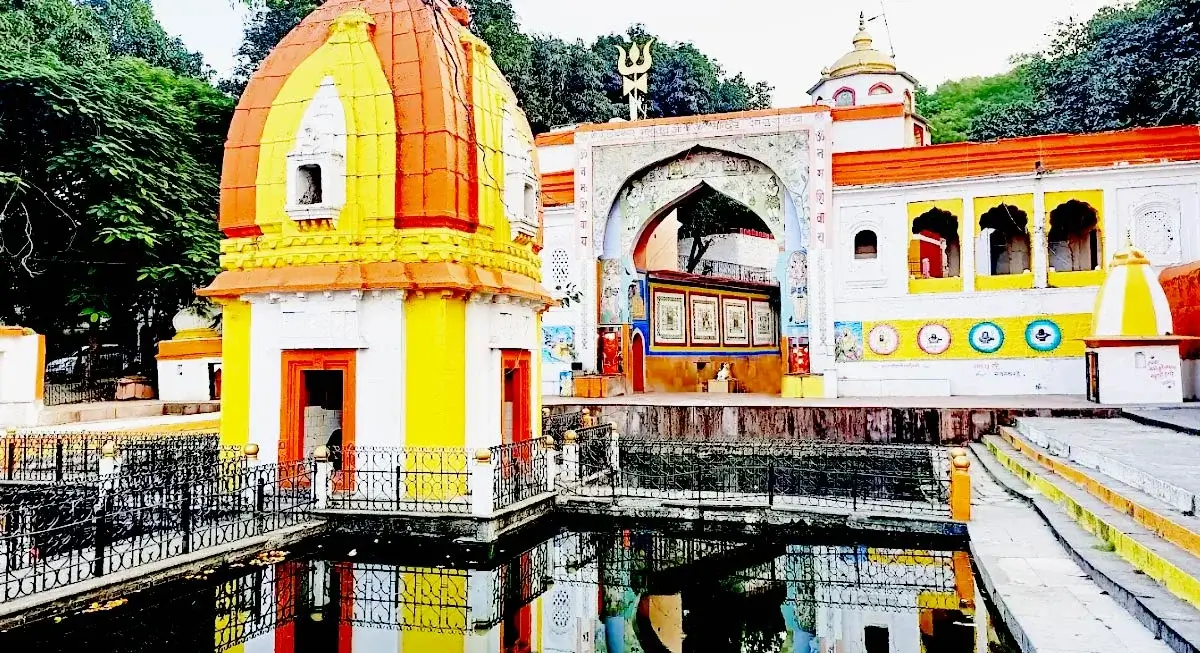
Devguradiya Temple Indore: Timings, History & Route Details

Rahul Garg
February 20, 2026
Plan your visit to Devguradiya Temple Indore with history, darshan timings, route options, ritual guidance, and nearby Indore attractions.
Introduction: Why Devguradiya Temple Matters in Indore
Devguradiya Temple Indore, also known by many locals as Devguradia Shiv Temple, is one of the city’s spiritually important Shiva shrines. While Indore is usually discussed for food streets and royal-era landmarks, this temple offers a different layer of the city: faith, local legend, and older religious continuity linked with the surrounding landscape. Many visitors combine it with other Indore temples, but devotees often come here specifically for Shiva worship, quiet prayer, and festival darshan.
The temple is associated with strong local belief traditions and is especially active during Shivratri and Shravan months. It is also known for its relatively calm environment compared to high-traffic city shrines. If you are planning temple visits in Indore, Devguradiya deserves a proper slot, not just a short stop. This guide covers history, architecture, rituals, timings, best visit windows, route details, and nearby attractions so you can plan respectfully and practically. For wider city context, pair this with places to visit in Indore, Khajrana Ganesh Temple, and Annapurna Temple Indore.
History and Local Legends of Devguradiya Temple
Like many old Shiva temples in central India, Devguradiya has a layered history where documented timelines and oral narratives exist together. Local accounts frequently connect the shrine to old worship traditions in the region and later patronage under the Holkar period. Across generations, the site has remained active as a living temple rather than a preserved monument, which means community memory is central to its identity.
Historical Association
Regional references commonly place the temple’s prominence during or after the Holkar era, when Indore and nearby sacred locations saw increased patronage and renovation. While exact construction chronology may vary across sources, the temple is widely treated as a historically rooted Shiva site with long devotional continuity.
Faith-Based Narratives
Devotees often describe the temple as a place where Shiva blessings are sought for stability, health, and family well-being. Like other Shiv temples in Madhya Pradesh, the shrine is closely tied to Shravan month observances and Mahashivratri fasting and night worship traditions.
As with many heritage-faith sites, local priest guidance is the best source for current temple-specific ritual details.
Architecture and Temple Layout
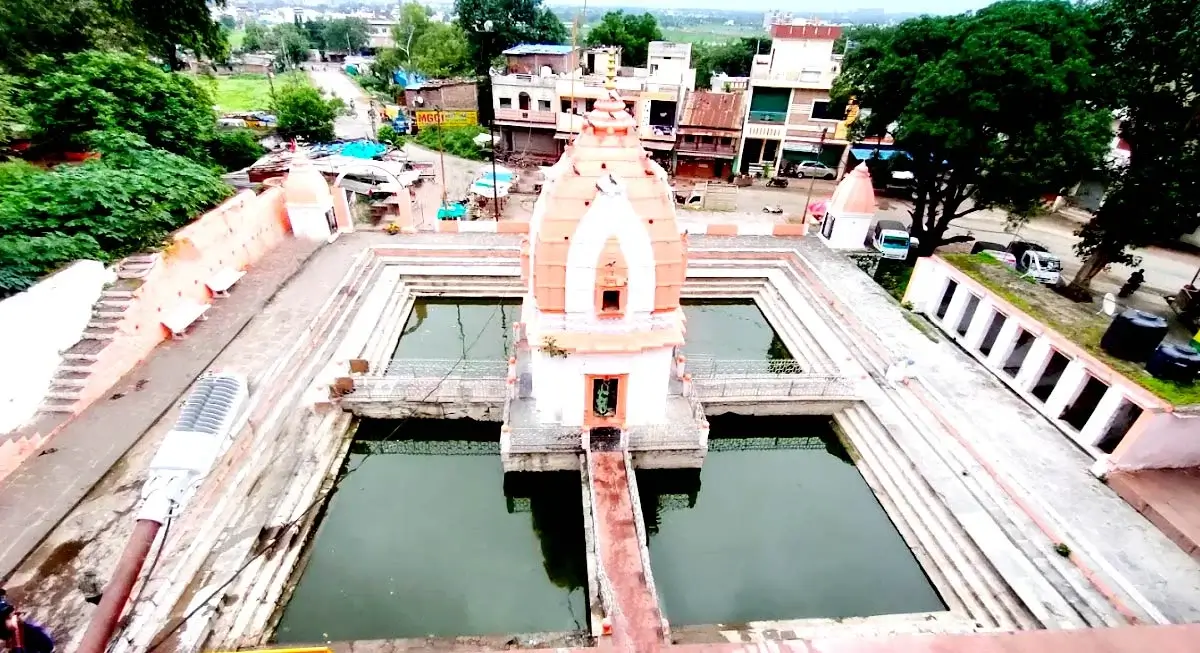
Devguradiya Temple reflects traditional Hindu temple elements with a practical, devotional design rather than grand monumental scale. The spiritual focus remains on darshan flow, ritual access, and temple-courtyard function.
Core Structural Features
- Garbhagriha: Central sanctum dedicated to Lord Shiva.
- Mandap area: Space for devotees waiting for darshan and participating in aarti.
- Shikhara profile: Typical upward temple form associated with North/Central Indian styles.
- Stone and plaster elements: Functional build with devotional additions over time.
The architecture is less about ornamental show and more about sacred utility. Frequent devotees value the temple for atmosphere and continuity of worship rather than only design complexity.
Spiritual Experience of the Space
Visitors often note that early morning and evening hours feel most spiritually immersive. Bell sounds, mantra recitation, incense, and continuous local participation create a grounded devotional environment that differs from purely tourist-oriented heritage sites.
Religious Significance and Ritual Culture
Devguradiya Temple is primarily a Shiva shrine and is visited by devotees across age groups for regular puja, vow offerings, and festival observances. The religious significance of the temple comes from active ritual tradition, not occasional ceremonial use.
Daily Worship Patterns
- Morning opening darshan for early devotees.
- Routine Shivling worship with water and traditional offerings.
- Evening aarti period with higher local participation.
- Special puja requests during auspicious days.

Major Festival Periods
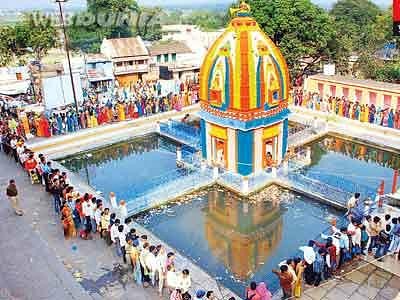
Mahashivratri is one of the most significant times at the temple, often drawing larger crowds and extended prayer activity. Shravan Mondays are also important for Shiva devotees and may see longer queues. Plan extra time if visiting during festival windows.
Devotional Etiquette
- Dress modestly and maintain temple decorum.
- Follow queue discipline and priest instructions.
- Avoid intrusive photography near active worship moments.
- Use designated spots for footwear and offerings.
Respectful conduct improves experience for both visitors and regular devotees.
Temple Timings, Aarti, and Darshan Planning
Timings reported across local sources usually indicate early morning opening and evening closure, with common visitor references around 6:00 AM to 9:00 PM. However, festival schedules and special puja days can alter operational timings. Always verify locally before finalizing a tight itinerary.
| Visitor Item | Typical Pattern | Planning Note |
|---|---|---|
| General opening window | Early morning to night | Often cited around 6 AM onward; verify same day |
| Morning darshan | Less crowded | Best for peaceful visit and shorter waits |
| Evening aarti period | Higher participation | Arrive early for smoother darshan |
| Festival days | Very crowded | Expect queue delays and parking pressure |
Best Darshan Time for Most Travelers
If your goal is calm temple time, weekday mornings are usually easiest. If your goal is devotional energy and collective prayer atmosphere, evening slots and auspicious days are more immersive but crowded.
How to Reach Devguradiya Temple from Indore
The temple lies in the broader Indore urban-peripheral zone and is commonly reached by road. Distance from major city points varies by your starting location, but many local references place it within manageable city-trip range.
By Private Car or Two-Wheeler
This is usually the most convenient option, especially for families combining multiple attractions in one day. Road connectivity is generally straightforward through commonly used Indore routes toward the temple side.
By Auto-Rickshaw or App Taxi
Auto and cab options are practical for travelers without self-drive access. App-based rides are useful for one-way visits, while return transport may be easier if pre-planned during late evening hours.
By Local Bus + Last-Mile
Public transport can be used depending on route and timing, but it may involve a final local transfer. If you have limited time, direct cab/auto is usually more efficient.
| Mode | Convenience | Best For |
|---|---|---|
| Private vehicle | High | Families and multi-stop itinerary |
| Auto/App cab | Medium to high | Tourists without self-drive |
| Bus + local transfer | Moderate | Budget travelers with flexible time |
Parking and On-Ground Access
Parking availability can vary by day and crowd level. On major festival days, arrive early to avoid congestion and long walk-ins from distant parking points.
Best Time to Visit Devguradiya Temple
The temple can be visited throughout the year, but comfort and crowd density differ by season and religious calendar.
Seasonal Planning
- October to February: Pleasant weather and comfortable temple visit conditions.
- March to June: Hotter daytime; early morning or late evening visits are better.
- Monsoon months: Green surroundings can be appealing, but plan for wet travel conditions.
Festival vs Non-Festival Visits
- Mahashivratri / Shravan: Spiritually vibrant but crowded.
- Regular weekdays: Better for quiet darshan and photography without crowd pressure.
If you are creating a spiritual itinerary rather than a festival trip, choose weekday mornings outside peak pilgrimage dates.
Nearby Attractions to Combine with Devguradiya Temple
You can build a full-day Indore circuit around Devguradiya by mixing temple, heritage, and food stops.
Religious and Heritage Stops
- Khajrana Ganesh Temple for another major devotional site.
- Kanch Mandir for Jain architecture and reflective interiors.
- Rajwada Palace for old-city historical context.
- Lal Bagh Palace for royal-era architecture.
Food and Evening Add-Ons
- Chappan Dukan for popular local snacks.
- Sarafa Bazaar for iconic night food culture.
This combination gives a balanced day of spirituality, history, and city flavor.
One-Day Practical Itinerary
| Time Block | Plan | Why It Works |
|---|---|---|
| 7:00 AM - 9:00 AM | Devguradiya Temple darshan | Lower crowd and peaceful worship window |
| 10:00 AM - 12:00 PM | Kanch Mandir / Rajwada zone | Efficient heritage cluster exploration |
| 1:00 PM - 3:00 PM | Lunch + rest | Avoid midday heat in warmer months |
| 4:00 PM - 6:00 PM | Khajrana Temple or Lal Bagh Palace | Balanced second-half itinerary |
| 8:00 PM onward | Sarafa food trail | Classic Indore evening experience |
Travel Tips for First-Time Visitors
- Carry water and light head covering in summer months.
- Keep cash for offerings and smaller local purchases.
- Follow local guidance on photography and ritual zones.
- Plan extra buffer during Mahashivratri and Shravan Mondays.
- Check same-day timing with temple staff or local contacts.
Simple preparation can make your temple visit smoother and more meaningful.
Visitor Dos and Donts for a Better Temple Experience
If this is your first visit, keep your plan simple and respectful. Reach early, avoid peak rush if you want peaceful darshan, and follow all queue directions given by local volunteers or temple staff. Carry only essentials, keep footwear in designated areas, and avoid loud conversation inside prayer spaces. During festival periods, traffic and queue time can increase significantly, so keep buffer time in your itinerary and avoid rigid back-to-back bookings.
- Do keep a small offering kit and water bottle.
- Do confirm same-day aarti and darshan timing at the temple.
- Do prioritize elders and children in queue management.
- Do not block ritual areas for photography.
- Do not rely on outdated timing posts during festive days.
These small habits make the visit smoother for you and more respectful for regular devotees.
Conclusion
Devguradiya Temple Indore is an important Shiva shrine for devotees and a valuable spiritual stop for travelers exploring Indore beyond mainstream tourist points. Its significance comes from active worship tradition, festival energy, and community continuity. If you approach it with respect, timing awareness, and practical route planning, the experience is both devotional and culturally enriching.
Combine it with Indore’s other temple and heritage landmarks for a complete one-day circuit. Continue your city planning with places to visit in Indore, street food in Indore, and Gandhi Hall Indore.
Location
Frequently Asked Questions
Q1.Where is Devguradiya Temple located in Indore?
Q2.What are the timings of Devguradiya Temple?
Q3.What is Devguradiya Temple known for?
Q4.Is there an entry fee at Devguradiya Temple?
Q5.How can I reach Devguradiya Temple from Indore city center?
Q6.Which is the best time to visit Devguradiya Temple?
Q7.Can I combine Devguradiya Temple with other Indore attractions in one day?
Q8.What should I wear when visiting Devguradiya Temple?
Recommended For You
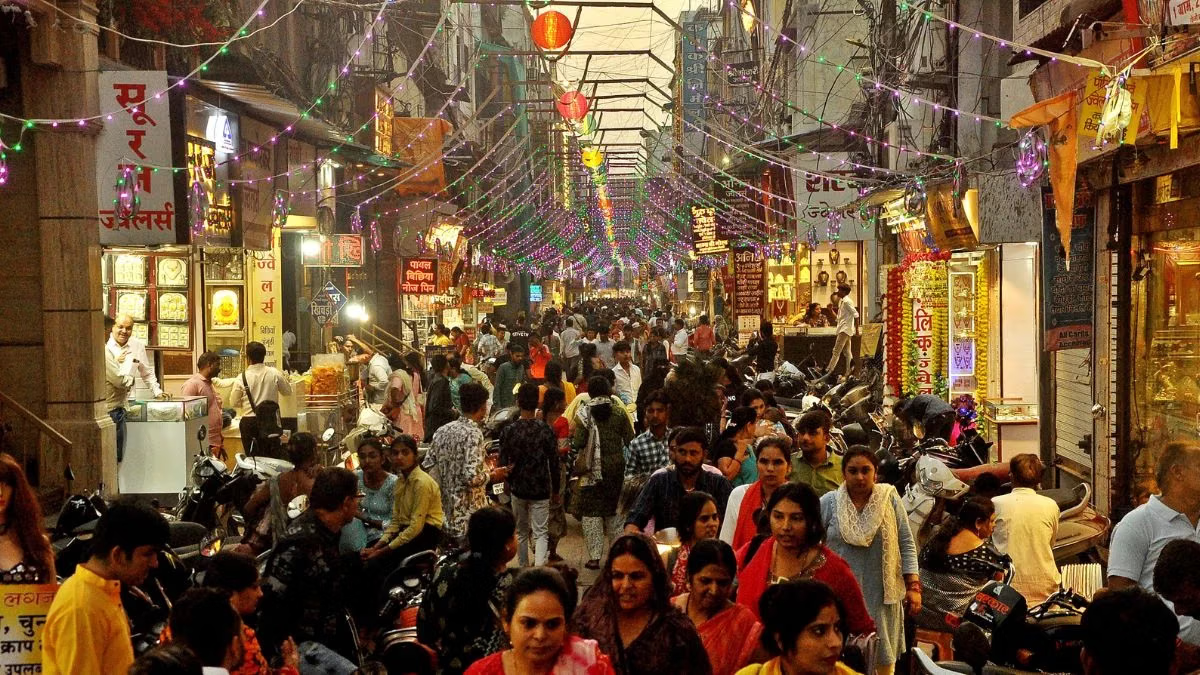
Sarafa Bazaar Indore: Night Street Food, Timings & Must-Try Stalls
Explore Sarafa Bazaar Indore with best timings, must-try street food, market navigation tips, and a practical plan for your night food crawl.
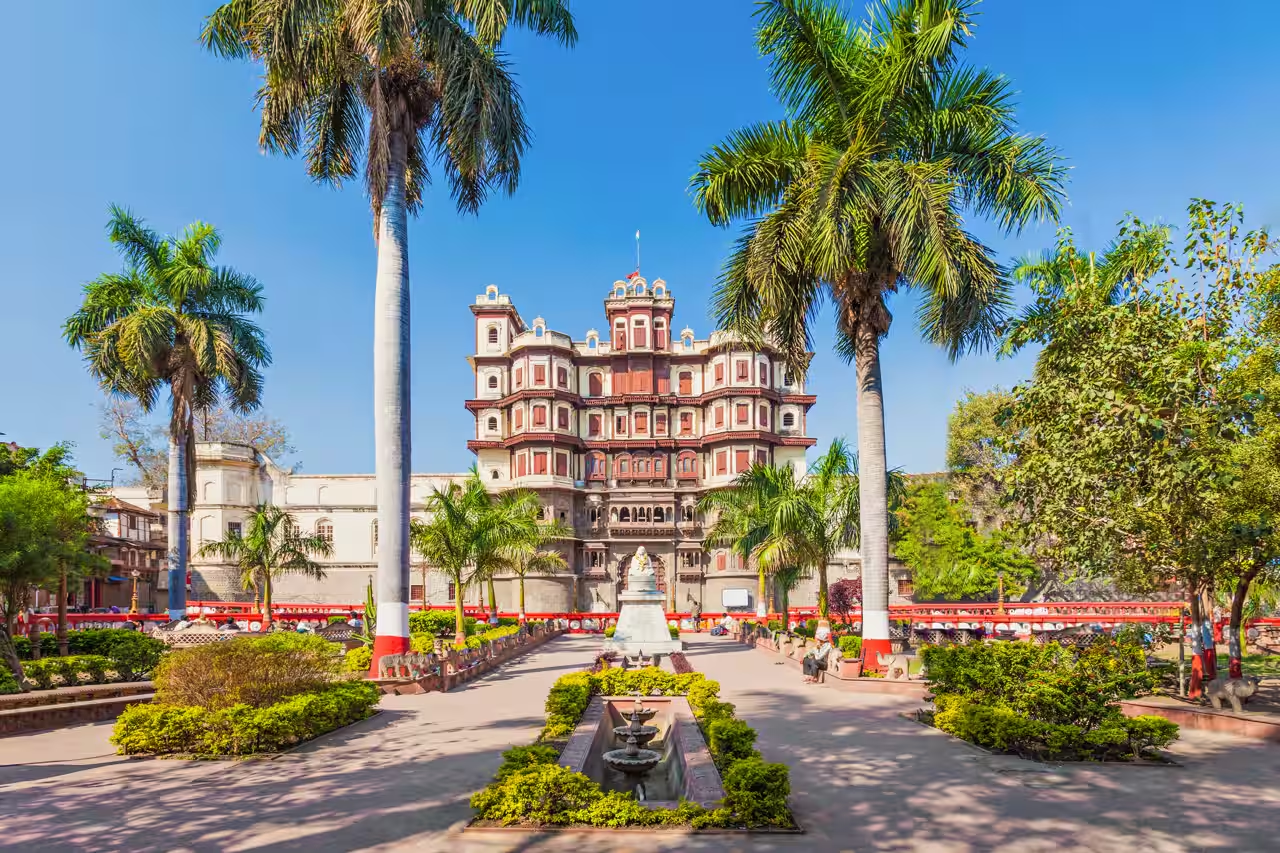
Indore: 15 Best Places to Visit - Food and Heritage
Explore the best places to visit in Indore, from Rajwada Palace and temples to Sarafa Bazaar food trails, museums, and easy one-day itineraries.
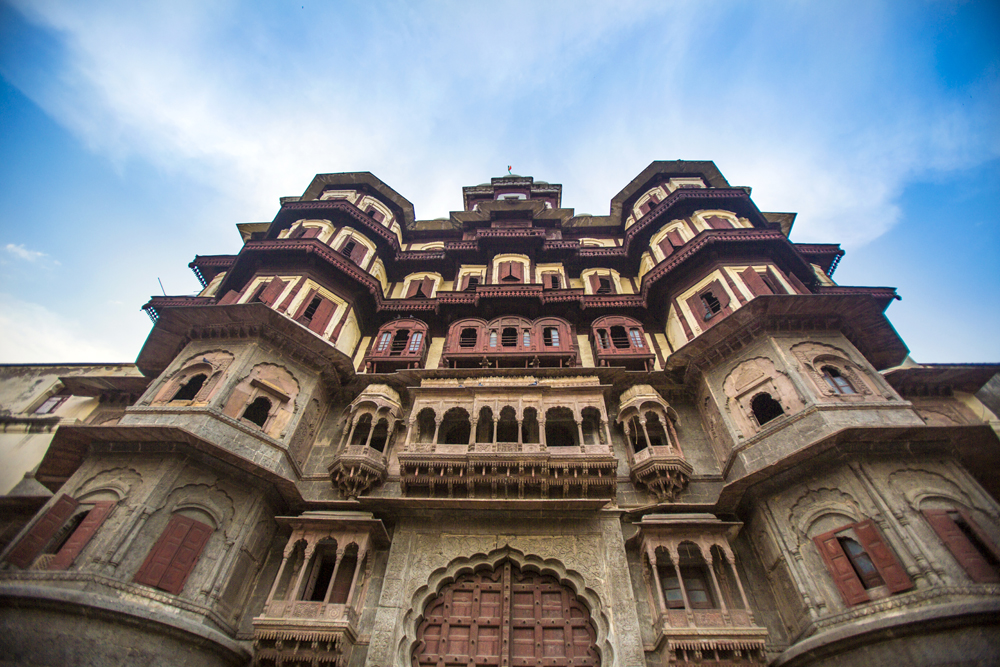
Rajwada Palace Indore: History, Timings & Visitor Information
Discover Rajwada Palace, the historic seven-storey Holkar palace in Indore. Explore its Maratha architecture, royal history, light show timings, and practical visitor guide.
Never Miss an Adventure
Get the latest trekking guides, travel tips, and exclusive offers delivered straight to your inbox.
