
Gette Village Spiti: Kaza's Hidden Gem
Rahul Garg
November 20, 2025
Visit Gette Village in Spiti Valley. Complete guide with homestays, trek from Kaza, altitude, best time & how to reach this hidden gem.
A Traditional Hamlet Above Kaza
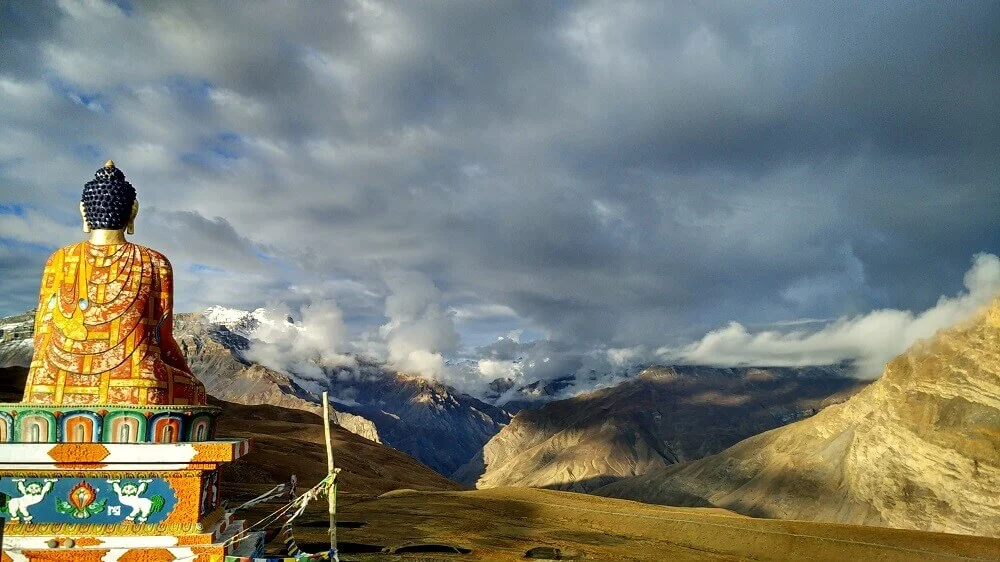
Perched high above Kaza town, at an altitude of approximately 3,800 meters (12,500 feet), lies Gette Village (also spelled Gete Village) - one of Spiti Valley's most authentic and least-visited traditional settlements. This small hamlet of 50-60 houses offers travelers a rare glimpse into traditional Spitian life that has remained largely unchanged for centuries. Far from the tourist trail that passes through Kibber, Hikkim, and Langza, Gette rewards those who make the effort to reach it with stunning panoramic views, warm hospitality, and a peacefulness that's increasingly hard to find in our busy world.
What makes Gette special isn't any single monument or attraction - it's the village itself. The traditional mud and stone houses, the fields of barley and peas, the prayer flags fluttering in the wind, the yaks grazing on the hillsides, and above all, the slow rhythm of life dictated by the seasons rather than clocks. This is a place where you can experience Spiti as it has been for generations, before modern tourism began reshaping parts of the valley.
About Gette Village
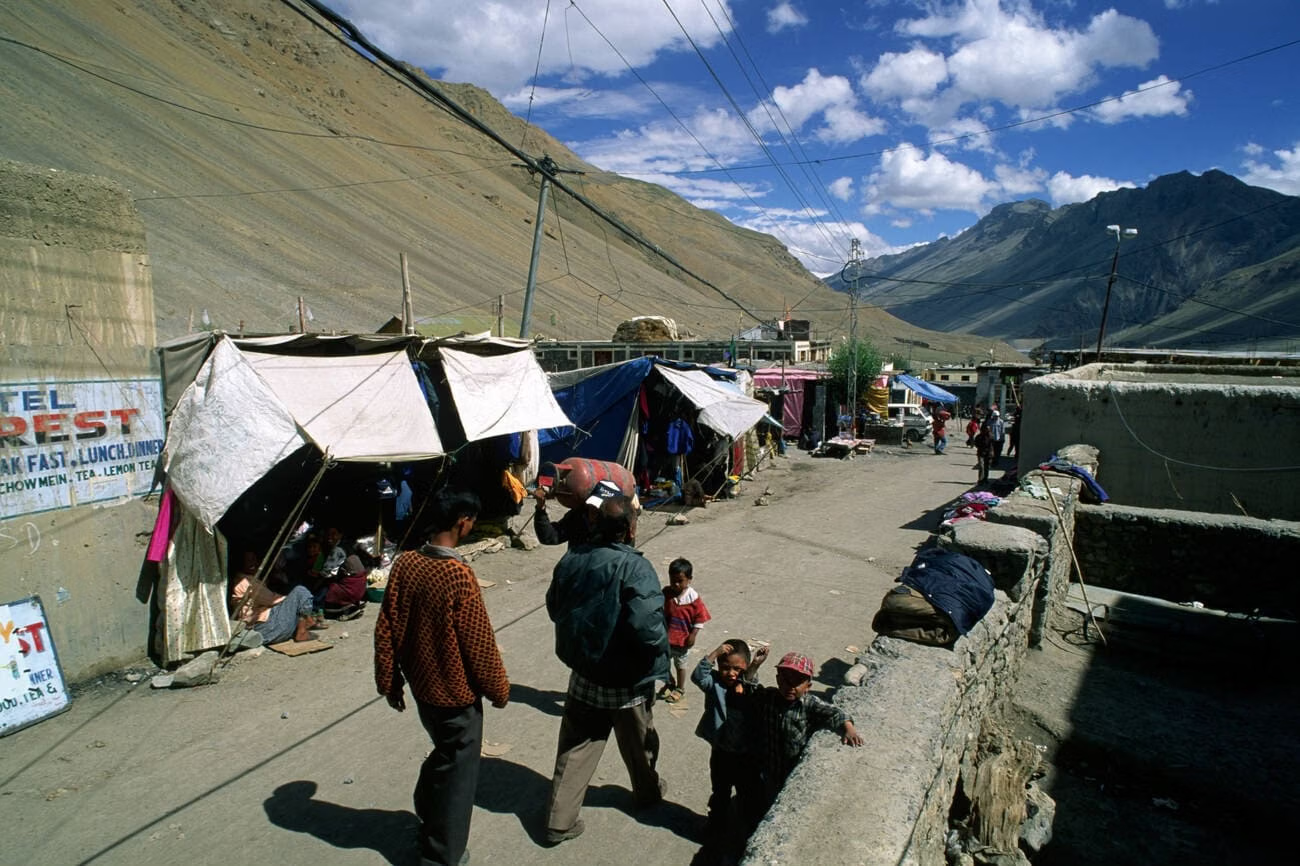
Gette Village is located just 5 kilometers from Kaza as the crow flies, but at a significantly higher elevation. The village sits on a mountainside overlooking the Spiti Valley, with spectacular views of Kaza below and the surrounding snow-capped peaks. The name Gette (or Gete) comes from the local Spitian language and roughly translates to "high place" - an appropriate name for this elevated settlement.
The village consists of approximately 50-60 traditional houses, each built in the classic Spiti architectural style: thick mud-brick walls designed to insulate against the extreme cold, flat roofs that serve as additional living space in summer, and white-washed exteriors that reflect the harsh sunlight. Most houses are two stories, with the ground floor used for storage and animals, and the upper floor for living quarters.
Agriculture is the mainstay of life in Gette, as it has been for centuries. Farmers here grow barley (the staple crop of Spiti), peas, and potatoes. The short growing season - barely 4-5 months - means every day of summer is precious, with villagers working from dawn to dusk to cultivate their fields and store enough food for the long winter when the village is snowbound.
Animal husbandry complements agriculture. Every family owns yaks, cows, or sheep (sometimes all three), which provide milk, meat, and wool. Yaks are particularly important - they're used as pack animals, provide warm milk, and their dung is dried and used as fuel in this treeless landscape. In summer, you'll see herds grazing on the high pastures, looked after by children who've been given the day off school for this important task.
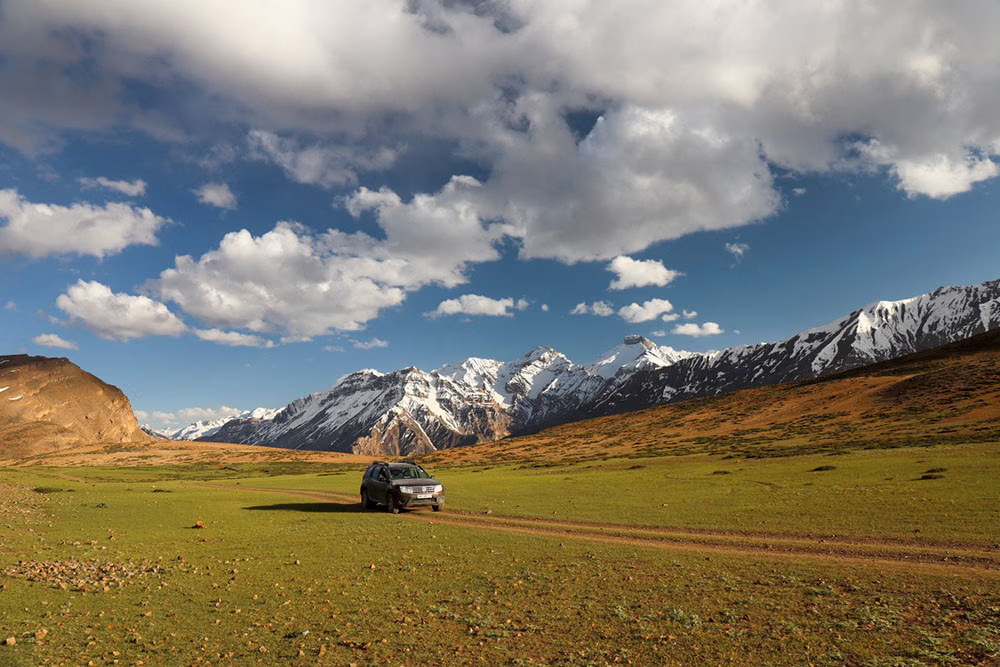
Despite its proximity to Kaza, Gette feels worlds away. There's no road directly to the village - access is either by a 2-3 hour trek or via a rough 4WD track that's passable only in dry weather and requires a skilled driver. This isolation has preserved Gette's traditional character, making it one of the most authentic Spiti experiences available to travelers.
The Trek Experience
For most visitors, reaching Gette Village is part of the adventure. The trek from Kaza is short (5 kilometers one way) but rewarding, offering stunning views that get better with every step. For those planning a longer trip, an 8-day Spiti Valley trip often includes visits to several remote villages like Gette.
Trek Details
Starting Point: The trek begins from Kaza town. You can ask locals for directions to the trailhead - most know it simply as "the path to Gette."
Distance: 5 kilometers one way (10 kilometers round trip)
Duration: 2-3 hours up, 1.5-2 hours down
Difficulty: Easy to moderate. The trail is well-defined and not technically difficult, but the altitude makes it more strenuous than it would be at lower elevations.
Best Time to Start: Early morning (7-8 AM) to avoid afternoon heat and return to Kaza with plenty of daylight.
The Trail
The trail starts by climbing out of Kaza, initially following a rough jeep track that gradually becomes a footpath. The first section passes through some abandoned fields and then begins climbing in earnest. The path is well-trodden - locals have been walking this route for generations - and generally easy to follow.
As you climb, Kaza grows smaller below you and the views of the Spiti Valley open up. The trail winds through a landscape of brown mountains, green fields, and wildflowers (in summer). You'll likely see marmots darting among the rocks, and if you're lucky, Himalayan birds like lammergeiers or golden eagles soaring overhead.
About halfway up, the trail levels briefly as it passes through a small saddle - a good place to catch your breath and take photos. From here, Gette is visible ahead, perched on the mountainside. The final section climbs more steeply before reaching the village outskirts.
The trek is challenging mainly because of the altitude. At nearly 4,000 meters, even moderate exercise can leave you breathless. Take your time, stay hydrated, and don't be embarrassed to take frequent breaks - the locals, who are acclimatized to this elevation, will tell you this is normal.
Tips for the Trek
- Start Early: Morning light is best for photography, and you'll avoid the heat of midday.
- Bring Water: There are no water sources on the trail. Carry at least 2 liters.
- Wear Good Shoes: The trail is rocky and uneven. Hiking boots or sturdy sneakers are essential.
- Carry Snacks: Energy bars, nuts, or chocolate will help keep your energy up.
- Weather Protection: A hat, sunscreen, and windbreaker are essential. Weather can change quickly.
- Camera: The views are spectacular and deserve to be captured.
- No Guide Needed: The trail is straightforward and can be done independently.
Homestays & Accommodation
For those wanting to experience village life firsthand, Gette offers a few basic homestays that provide an authentic window into Spitian culture and hospitality.
Homestay Options
There are 2-3 homestays in Gette, all run by local families who welcome travelers into their homes. These aren't commercial establishments but family homes that take in guests when available. Rooms are simple but clean - typically a traditional Spiti room with a wooden bed covered in thick blankets (essential, even in summer, when nights drop to near freezing).
Facilities are basic but sufficient. Most homestays now have attached toilets, though these are usually dry or compost-style rather than flush. Running water may not be available - you'll be provided with a bucket of hot water for washing if needed. Electricity is limited to a few hours in the evening via solar power, and there's certainly no Wi-Fi or mobile network.
What these homestays lack in modern amenities, they make up for in warmth and authenticity. Your hosts will likely welcome you with salt tea (the local specialty) and involve you in household activities if you're interested. Many travelers find the opportunity to help with cooking, work in the fields, or simply sit and talk with the family to be the highlight of their Spiti experience.
Food
Homestay meals are simple, hearty, and delicious - exactly what you need after a trek at high altitude. Expect:
- Momos: Steamed dumplings filled with vegetables or meat (usually yak or mutton)
- Thukpa: Noodle soup with vegetables and/or meat
- Local Dishes: Traditional Spiti preparations with barley, often similar to Tibetan cuisine
- Tea: Salt tea (butter tea) is the local specialty, though sweet milk tea is also available
- Bread: Fresh roti or local bread made from barley flour
Food is prepared fresh using local ingredients. Much of it comes from the family's own fields - the barley in your roti was likely grown just outside the window. Meals are eaten communally, often in the kitchen with the family, making for a wonderfully social experience.
Booking and Cost
Homestays in Gette don't typically accept advance bookings - you just show up and ask. This casual system works because the village sees few visitors, and there's almost always space. If not, hosts will help you find another family.
Costs are very reasonable by any standard: approximately ₹500-800 per night including all meals. This covers your accommodation, dinner, breakfast, and often a packed lunch if you're trekking further. Payment is usually in cash - there's no card payment acceptance or digital payment in Gette.
Village Life & Culture
Spending time in Gette offers a fascinating insight into traditional Spitian village life that has changed little over centuries.
Architecture
The traditional Spiti house is a marvel of practical design suited to the harsh climate. Thick mud-brick walls (often 2-3 feet thick) provide insulation against extreme cold. Flat roofs are built with layers of wood, mud, and grass, designed to bear heavy snow loads in winter. Houses typically face south to maximize solar gain during short winter days.
Most homes are two stories. The ground floor, accessed through a small door that keeps heat in, is used for storage and housing animals during winter. The upper floor is the living area, with rooms for cooking, sleeping, and receiving guests. Many houses have a small prayer room or shrine containing Buddhist statues, thangkas, and butter lamps.
Agriculture and Animal Husbandry
Life in Gette revolves around the agricultural calendar. Winter (November-April) is a time of relative inactivity - the village is snowbound, animals are kept indoors, and families focus on survival and domestic crafts. Spring brings the thaw and preparation of fields for planting. Summer is the busiest season - every day counts for cultivating crops.
Barley is the most important crop. It's used to make tsampa (roasted barley flour, a staple food), chang (local beer), and animal feed. Peas and potatoes supplement diets. Everything is grown organically - there are no pesticides or fertilizers available here, and none are needed in this pristine environment.
Every family owns animals - yaks, dzo (yak-cow hybrids), cows, sheep, or goats. These provide milk, butter, meat, wool, and transportation. Yaks are particularly valued - they're strong enough to carry heavy loads over mountain passes, produce rich milk, and their dung is the primary fuel source in this treeless region.
Religion and Spirituality
Like the rest of Spiti, Gette is predominantly Buddhist. The village has a small chapel (lhakhang) where residents gather for prayers and ceremonies. Prayer wheels, prayer flags, and chortens (stupas) are scattered throughout the village, constant reminders of the spiritual dimension of daily life.
Buddhism here isn't just religion - it's a worldview that influences everything. The compassion taught by Buddha is reflected in how villagers treat each other and visitors. The belief in karma influences decisions and behavior. And the practice of mindfulness is evident in the unhurried, present-focused way of life.
Modern Influences
Gette isn't completely untouched by modernity. Solar panels provide electricity for a few hours each day. Satellite dishes appear on some roofs. Children attend school in Kaza and return with stories of the outside world. Mobile phones exist (though there's no network in the village itself).
But what's remarkable is how traditional life remains at the core. Houses are still built the old way, crops are still harvested by hand, and community ties remain strong. Modern conveniences are adopted, but they don't define life here. This balance between tradition and selective modernization is one of Gette's most interesting aspects.
Best Time to Visit
Choosing when to visit Gette depends on what you want to experience:
Summer (June-September): This is the only practical time to visit. The weather is pleasant (15-20°C daytime), the trek is snow-free, and homestays are operational. This is also when the village is at its most vibrant, with agricultural activity in full swing and families at their busiest. Days are long, giving you plenty of time to explore.
July-August: Peak summer, when the valley is greenest and wildflowers bloom. This is the best time for photography, with clear skies and dramatic landscapes. However, these are also the months when Spiti sees the most tourists (though still very few compared to other Himalayan destinations).
September-October: Autumn brings clear air and crisp temperatures. The landscape turns golden as crops ripen and are harvested. This is harvest season - a fascinating time to see villagers bringing in the barley and peas that will sustain them through winter. Days are shorter and colder, but the clarity of light makes for spectacular photography.
Winter (November-May): Not recommended for casual visitors. The village is snowbound, temperatures drop to -30°C, and most families move to lower elevations. Only experienced winter mountaineers with proper equipment and support should attempt winter visits.
Recommended: July-September for the best balance of accessibility, weather, and village life activity. Plan for at least one full day - trek up in the morning, explore the village during the day, and either stay overnight or trek back to Kaza by late afternoon.
How to Reach from Kaza
Getting to Gette from Kaza requires either trekking or hiring a 4WD vehicle with an experienced driver:
By Trek (Recommended)
The trek is the most rewarding way to reach Gette, allowing you to fully experience the landscape and acclimatize gradually to the higher elevation. The 5-kilometer trail takes 2-3 hours and is well-defined. Start early (7-8 AM) from Kaza, carry plenty of water and snacks, and take your time - the altitude makes even moderate exercise challenging.
The route is straightforward and doesn't require a guide. However, if you want someone to explain local flora, fauna, and culture along the way, ask in Kaza - there are usually local guides available for a reasonable fee.
By Vehicle
A rough 4WD track connects Kaza to Gette, but it's only passable in dry weather and requires an experienced driver familiar with the route. The track is steep, narrow, and in places quite scary - not recommended for nervous passengers.
If you choose this option, hire a taxi in Kaza. Most drivers know the way, but show them photos of Gette to be sure. The drive takes about 45 minutes each way. Costs are around ₹2,000-3,000 for a round trip, depending on how long you want to stay in the village.
Tips for the Journey
- Acclimatize First: Spend at least 2-3 days in Kaza before attempting the trek or drive to Gette. The altitude gain is significant.
- Check Weather: Don't attempt the journey if it's raining or snowing - the trail becomes treacherous.
- Start Early: Whether trekking or driving, start in the morning. Afternoon weather in the mountains is less predictable.
- Inform Someone: Let your guesthouse in Kaza know you're going to Gette and when you expect to return.
- Return Before Dark: Plan to be back in Kaza by late afternoon. Navigation becomes difficult in the dark.
Nearby Attractions
Gette is perfectly positioned for exploring some of Spiti Valley's most famous attractions:
- Kaza: Spiti's main town, just below Gette. Has hotels, restaurants, ATM, fuel station, and medical facilities.
- Kye Monastery: About 14 km from Kaza, this is Spiti's largest and most famous monastery. Perched on a hilltop with panoramic views, it's home to about 70 monks and an impressive collection of ancient scriptures and thangkas.
- Kibber Village: One of the highest inhabited villages in the world, connected by road and with spectacular scenery. About 20 km from Kaza.
- Langza Village: Famous for its giant Buddha statue and fossil-rich area. The landscape here is otherworldly, with geological formations that look like they belong on another planet.
- Hikkim: Home to the world's highest post office (14,400 feet). You can mail postcards from here - a unique souvenir!
- Komic: At 4,587 meters, one of the highest villages in the world accessible by motorable road. Has a small monastery and stunning views.
- Chandratal Lake: The spectacular "Moon Lake" can be visited as a long day trip from Kaza, though it's better to camp overnight.
Gette Village offers something increasingly rare in our modern, connected world: an opportunity to step into a traditional way of life that has remained largely unchanged for centuries. Whether you trek up for the day or stay overnight in a homestay, the experience of simple mountain living, warm hospitality, and stunning high-altitude scenery will stay with you long after you've returned to the lowlands. As you sip salt tea with your host family, watching the sun set over mountains that haven't changed in millennia, you'll understand why travelers who make the effort to reach Gette count it among their most meaningful Himalayan experiences.
Location
Frequently Asked Questions
Q1.Where is Gette Village located in Spiti?
Q2.How far is Gette Village from Kaza?
Q3.What is the altitude of Gette Village?
Q4.How to reach Gette Village from Kaza?
Q5.Is there a road to Gette Village?
Q6.How long is the trek to Gete Village?
Q7.Are there homestays in Gette Village?
Q8.What is there to do in Gete Village?
Recommended For You
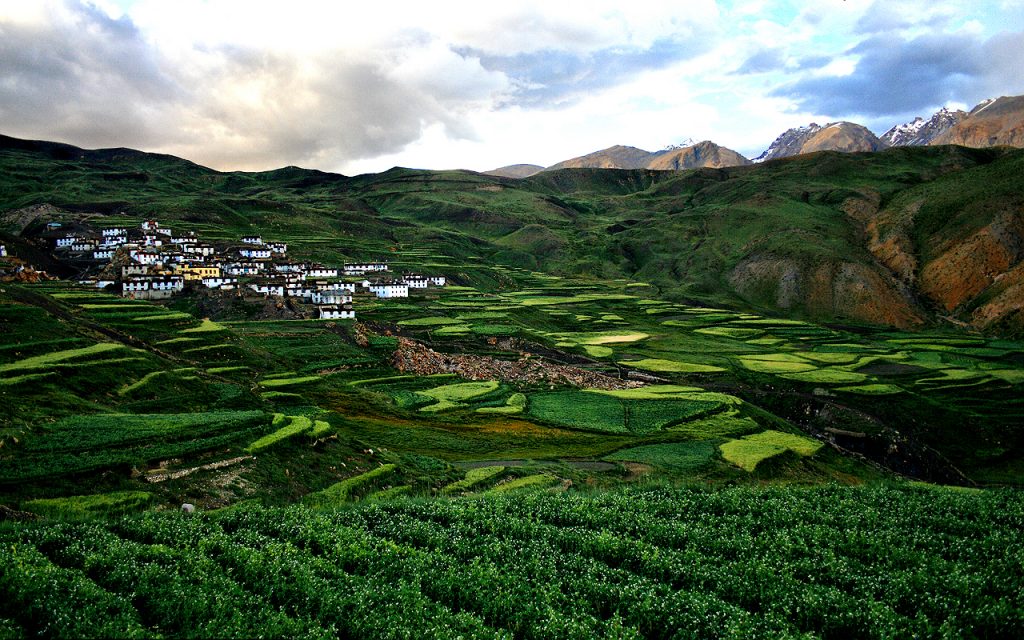
Demul Village Spiti: Homestays, Culture & Valley Views
Visit Demul Village in Spiti Valley. Know homestays, altitude, how to reach, trekking & traditional village life in Himalayas.
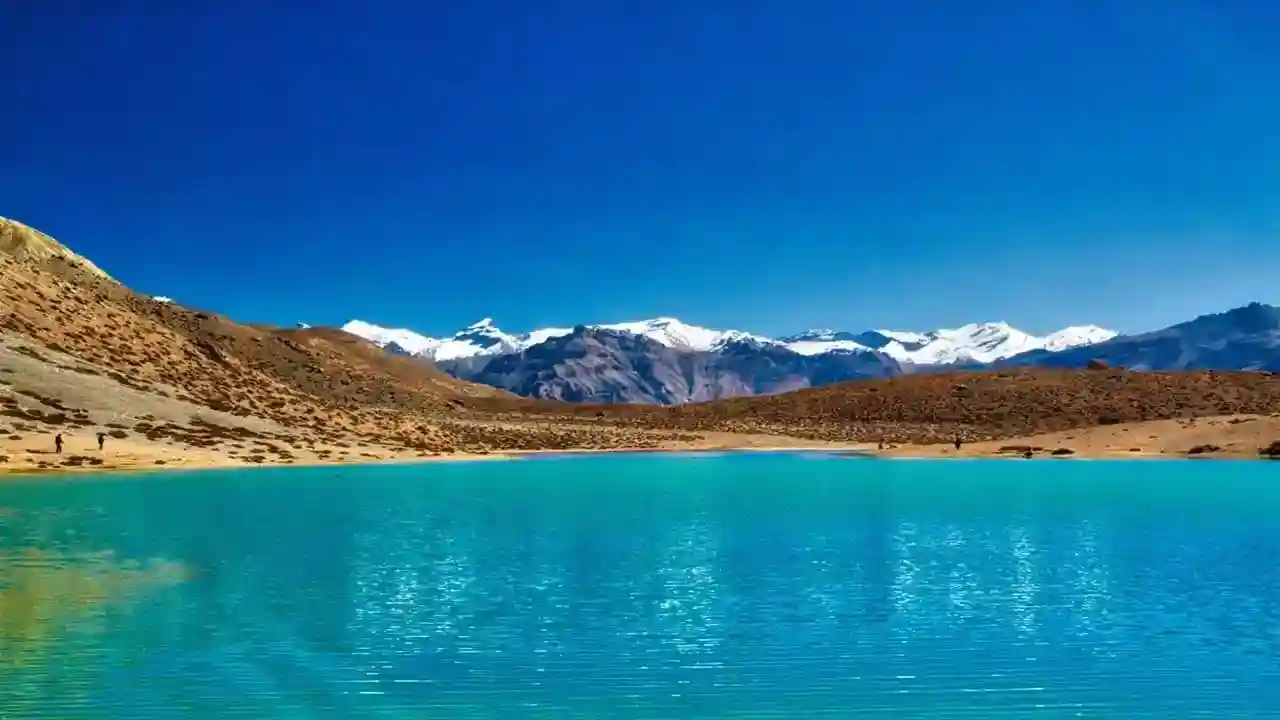
Dhankar Lake Trek Spiti: Trail Details, Height & Timing
Complete guide to Dhankar Lake trek in Spiti Valley. Difficulty level, distance, height, best time, how to reach & detailed trekking guide with route map.
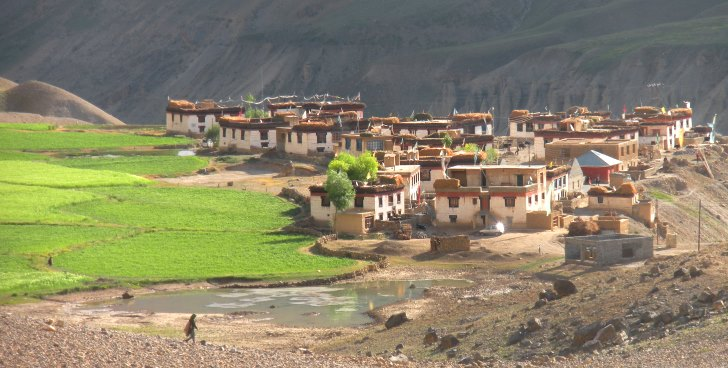
Gue Village Spiti: Mummy Village Story, Route & Stay Options
Discover Gue Village Spiti Valley, home to the 500-year-old mummy. Complete travel guide with monastery, how to reach & stay options.
Never Miss an Adventure
Get the latest trekking guides, travel tips, and exclusive offers delivered straight to your inbox.
