

Hastinapur Wildlife Sanctuary: Safari Info, Route & Best Time

Rohit Verma
February 21, 2026
Explore Hastinapur Wildlife Sanctuary in Uttar Pradesh. Complete guide to wildlife, best time to visit, Ganges dolphins, swamp deer, birdwatching & historical significance.
Introduction to Hastinapur Wildlife Sanctuary
Located in the Meerut and Bijnor districts of Uttar Pradesh, Hastinapur Wildlife Sanctuary stands as one of North India's most fascinating yet relatively lesser-known wildlife reserves. Established in 1986 and spanning approximately 2,073 square kilometers, this sanctuary represents one of the largest protected areas in the state. What makes Hastinapur truly special is its unique blend of wildlife and mythological significance - the area is believed to be the site of the ancient city of Hastinapur from the Mahabharata epic. Combine your visit with other destinations in Uttar Pradesh.
The sanctuary's diverse landscape ranges from the Gangetic plains to the upper Gangetic basin, creating multiple ecosystems that support an incredible variety of flora and fauna. The Ganges River flows along its boundary, adding to the ecological importance and creating diverse riverine habitats. Unlike many commercialized wildlife destinations, Hastinapur retains its natural character, offering visitors an authentic wilderness experience combined with cultural and historical significance.

The Wildlife of Hastinapur
Hastinapur Wildlife Sanctuary's most celebrated residents include a variety of species adapted to the Gangetic plain ecosystem. While it may not have the high-profile tiger populations of some reserves, Hastinapur offers unique opportunities to observe species specialized for riverine and grassland habitats.
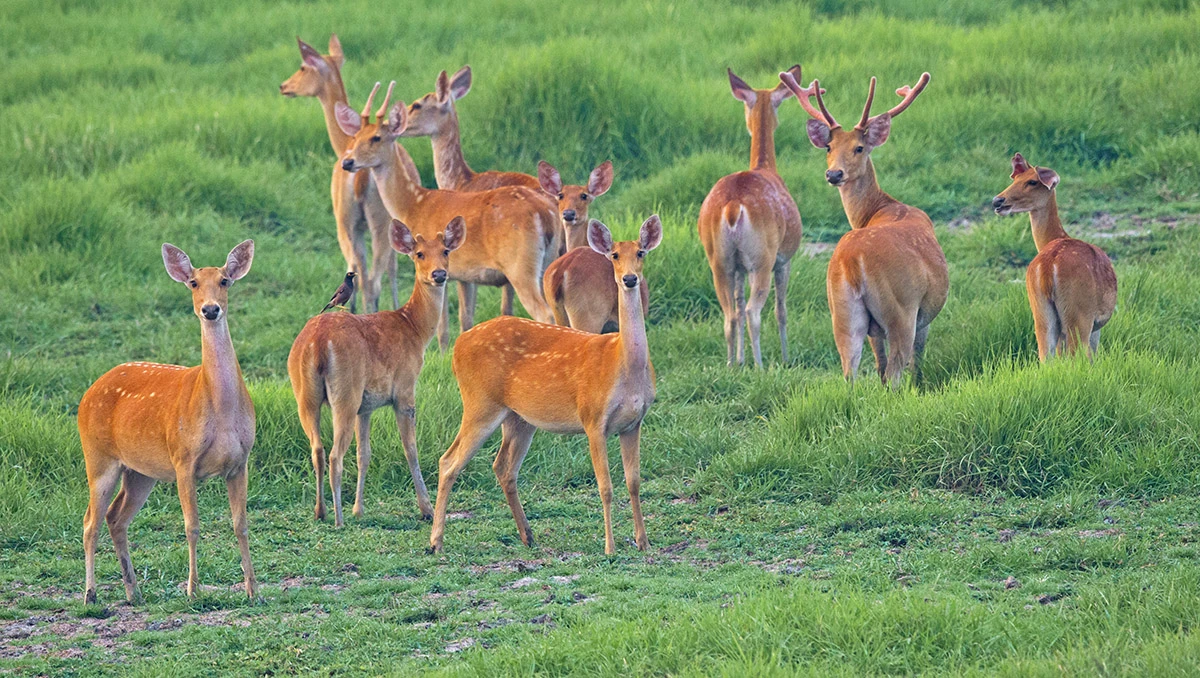
The sanctuary is particularly renowned for its significant population of swamp deer (barasingha), an endangered species found in few locations in India. These beautiful deer, with their distinctive branched antlers, represent one of the sanctuary's conservation success stories. Additionally, the Ganges river dolphin, one of the world's rarest freshwater mammals, can be spotted in the river sections along the sanctuary boundary. For more wildlife experiences, visit Jim Corbett National Park in Uttarakhand.
Best Time to Visit Hastinapur Wildlife Sanctuary
Timing your visit to Hastinapur Wildlife Sanctuary significantly impacts your wildlife viewing experience. The sanctuary remains accessible throughout the year, though some periods offer better wildlife viewing opportunities.
November to February (Winter): The weather remains pleasant with temperatures ranging from 8-25°C. This is the most comfortable time for wildlife viewing, and many species are more active during the cooler months. Migratory birds arrive during this period, making it excellent for birdwatching. This is also the peak tourist season, so plan accordingly.
March to June (Summer): As temperatures rise to 35-40°C, animals frequent water sources more predictably. While the heat can be intense, the dry vegetation improves visibility, and wildlife encounters around water holes become more frequent. Early morning and late afternoon safaris offer the best chances of sightings.
Monsoon (July to October): While the sanctuary remains open, heavy rainfall can make certain areas inaccessible. However, the landscape transforms into a lush green paradise, and this is an excellent time for nature photography and observing amphibian life.
Wildlife Zones and Experiences
Hastinapur Wildlife Sanctuary encompasses diverse habitats, each offering unique wildlife viewing experiences. Understanding these areas helps in planning your visit effectively.
Ganga Riverine Area: Along the Ganges, this area offers opportunities to spot the endangered Ganges river dolphin, especially in the calmer river stretches. The riverine forests support various bird species, and the wetlands attract numerous water birds including migratory species during winter.
Grassland Areas: The extensive grasslands are prime habitat for swamp deer (barasingha) and blue bull (nilgai). Open areas provide good visibility for wildlife viewing and photography, especially during early morning and late afternoon when animals are most active.
Forest Patches: Scattered forest areas support sambar, chital, wild boar, and various smaller mammals. These patches are excellent for birdwatching and offer opportunities to observe forest species in their natural habitat.
Booking Tips: Unlike some tiger reserves with strict zone systems, Hastinapur offers more flexible access points. Contact the forest department for current entry procedures and guide requirements. Early morning visits (6:00-10:00 AM) generally offer better wildlife activity.
Diverse Wildlife of Hastinapur
Hastinapur Wildlife Sanctuary supports an impressive diversity of wildlife that makes every visit exciting. The sanctuary's ecosystem supports over 30 species of mammals, 350+ bird varieties, and numerous reptile species.
Major Mammals: The sanctuary is home to swamp deer (barasingha) - one of its flagship species, blue bull (nilgai), sambar, chital (spotted deer), wild boar, Indian hare, jackal, and various smaller mammals. While large predators like tigers are not present, leopards occasionally pass through, and smaller predators like jungle cats and fishing cats inhabit the area.
Avian Wonders: Hastinapur is a birdwatcher's paradise, particularly during winter when migratory species arrive. Notable species include sarus cranes, painted storks, woolly-necked storks, various species of ducks, geese, and waders. The riverine areas support kingfishers, herons, and egrets, while raptors including marsh harriers and eagles patrol the grasslands. Explore more birdwatching destinations across India.
Aquatic Life: The Ganges River sections along the sanctuary boundary are home to the endangered Ganges river dolphin, mugger crocodiles, and various freshwater turtles and fish species. The riverine ecosystem supports a wealth of aquatic biodiversity.

Types of Safari Experiences
Hastinapur offers more flexible wildlife viewing experiences compared to strictly regulated tiger reserves.
Jeep Safari: The most common way to explore the sanctuary, offering flexibility and the ability to cover larger areas. Jeeps can access various habitat types and provide good vantage points for wildlife viewing and photography.
Nature Walks: In certain areas, guided nature walks offer a more intimate wildlife experience, allowing you to observe smaller creatures, birds, and plant life that might be missed from a vehicle. These walks provide excellent opportunities for photography and learning about the ecosystem.
Boat Rides: Where permitted, boat rides on the Ganges offer unique perspectives and opportunities to spot river dolphins, crocodiles, and water birds. These rides provide a peaceful way to experience the sanctuary's riverine ecosystem.
All experiences should be arranged through authorized operators who provide experienced guides knowledgeable about the sanctuary's wildlife and ecology.
How to Reach Hastinapur Wildlife Sanctuary
By Air: The nearest airport is Delhi's Indira Gandhi International Airport (110 km away), well-connected to domestic and international destinations. From Delhi, you can hire a taxi or take a bus to reach the sanctuary. The sanctuary is close to Delhi attractions, making it perfect for a combined trip.
By Train: Meerut City railway station is the nearest major railhead (40 km away), well-connected to Delhi and other cities. From Meerut, taxis and local transport are available to reach the sanctuary. Direct trains also connect to Hastinapur Road station.
By Road: Hastinapur is easily accessible by road from major cities. The drive from Delhi takes approximately 2-3 hours (110 km) via Meerut. The sanctuary is well-connected to Meerut, Muzzafarnagar, and other nearby towns by regular buses and taxis.
Where to Stay Near Hastinapur
Accommodation options range from basic forest rest houses to comfortable hotels, catering to different preferences and budgets.
Forest Rest Houses: Basic forest rest houses offer simple accommodation within or near the sanctuary boundaries. Bookings should be arranged in advance through the forest department. These provide basic facilities and proximity to wildlife areas.
Meerut Hotels: Meerut city offers a range of accommodation options from budget hotels to mid-range properties. These provide better amenities and are convenient for exploring the sanctuary on day trips.
Delhi Day Trips: Given its proximity to Delhi (110 km), Hastinapur can also be visited as a day trip from the capital, though an overnight stay allows for more extensive exploration.

Historical and Mythological Significance
What sets Hastinapur apart from most wildlife sanctuaries is its rich historical and mythological heritage. The area is believed to be the site of the ancient city of Hastinapur, the capital of the Kuru kingdom mentioned in the Mahabharata epic. Archaeological excavations in the area have revealed remains dating back to the Mahabharata period (approximately 1200 BCE) and later.
Visitors to Hastinapur Wildlife Sanctuary can combine wildlife viewing with visits to historical sites, including ancient temples, archaeological excavations, and the Hastinapur Archaeological Museum. This unique combination of natural and cultural heritage makes Hastinapur a fascinating destination for those interested in both wildlife and history.
Essential Visit Tips
- Plan Ahead: Contact the forest department before visiting to understand current access procedures and any restrictions.
- Wear Earth Tones: Neutral colors like khaki, olive, and brown help you blend with the environment.
- Carry Binoculars: Essential for spotting wildlife from a distance and appreciating birdlife.
- Stay Silent: Maintain quiet to avoid disturbing animals and maximize sightings.
- Be Patient: Wildlife viewing requires patience, especially in such a large and diverse sanctuary.
- Respect Rules: Follow your guide's instructions and sanctuary regulations for your safety and animal welfare.
- Stay Hydrated: Carry water, especially during summer visits.
- Camera Preparation: Bring telephoto lenses for wildlife and wide angles for landscapes.
Photography Tips for Hastinapur
Hastinapur offers diverse photographic opportunities beyond wildlife. The combination of landscapes, wildlife, birds, and historical sites creates a rich variety of subjects. Use early morning light for wildlife photography when animals are most active. The winter mist over the grasslands creates atmospheric conditions perfect for moody shots. The Ganges River provides beautiful landscape opportunities, especially during sunrise and sunset. Respect wildlife and never use flash photography.
Conservation and Community
Hastinapur Wildlife Sanctuary plays a crucial role in protecting the Gangetic plain ecosystem and its unique biodiversity. The sanctuary protects important populations of swamp deer, blue bull, and various bird species. The Ganges river dolphin presence highlights the sanctuary's importance for aquatic conservation. However, the sanctuary faces challenges from habitat pressure, human-wildlife conflict, and the need to balance conservation with local community needs. Your visit supports conservation initiatives and local communities, making responsible tourism crucial for the sanctuary's future.
Conclusion
Hastinapur Wildlife Sanctuary offers a unique blend of wildlife, nature, and cultural heritage that's rare in India's protected area network. From endangered swamp deer and river dolphins to over 350 bird species, from the ancient heritage of the Mahabharata to the pristine beauty of the Ganges, Hastinapur provides a multifaceted experience that appeals to diverse interests. Whether you're a wildlife enthusiast, birdwatcher, history buff, or simply seeking a nature escape from Delhi, Hastinapur has something special to offer. Plan your visit thoughtfully, respect the sanctuary's natural and cultural heritage, and prepare for a unique experience that combines the best of India's wildlife and historical legacy.
Location
Frequently Asked Questions
Q1.What is the best time to visit Hastinapur Wildlife Sanctuary?
Q2.Can we see Ganges river dolphins at Hastinapur?
Q3.What wildlife can we see at Hastinapur?
Q4.Is Hastinapur connected to the Mahabharata?
Q5.How far is Hastinapur from Delhi?
Q6.Do we need permits to visit Hastinapur Wildlife Sanctuary?
Q7.What should I carry for a visit to Hastinapur?
Q8.Is Hastinapur good for birdwatching?
Q9.What is special about the swamp deer of Hastinapur?
Q10.Can we visit Hastinapur as a day trip from Delhi?
Recommended For You

Great Himalayan National Park: Trek Routes, Permits & Wildlife
Explore Great Himalayan National Park (GHNP): UNESCO World Heritage Site in Kullu. Complete guide to trekking routes, wildlife spotting, permits, best time to visit, and accommodation.

Rajaji National Park: Elephant Safari, Zones & Visitor Information
Explore Rajaji National Park in Uttarakhand. Complete guide to elephant safaris, best time to visit, zones, wildlife, booking tips & accommodation near Haridwar.

Ranthambore National Park: Safari Zones, Ticket Booking & Best Time
Discover Ranthambore National Park, India's premier tiger reserve. Complete guide to safaris, best time to visit, zones, wildlife, booking tips & accommodation.
Never Miss an Adventure
Get the latest trekking guides, travel tips, and exclusive offers delivered straight to your inbox.
