
7 Hill Stations Near Kannur: Distance, Routes & Weekend Picks

Priya Mehta
December 17, 2025
Explore 7 scenic hill stations near Kannur within 150 km. Includes Coorg, Wayanad, Vythiri & more. Updated with routes, timings & tips.
Hill Stations Near Kannur: Complete Weekend Guide
Travelers based in Kannur often look for nearby hill escapes that offer cooler weather, viewpoints, forest drives, and slower weekend rhythms. The best hill-station plans near Kannur work through zone logic: one primary destination, one optional nature stop, and one return buffer. This approach avoids rushed driving and improves trip quality.
Depending on season and travel style, options around Kannur routes can include Wayanad-side zones, Coorg-linked circuits, and local upland viewpoints. Use hill stations kerala, offbeat places kerala, and best places to visit kerala for broader planning.
How to Choose the Right Hill Stop
If you want light driving and relaxed nature time, choose one closer upland route with early departure and same-day return. If you want trekking and estate stays, pick a destination with overnight accommodation and split activities across two days. This simple choice prevents overplanning.
Families usually benefit from low-altitude scenic routes with shorter walks, while trekking travelers can opt for longer trail-focused circuits.
Suggested Two-Day Format
- Day 1: Travel, viewpoint sessions, local food, evening rest
- Day 2: Morning nature walk or cave/forest stop, return transit
- Keep one flexible weather buffer block
- Avoid aggressive multi-destination hopping
- Use daylight-return logic in monsoon conditions
Best Time to Travel
Post-monsoon and winter are generally comfortable for clear views and road movement. Monsoon can be visually spectacular but needs caution for slippery trails and drive timings. Summer weekends remain viable if you start early and avoid peak noon exposure.
For specific nature additions, consider edakkal caves wayanad and trekking in kerala where route alignment permits.
Common Mistakes to Avoid
- Trying to cover multiple hill destinations in one weekend.
- Ignoring weather alerts in monsoon windows.
- Skipping early departures and losing best daylight.
- Overestimating road speeds in hill sections.
- Planning no rest between long drive segments.
Hill trips near Kannur are best when planned for comfort, not count. Keep the itinerary light, and the weekend feels far more rewarding.
Extended Planning Framework
A strong destination visit is shaped less by attraction count and more by sequencing quality. Travelers who define a primary objective before arrival usually have better outcomes. Your objective can be architecture interpretation, cultural immersion, pilgrimage depth, photography output, or road-trip flow. Once this goal is clear, day plans become simpler and better aligned. Without a goal, itineraries become overloaded and attention gets scattered. This is a common reason travelers leave major sites with only surface impressions. With one clear objective, each stop has purpose and each pause has value.
A practical model is the two-pass method. First pass: orientation and full-route understanding. Second pass: detail capture and contextual reading. Most visitors do only one pass and miss important transitions, inscriptions, and design logic. The second pass does not need much time, often just 20 to 30 minutes, but it greatly improves retention. This method is especially useful at heritage compounds, museum environments, and layered hill destinations where first impressions can be misleading. It also helps with family travel, because everyone can move together on pass one and then pursue focused interests on pass two.
On-Site Workflow That Improves Results
Use a simple field workflow at every destination. Step one: note conditions on arrival, including weather, crowd level, and movement constraints. Step two: read baseline context from on-site boards or prepared notes. Step three: complete one structured walk without rushing. Step four: record three takeaways before exit, one historical, one visual, and one practical. This workflow turns passive sightseeing into active learning. It also helps content creators write better summaries later because details are captured while fresh. A trip becomes more meaningful when you collect insight, not only images.
Photography should follow narrative structure. Begin with one wide contextual frame, then medium architectural frames, then detail shots. Many travelers do the opposite and end with disconnected images that lack story. The wide frame is critical because it shows how the site sits in terrain or city fabric. Medium frames explain spatial organization. Detail shots then add texture and craft depth. This three-level approach works across forts, temples, museums, mountain passes, and cultural streets. It also improves sharing quality for blogs and social content without adding extra time burden.
Timing and Energy Management
Destination quality is strongly affected by time-of-day decisions. Heritage-heavy and physically demanding sites should be placed in morning windows when attention and energy are highest. Keep lighter scenic, market, or café segments for later hours. Avoid stacking three high-intensity stops without recovery breaks. Heat, altitude, or city traffic can quickly reduce decision quality and enjoyment if pacing is poor. A 10-minute hydration and note break between major stops can improve the rest of the day significantly. Good travel design is about sustainable rhythm, not constant motion.
Route geometry matters. Circular or directional itineraries are usually better than zig-zag plans. Use one anchor stop, one secondary stop, and one optional stop. If delays happen, drop the optional segment and protect the core experiences. Travelers who follow this principle consistently report better trips than those who try to maximize count. The optional-stop model is also useful for weather-sensitive regions and mountain routes where conditions can shift quickly. It gives flexibility without sacrificing quality.
Respect, Etiquette, and Preservation
Every heritage and natural site has a preservation threshold. Repeated small behaviors from visitors can either protect or degrade the place. Stay on designated paths, avoid touching carved or painted surfaces, and keep sacred zones quiet. In museums, follow photography rules and avoid flash where restricted. In natural settings, carry waste out if disposal systems are limited. Responsible behavior is not a formality; it directly impacts site survival. Travelers who adopt preservation discipline improve the experience for everyone.
Cultural respect also includes language and framing. Avoid simplistic or sensational narratives for complex places. If a site has layered political or colonial memory, present it with nuance. If a site is active for worship, prioritize decorum over content creation. Thoughtful interpretation builds trust with local communities and improves the quality of travel information online. This responsibility is part of high-standard travel writing and planning.
Final Review Before Exit
Before leaving a major stop, perform a quick quality check. Did you understand why the site exists? Did you identify at least three distinctive features? Did you capture one practical lesson for future travelers? If yes, your visit was meaningful. If not, take a brief second round and fill the gap. This final review turns rushed tourism into purposeful exploration and helps ensure each destination adds long-term value.
Apply this framework consistently across trips and your travel quality improves noticeably. You return with stronger memory, better notes, and clearer insight instead of fatigue and fragmented impressions.
One final recommendation is to keep a short post-visit summary for each destination: what worked, what timing was best, and what you would do differently next time. This helps future planning and improves the quality of repeated travel across similar sites. Even a few clear notes can prevent common mistakes and make the next itinerary much more efficient and enjoyable.
If you keep this one extra buffer and review step in every itinerary, your destination experience quality improves consistently and long-term travel planning becomes much easier.
This final planning discipline keeps your trip practical, flexible, and consistently higher in quality.
Location
Frequently Asked Questions
Q1.Which is the nearest hill station to Kannur?
Q2.How far is Coorg from Kannur?
Q3.How far is Wayanad from Kannur?
Q4.Best time to visit hill stations near Kannur?
Q5.How many hill stations are near Kannur?
Q6.Is Kannur a hill station?
Q7.Which is better Coorg or Wayanad from Kannur?
Q8.Hill stations near Kannur for one day trip?
Recommended For You
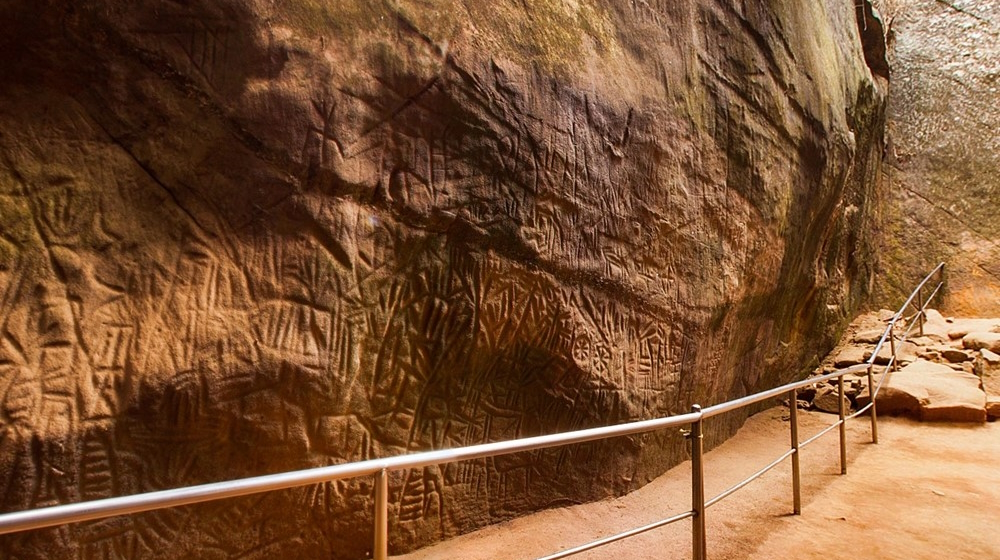
Edakkal Caves Wayanad: Complete Guide to 6000-Year-Old Petroglyphs
Discover Edakkal Caves in Wayanad, home to 6,000-year-old Neolithic petroglyphs. Our complete guide covers trekking, timings, entry fees, history, and practical tips for exploring these remarkable ancient rock shelters with South India's finest prehistoric carvings.
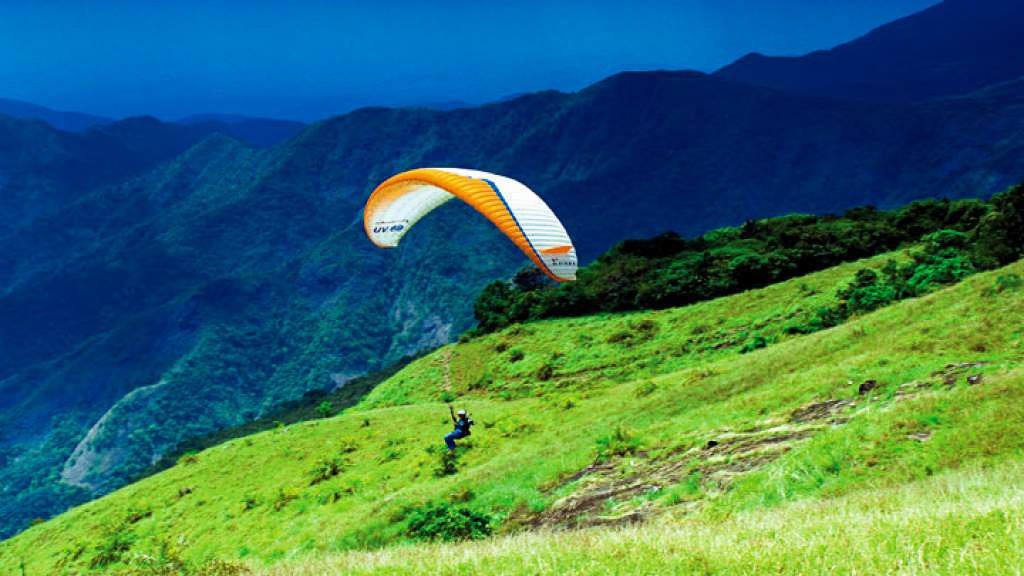
Offbeat Places in Kerala: Hidden Gems for Unique Travel Experiences
Discover Kerala's hidden gems beyond tourist trails. Explore Vagamon, Silent Valley, Gavi, Munroe Island & more with this comprehensive guide to offbeat places in Kerala.
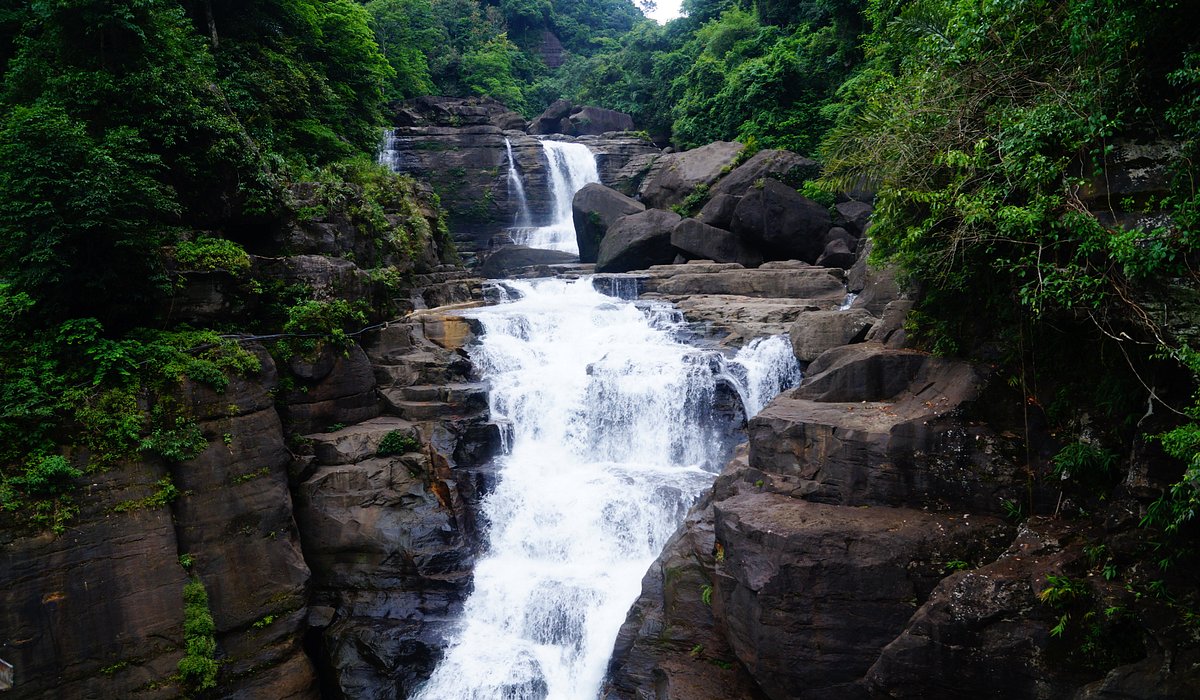
Best Places to Visit in Meghalaya: Waterfalls, Caves & Villages
Explore top places to visit in Meghalaya including Shillong, Cherrapunji, Dawki, Living Root Bridges, and practical route planning tips for travelers.
Never Miss an Adventure
Get the latest trekking guides, travel tips, and exclusive offers delivered straight to your inbox.
