
Kedarkantha Temperature: Month-Wise Weather & Trek Planning
Neha Kapoor
January 31, 2026
Check Kedarkantha temperature month-wise! Get weather details, best time for trek, snow conditions, winter vs summer trek & complete temperature guide for this popular Himalayan trek.
Why Temperature Matters for Kedarkantha Trek
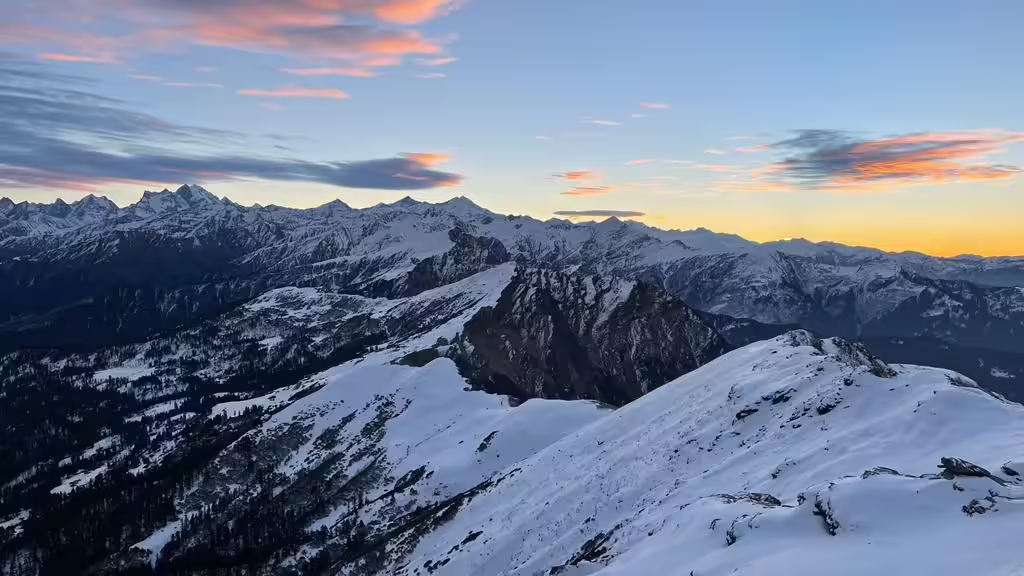
Kedarkantha, standing at 12,500 feet in the Uttarakashi district of Uttarakhand, is one of India's most popular winter treks precisely because of its unique temperature profile. Unlike many high-altitude Himalayan treks that become inaccessible during winter due to extreme cold and heavy snowfall, Kedarkanthan offers an achievable challenge for beginners while still delivering an authentic winter trekking experience. While winter treks in Ladakh require extensive preparation, Kedarkantha is more accessible. Understanding the temperature variations throughout the year is crucial for planning a safe and enjoyable trek, as weather conditions dramatically affect everything from trail accessibility to gear requirements.
The trek's popularity stems from its perfect balance—challenging enough to be rewarding but accessible enough for fit beginners with no prior high-altitude experience. However, this accessibility doesn't mean the trek should be underestimated. The temperature at Kedarkantha can vary dramatically between day and night, between base camp and summit, and between seasons. A well-prepared trekker who understands these temperature variations and packs accordingly will have an entirely different experience—much more comfortable and enjoyable—than someone who arrives unprepared for the cold.
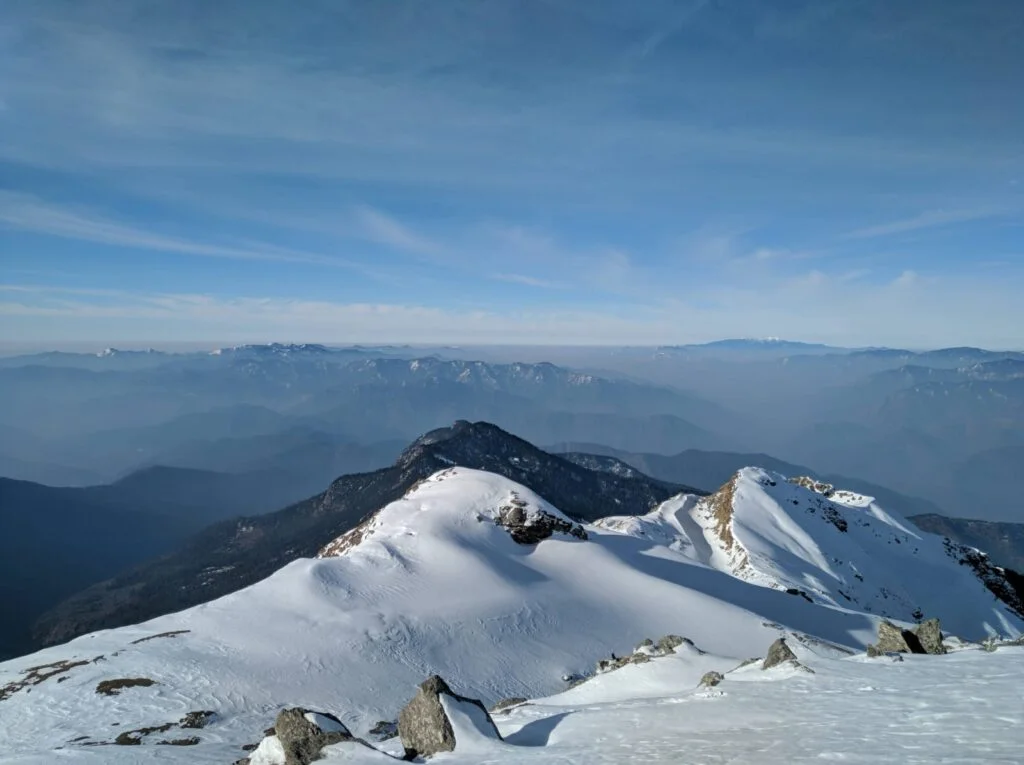
This guide breaks down temperature patterns month by month, helping you choose the best time for your trek based on your experience level, cold tolerance, and what you hope to experience—whether that's pristine winter snow, spring rhododendrons, or clear mountain views. Understanding Kedarkantha's weather patterns will help you pack right, train appropriately, and choose the timing that matches your trekking goals.
Month-Wise Temperature Breakdown
Winter Season (December - February)
December: December marks the true beginning of winter at Kedarkantha. Daytime temperatures at the base camp (Sankri, approximately 6,400 feet) range from 5°C to 10°C, while summit temperatures during the day hover around 0°C to 5°C. However, night temperatures tell a different story—base camp nights drop to -5°C to -8°C, while the summit can reach -15°C or lower. Snow begins accumulating significantly by mid-December, transforming the trail into a winter wonderland. The first half of December often has less snow, making the trail easier, while the second half brings deeper snow and more challenging conditions.
January: January is peak winter at Kedarkantha and offers the most quintessential winter trekking experience. Temperatures at the summit during the day range from -5°C to 0°C, while nights can plummet to -20°C or lower. Base camp temperatures at night typically reach -10°C to -15°C. January usually has the deepest and most consistent snow cover—trekkers in January should expect knee-deep or even waist-deep snow in sections, particularly above 10,000 feet. The extreme cold requires serious winter gear: down jackets rated for -20°C, multiple thermal layers, insulated gloves, and quality mountaineering boots. Despite the challenging conditions, January's pristine snow landscapes and clear winter views make it the most popular month for experienced trekkers.
February: February conditions are similar to January but begin moderating slightly toward the end of the month. Daytime summit temperatures range from -3°C to 3°C, with night temperatures around -15°C at the summit. Snow remains deep throughout February, but the slightly warmer daytime temperatures can make snow slightly softer, which some trekkers find easier to walk on. February offers the same spectacular winter scenery as January but with slightly fewer crowds as schools and colleges have less vacation time.
Spring Season (March - April)
March: March represents a transition period at Kedarkantha, with winter conditions gradually giving way to spring. Early March still sees substantial snow—similar to February—but by mid-March, temperatures begin rising noticeably. Daytime temperatures at the summit reach 0°C to 8°C, while nights drop to -10°C to -5°C. The snow begins melting at lower elevations, creating wet and slushy trail conditions particularly in forested sections. March offers a unique combination—patches of snow at higher elevations with emerging greenery below, and the famous rhododendrons beginning to bloom.
April: April is springtime in the Kedarkantha region. Daytime summit temperatures range from 5°C to 12°C, with pleasant base camp temperatures of 10°C to 18°C. Night temperatures at the summit drop to -5°C to 0°C. Snow remains on north-facing slopes and at the summit, but much of the trail below 11,000 feet becomes snow-free. The real highlight of April is the rhododendron bloom—forests erupt in red, pink, and white flowers, creating incredible photography opportunities. Similar to the famous Valley of Flowers, April brings vibrant colors to the Himalayan landscape. April is ideal for trekkers who want to experience some snow without extreme cold and who enjoy vibrant spring landscapes.
Summer Season (May - June)
May: May brings summer to Kedarkantha, with daytime summit temperatures of 8°C to 15°C and base camp temperatures of 15°C to 22°C. Nights at the summit are around 0°C to 5°C. Most snow melts except in shaded patches and at the very summit. May offers clear mountain views, pleasant trekking conditions, and lush green landscapes. The trail becomes easier as snow disappears, making May ideal for beginners or those who prefer moderate temperatures. However, clear skies also mean no snow scenery—the classic winter Kedarkantha experience.
June: June continues the summer pattern, with temperatures similar to May. Summit daytime temperatures reach 10°C to 18°C, and the base camp experiences pleasant 18°C to 25°C weather. The mountain is completely green, with wildflowers blooming across meadows. June offers excellent visibility and comfortable trekking but has minimal snow—only small patches at the summit if any. This is perfect for trekkers who want to avoid cold and snow but still experience high-altitude Himalayan trekking.
Autumn Season (September - November)
September: September marks the post-monsoon period. Daytime summit temperatures range from 5°C to 12°C, with base camp at 12°C to 18°C. Nights at the summit are 0°C to 5°C. September offers fresh greenery after monsoon rains, clear skies, and excellent visibility. The trail can be muddy in early September as it dries out from monsoon, but conditions improve throughout the month. No snow in September except possibly at the very summit.
October: October is arguably the best month for clear mountain views. Temperatures begin cooling—summit days range 3°C to 10°C, with nights at -5°C to 0°C. The air is crystal clear after monsoon, offering panoramic Himalayan views. October has stable weather, minimal precipitation, and comfortable trekking temperatures. The first snows may arrive at the very end of October, particularly at the summit.
November: November brings the onset of winter. Daytime summit temperatures drop to 0°C to 7°C, with nights reaching -10°C to -5°C. Early November may still have autumn conditions with minimal snow, but late November typically sees the first significant snowfall. November offers a transition from autumn's clear views to winter's snow scenery, sometimes providing both in a single trek if you're lucky with timing.
| Month | Daytime Summit | Nighttime Summit | Base Camp Day | Snow Conditions |
|---|---|---|---|---|
| December | 0°C to 5°C | -15°C to -10°C | 5°C to 10°C | Increasing snow |
| January | -5°C to 0°C | -20°C to -15°C | 0°C to 5°C | Maximum snow |
| February | -3°C to 3°C | -15°C to -10°C | 2°C to 7°C | Deep snow |
| March | 0°C to 8°C | -10°C to -5°C | 5°C to 12°C | Melting snow |
| April | 5°C to 12°C | -5°C to 0°C | 10°C to 18°C | Minimal snow |
| May | 8°C to 15°C | 0°C to 5°C | 15°C to 22°C | Minimal snow |
| June | 10°C to 18°C | 2°C to 7°C | 18°C to 25°C | No snow |
| September | 5°C to 12°C | 0°C to 5°C | 12°C to 18°C | No snow |
| October | 3°C to 10°C | -5°C to 0°C | 10°C to 15°C | No snow |
| November | 0°C to 7°C | -10°C to -5°C | 5°C to 10°C | Early snow |
Best Time to Visit Kedarkantha
The "best" time depends entirely on what experience you're seeking. Kedarkantha offers distinctly different experiences across seasons, and understanding these helps you choose the timing that matches your expectations.
For Snow and Winter Experience: December through February is the classic winter period, with January being the peak snow month. If your goal is walking through deep snow, camping in pristine white landscapes, and experiencing true winter trekking, plan for January 10-31. This period offers maximum snow coverage and the full winter challenge. You'll need proper winter gear and should be prepared for extremely cold nights, but the scenery is unmatched for winter enthusiasts.
For Balanced Conditions: Late February through March offers a sweet spot—still plenty of snow at higher elevations for that winter feel, but slightly warmer daytime temperatures and slightly less extreme cold at night. This period is ideal if you want the snow experience without January's extreme conditions. March also brings rhododendrons beginning to bloom, adding color to the white landscapes.
For Beginners: May through June and September through October offer the most comfortable conditions. May and June have pleasant daytime temperatures, no snow obstacles on the trail, and clear mountain views. September and October provide excellent visibility and comfortable temperatures after monsoon. For those looking to explore other trekking destinations, Spiti Valley offers excellent opportunities during similar timeframes. These periods are ideal if you're a first-time high-altitude trekker or if you prefer moderate temperatures over winter challenges.
For Photography: April for rhododendrons and mountain views, or October for crystal clear visibility. April offers the unique combination of remaining snow at higher elevations with blooming flowers at lower elevations—creating incredibly varied photography in a single trek. October's post-monsoon clarity provides unmatched Himalayan panorama views with zero atmospheric haze.
Snowfall Conditions and Prediction
Snow is the defining characteristic of winter Kedarkantha treks, and understanding snow patterns helps set appropriate expectations. Snow typically begins accumulating significantly in December, with January seeing the deepest and most consistent coverage. The summit and areas above 11,000 feet typically have the deepest snow—sometimes knee to waist deep.
Snow conditions affect trek difficulty considerably. Walking through deep snow is significantly more tiring than walking on bare trail or packed snow. The snow depth determines whether you'll need microspikes or gaiters, and whether you'll be post-holing (sinking deep into snow with each step) or walking on a firmer surface. January treks should expect the deepest snow, with February being similar but possibly slightly more consolidated as snow compacts over time.
For trekkers specifically seeking snow, January 15-31 usually provides the most reliable snow coverage. Early December trekkers might encounter less snow—sometimes no snow at all in the first week of December if winter arrives late. Late February through March sees gradually decreasing snow, with snow remaining primarily at higher elevations and in shaded areas.
Weather prediction for specific snowfall dates is notoriously unreliable in the Himalayas. Short-term forecasts (within 3-4 days of your trek) are reasonably accurate for general conditions, but predicting snowfall weeks or months in advance isn't possible. If snow is your priority, choosing January dates gives you the highest statistical probability of good snow coverage.
Clothing and Gear for Winter Trekking
Proper gear is the difference between an enjoyable winter trek and a miserable one. Kedarkantha in winter requires serious preparation, particularly for December-February treks when temperatures drop below -15°C at the summit.
Layering System: Use a 3-4 layer system for your upper body. Base layer (thermal top) should be merino wool or synthetic—never cotton, which stays wet when you sweat. Mid layer (fleece or light down jacket) provides insulation. Outer layer (waterproof and windproof jacket) protects from wind and precipitation. For extreme cold (December-January), add a fourth layer—a heavy down jacket that you put on during rest breaks and at night.
Lower Body: Thermal bottom (base layer) plus trekking pants. For deep snow, waterproof pants over your trekking pants keep you dry. Two pairs of socks—thin liner socks plus thick wool socks—prevent blisters and keep feet warm. Carry an extra pair of wool socks to change into at camp.
Extremities Protection: Your extremities—hands, feet, head—are most vulnerable to cold. Insulated gloves rated for at least -10°C are essential—consider liner gloves plus heavy mittens for very cold conditions. A wool or fleece hat (beanie) that covers your ears is mandatory. A balaclava or neck gaiter protects your face from cold wind. Sunglasses with good UV protection are essential—snow reflects UV, increasing exposure significantly.
Footwear: Waterproof hiking boots with good insulation are crucial. Your boots should be one size larger than normal to accommodate thick socks and prevent toe compression on descents. Gaiters keep snow out of your boots. For deep snow in January-February, microspikes provide essential traction on hard-packed snow and ice.
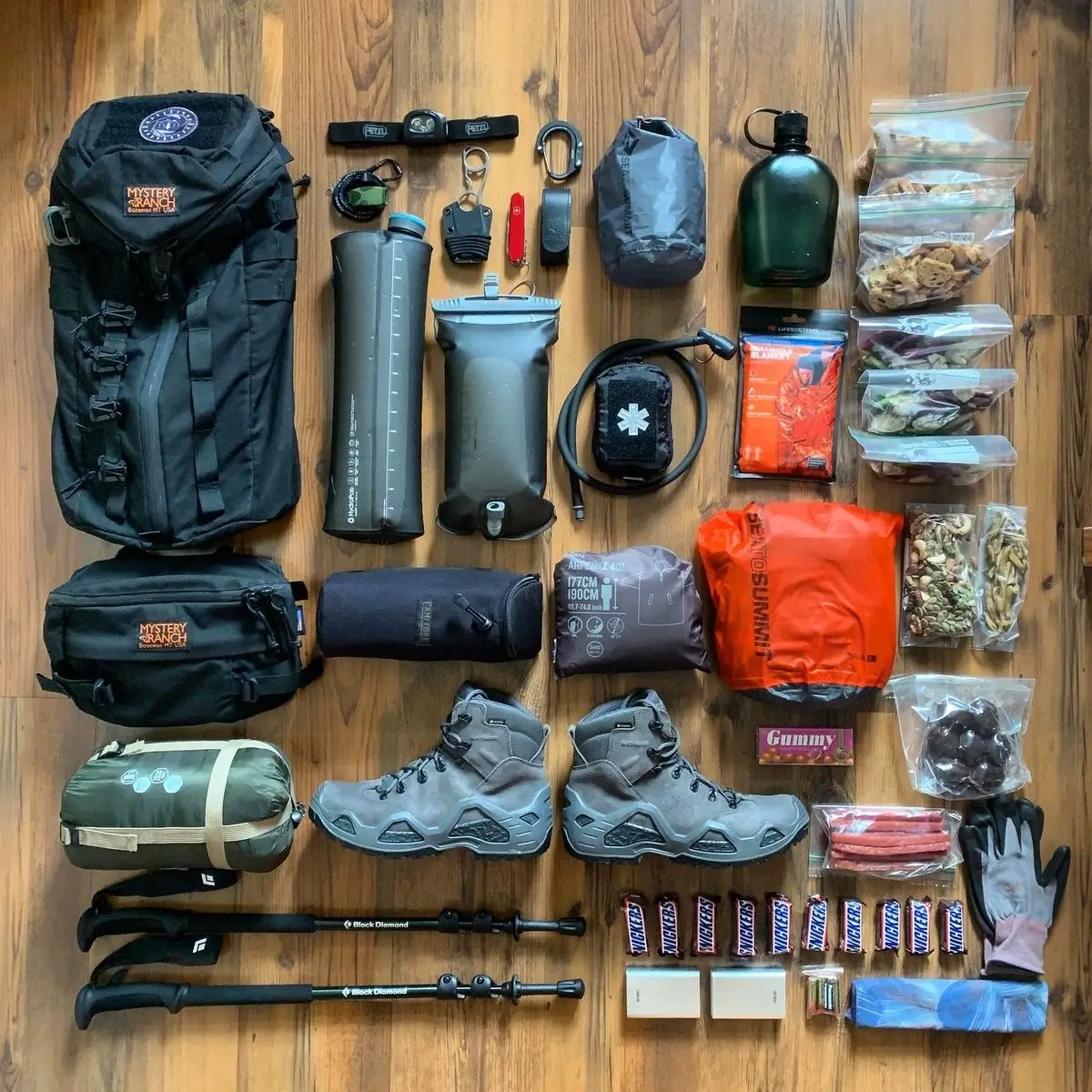
Sleeping Gear: A quality sleeping bag rated for at least -10°C is non-negotiable for winter—preferably -15°C for January. Sleeping bag liner adds 5-10°C of warmth. An insulated sleeping pad (with R-value of at least 3-4) prevents cold from seeping up from the ground.
Summit Day Weather Challenges
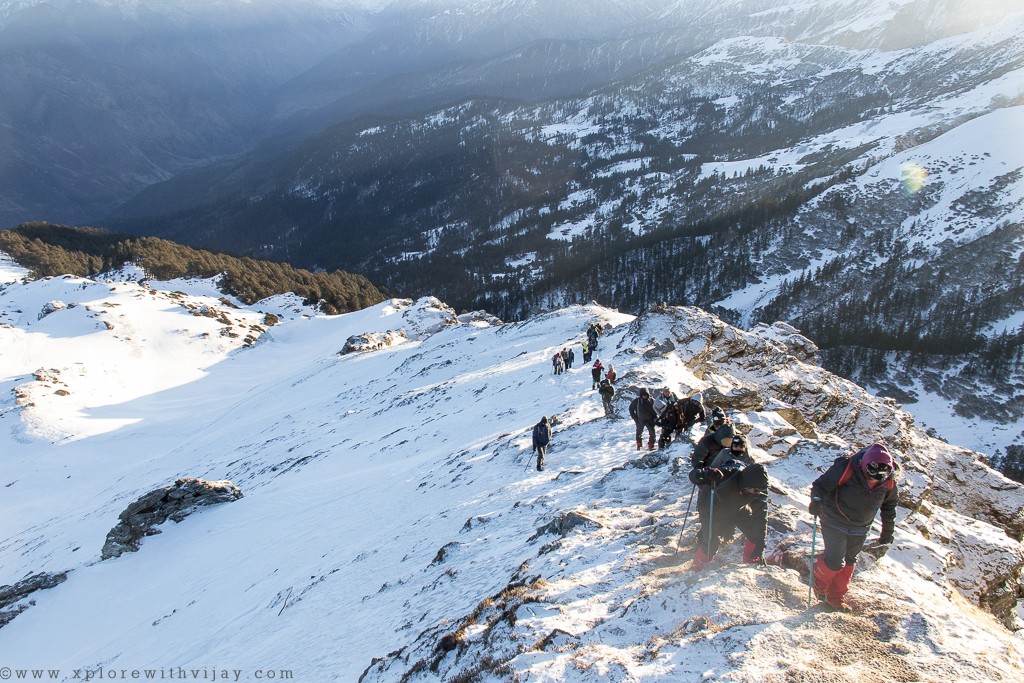
Summit day typically begins at 2:00-3:00 AM to reach the summit for sunrise, and this early morning start presents the coldest conditions of the entire trek. Temperatures at the summit during this pre-dawn period can reach -20°C or lower in January, with wind chill making it feel even colder. The climb from camp (approximately 11,500 feet) to the summit (12,500 feet) gains 1,000 feet over 2-3 hours, and you'll be climbing in near darkness during the coldest part of the night.
The key to summit success is staying warm before you start climbing. Your guide will wake you approximately 2 hours before departure time, giving you time to dress properly, use the bathroom, drink hot water, and eat something. Put on all your layers before leaving the tent—you generate less heat while walking slowly in the dark compared to daytime walking. Keep your down jacket on until you start generating body heat from climbing, then remove it to prevent excessive sweating (wet clothes from sweat make you colder).
Wind at the summit can be significant, even on relatively calm days. The summit ridge is exposed, and wind speeds of 20-30 km/h are common, making -10°C feel like -20°C with wind chill. Your outer shell must be truly windproof, and you should keep your face covered to prevent frostnip in extreme conditions.
Sankri Base Camp Weather
Sankri, at approximately 6,400 feet, serves as the base camp for most Kedarkantha treks. Temperatures here are significantly milder than at the summit—typically 8-12°C warmer. However, Sankri still gets cold at night during winter, with December-February nights ranging from -5°C to -15°C. Days in Sankri are pleasant even in winter, typically 5°C to 12°C when the sun is shining.
The temperature difference between Sankri and the summit is why most itineraries include a gradual ascent—spending a night or two at Sankri before ascending to higher camps helps with acclimatization and gives your body time to adjust to the cold gradually. Jumping straight from sea level to summit temperatures would be a shock to your system.
Sankri has basic guesthouses and homestays, which are considerably warmer than tents. Most winter trekkers spend their first night in Sankri in a guesthouse before moving to tented camps at higher elevations. This gradual transition from warm rooms to cold tents helps you assess how well your gear performs and make adjustments before summit day.
Summer vs Winter: Choosing Your Season
Winter (December-February): Offers the classic Kedarkantha experience with snow, challenging conditions, and true winter trekking. Pros include spectacular snow scenery, fewer crowds than peak seasons, and the satisfaction of completing a winter challenge. Cons include extreme cold requiring expensive gear, difficult trail conditions with deep snow, and higher risk of weather cancellations due to heavy snowfall or storms. Winter is best for experienced trekkers or fit beginners with proper gear and preparation.
Summer/Spring (March-June): Provides easier trekking with pleasant temperatures, blooming rhododendrons, and green landscapes. Pros include comfortable conditions, no specialized winter gear needed, easier trail navigation, and reliable weather. Cons include no snow scenery (unless early spring), more crowds during peak season, and hot conditions at lower elevations. Summer/spring is ideal for beginners, families, or those who prefer moderate adventures.
Autumn (September-November): Offers clear mountain views, comfortable temperatures, and stable weather. Pros include excellent Himalayan visibility, pleasant trekking conditions, and minimal precipitation. Cons include no snow scenery (except possibly late November) and potentially muddy trails in early September post-monsoon. Autumn is perfect for photographers and those who prioritize mountain panoramas over snow.
Safety Tips for Extreme Cold
Trekking in sub-zero temperatures requires specific safety knowledge. Hypothermia and frostbite are real risks in winter conditions, but they're preventable with proper preparation and awareness.
Preventing Hypothermia: Keep yourself dry—sweat-wicking base layers are essential, as wet clothes conduct heat away from your body 25 times faster than air. Change base layers if they become damp. Stay fueled—your body generates heat through digestion, so eat regularly even if you don't feel hungry. Stay hydrated—dehydration impairs your body's ability to regulate temperature. Watch for warning signs in yourself and others: uncontrollable shivering, slurred speech, confusion, or drowsiness indicate hypothermia and require immediate action.
Preventing Frostbite: Your extremities—fingers, toes, nose, ears—are most vulnerable. Keep them covered and warm. Check your feet regularly for cold spots that indicate poor circulation—wiggle toes frequently to maintain blood flow. If your fingers or toes become numb or pale, warm them gradually (not with hot water directly, which can damage tissue). Frostnip (minor frostbite) manifests as white, waxy skin and is reversible if treated promptly.
General Winter Safety: Never trek alone in winter—a buddy system is essential. Keep your guide informed about how you're feeling—cold, tired, or any concerns. Start early each day to avoid being caught out after dark when temperatures plummet. Know the symptoms of Acute Mountain Sickness (AMS)—headache, nausea, dizziness—and communicate them immediately. Your guide should carry a first aid kit, oxygen, and emergency communication, but you should also carry basic personal medications.
Kedarkantha's well-deserved popularity comes from its accessibility and scenic beauty across all seasons. Whether you choose the deep snow of January, the rhododendrons of April, or the clear views of October, understanding temperature patterns and preparing accordingly ensures a safe and memorable trekking experience in this beautiful corner of Uttarakhand.
Location
Frequently Asked Questions
Q1.What is the temperature at Kedarkantha?
Q2.What is the best time to visit Kedarkantha?
Q3.How cold is Kedarkantha in December?
Q4.What is the temperature in Kedarkantha in January?
Q5.What should I pack for Kedarkantha trek?
Q6.Is it too cold for Kedarkantha trek?
Q7.What is the weather like at Kedarkantha?
Q8.How much snow is there at Kedarkantha?
Recommended For You
Dhankar Lake Trek Spiti: Trail Details, Height & Timing
Complete guide to Dhankar Lake trek in Spiti Valley. Difficulty level, distance, height, best time, how to reach & detailed trekking guide with route map.
Bara Shigri Trek Spiti: Route, Season and Safety Tips
Plan Bara Shigri Trek Spiti with route readiness, season strategy, and safety-first high-altitude trekking guidance.
Valley Of Flowers: Trek Route Best Time And Permits
Complete Valley of Flowers trek guide. Best time to visit, route, difficulty, permits, accommodation & tips for this UNESCO World Heritage site in Uttarakhand.
Never Miss an Adventure
Get the latest trekking guides, travel tips, and exclusive offers delivered straight to your inbox.
