
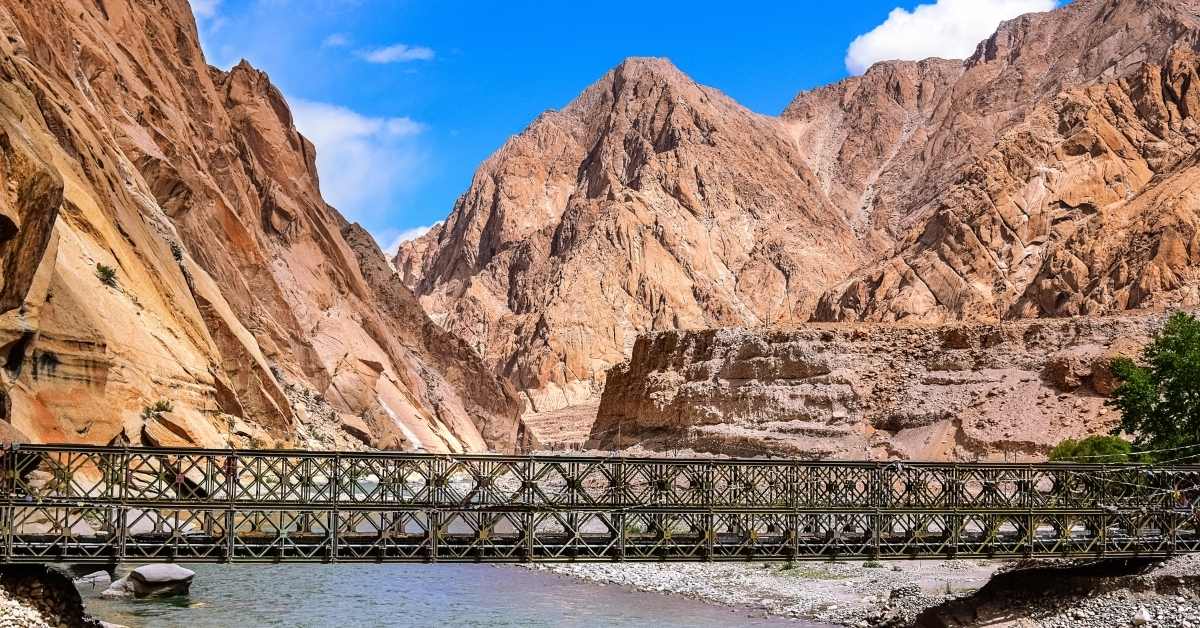
Nyoma Village Leh Ladakh: Travel Guide & Stay
Rohan Malhotra
January 18, 2026
Visit Nyoma Village in Ladakh! Guide to monastery, how to reach from Leh, Hanle route, accommodation, Inner Line Permit & best time to visit.
Introduction: Eastern Ladakh's Spiritual Village
Nyoma Village, situated in the remote Changthang region of eastern Ladakh, represents one of the most authentic and offbeat destinations in the entire Himalayan region. Located approximately 150 kilometers east of Leh, at an altitude of around 4,200 meters, this traditional village has preserved its cultural heritage and way of life despite Ladakh's rapid development and increasing tourism. Nyoma offers visitors a rare opportunity to experience Ladakhi culture in its purest form, far from the commercialized tourist areas that dominate the Leh region and other parts of Ladakh.
The village's strategic location near the India-China border and its position on the ancient trade routes to Tibet have given it historical importance that continues today in different forms. However, what makes Nyoma truly special is that despite this significance and proximity to attractions like Hanle, it remains largely unexplored by tourists. The village maintains a traditional character with ancient monasteries, traditional architecture, and a way of life that continues much as it has for centuries. For travelers seeking authentic Himalayan experiences, spiritual encounters, and offbeat adventures, Nyoma Village represents a destination that delivers profound insights into Ladakhi culture and the resilience of high-altitude desert communities.
About Nyoma Village
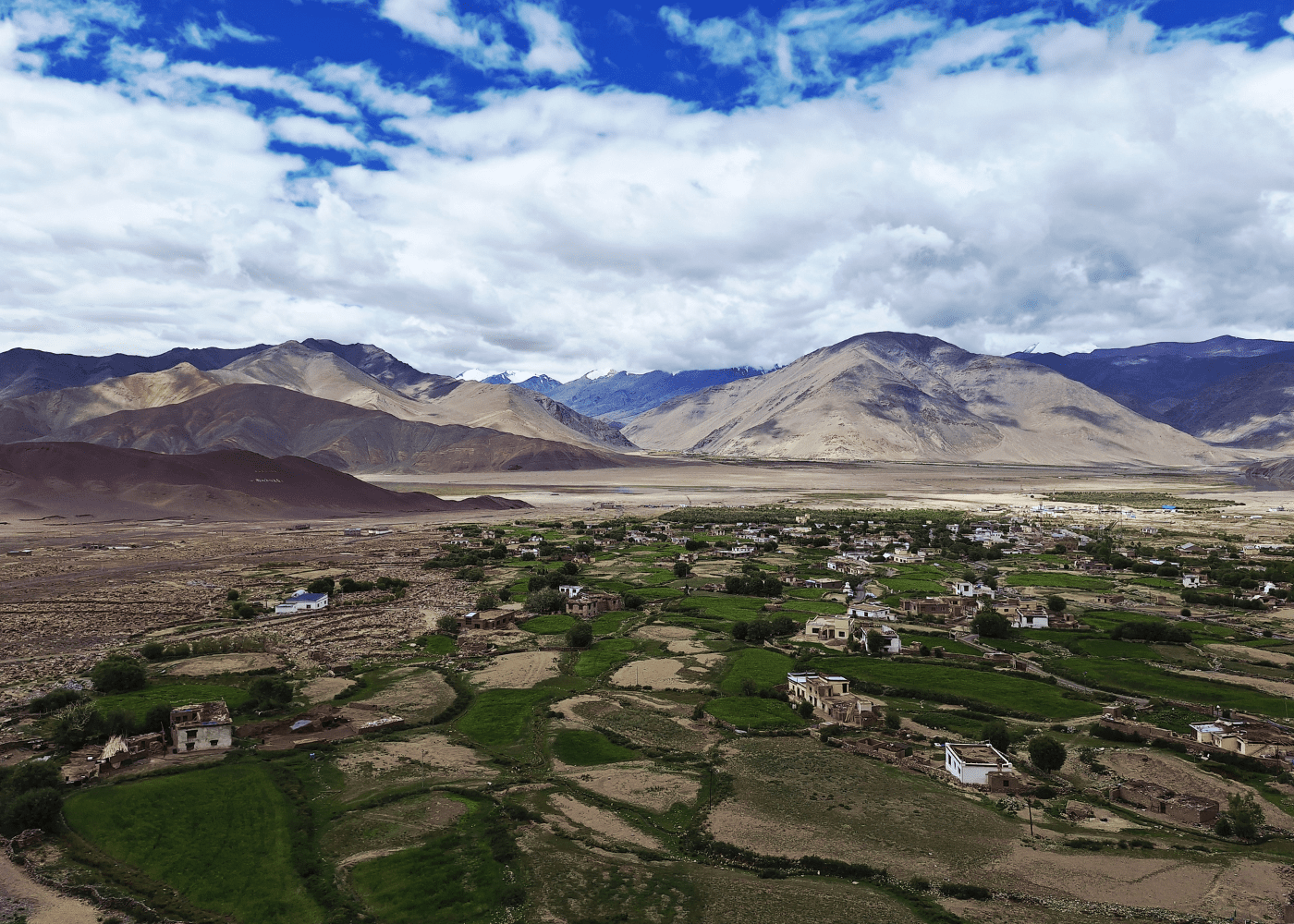
Nyoma Village represents traditional Ladakhi life at its most authentic.
Location
Nyoma is situated approximately 150 kilometers east of Leh, in the Changthang region of eastern Ladakh. The journey from Leh takes approximately 5-6 hours by road, passing through the spectacular Upshi Valley and Chumathang hot springs. The village sits in a high-altitude desert landscape, surrounded by barren mountains that provide dramatic backdrops. Its location near the Pangong Tso extension route and proximity to the India-China border adds strategic and geopolitical significance to its cultural importance.
Altitude
At approximately 4,200 meters (13,780 feet) above sea level, Nyoma Village is situated at a substantial altitude. This high-altitude location means the air is thin, temperatures can be extreme, and visitors need time for acclimatization. The village's altitude also creates the clear, thin air that makes for stunning mountain visibility and crisp, bright days. The thin air and low oxygen levels require physical adjustment, particularly for activities like trekking or even extended walking. However, this altitude is lower than many destinations in the region, making it accessible with proper acclimatization.
Population
Nyoma Village has a small population of approximately 500 residents, making it a tight-knit community where everyone knows everyone and traditional social structures remain strong. This small population has helped preserve traditional ways of life, as the village has not faced the same pressures for modernization and development that larger Ladakhi settlements have experienced. The community's size means visitors receive genuine hospitality and interest rather than commercialized tourist service. The small population also means the village maintains a peaceful, intimate atmosphere where traditional Ladakhi values of community support, hospitality, and spiritual practice remain central to daily life.
Geography
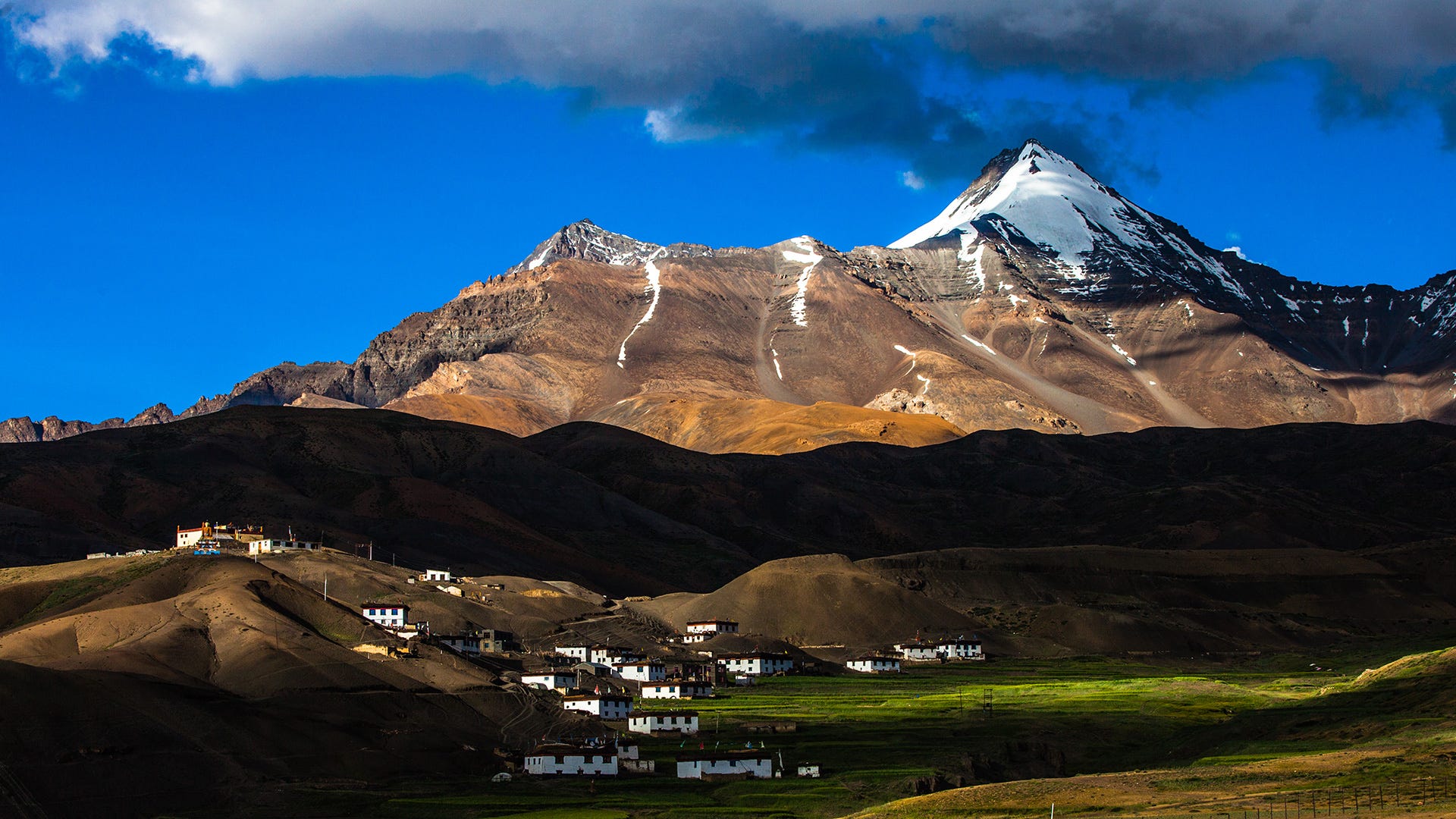
Nyoma's geography is characterized by the high-altitude desert landscape typical of Changthang. The village sits in a valley surrounded by barren, dramatic mountains with snow-capped peaks visible on clear days. The Indus River flows nearby, providing the essential water source for this arid region. The landscape is mostly barren rock and desert vegetation, though some green exists around water sources and where irrigation enables agriculture. The dramatic geographical setting, with vast emptiness and towering mountains, creates a sense of being in one of the world's most remote and spectacular environments. The geography also means the village experiences extreme weather with harsh winters and short, intense summers.
Culture
Nyoma's culture represents traditional Ladakhi Tibetan Buddhist heritage preserved in its authentic form. The village follows traditional agricultural and livestock practices that have sustained high-altitude desert communities for generations. Tibetan Buddhism influences every aspect of daily life, from the monastery at the village center to prayer flags fluttering from homes. Traditional festivals celebrate Buddhist deities and mark agricultural cycles. The architecture maintains traditional Ladakhi elements with flat roofs, thick walls for insulation against extreme cold, and traditional layouts designed for community living. The village has resisted rapid modernization, maintaining cultural practices, language, and ways of life that connect contemporary residents with their ancestors.
How to Reach from Leh
The journey to Nyoma from Leh is an adventure in itself, passing through spectacular Ladakhi landscapes.
Distance
The distance from Leh to Nyoma Village is approximately 150 kilometers by road. This distance takes approximately 5-6 hours of travel time, making it a full-day journey. The route passes through varied landscapes including the Upshi Valley, the Chumathang area, and the Changthang plateau. The journey itself becomes part of the Nyoma experience, offering insights into the diversity of Ladakhi geography and life in remote villages. The distance means Nyoma receives fewer casual visitors who might make shorter trips from Leh, contributing to its unexplored character.
Route
The route from Leh to Nyoma follows Leh → Upshi → Chumathang → Nyoma. This route, mostly paved but remote, passes through some of Ladakh's most spectacular landscapes. The Upshi Valley offers dramatic mountain scenery and traditional villages. Chumathang provides an opportunity to visit the famous hot springs and break the journey. The final section into Changthang opens up to vast, empty high-altitude plateau that seems to stretch to infinity. The route is well-marked but remote, with long stretches between settlements. Fuel stations are limited, so filling up in Leh is essential.
By Road
Several transportation options exist for reaching Nyoma. Private taxi provides the most convenient option, allowing for stops at your own pace and door-to-door drop-off. Shared taxi offers a more budget-friendly option, though requires coordinating with other passengers. Self-driving is possible but requires experience with remote mountain roads and proper preparation. The road conditions are mostly paved but include steep mountain sections that demand driving skill and attention. Remote stretches have no services, so carrying extra fuel, water, and emergency supplies is essential. The road accessibility is generally limited to May-October due to snow in winter.
Best Starting Point
Starting early morning from Leh, around 6-7 AM, is recommended for several reasons. The journey takes the full day, and early departure allows for completion with daylight remaining. Early starts also mean passing through settlements during their active morning hours, providing opportunities to experience village life along the route. Road conditions and visibility are typically better in the morning before winds pick up and before heat creates haze. Early departure also leaves time for unexpected delays or for making stops at attractions like Chumathang without rushing the overall journey to Nyoma.
Fuel Stops
Fueling up in Leh before departure to Nyoma is absolutely essential. Fuel stations are extremely limited along the route, with Upshi being the only reliable option. Some remote settlements might have fuel available unofficially, but this cannot be relied upon. The distances between potential fuel stops are long, and running out of fuel in this remote region could create serious problems. Carrying extra fuel in jerrycans is recommended for safety. The remote nature of the route means that planning fuel needs in advance is not just practical but essential for a safe journey.
Break Journey
The Chumathang hot springs, located approximately halfway between Leh and Nyoma, provide the perfect break point for the journey. These natural hot springs, with their medicinal properties and hot temperatures, offer relief from long hours of driving and acclimatization benefits. The springs are open to the public, with basic bathing facilities. Many travelers stop here for a soak, which helps with altitude adjustment and provides a cultural experience as locals also use the springs. The break also allows for stretching legs after sitting in the vehicle and experiencing one of Ladakh's natural attractions. The hot springs make the long drive to Nyoma feel like a journey rather than just endurance.
Road Accessibility
The road to Nyoma is accessible only from approximately May to October. Heavy winter snowfall from November to April closes high passes and makes the route impassable. The short accessibility window means planning visits during the open season is essential. Even within the open season, weather can affect accessibility with sudden snowfall or road damage. Always check current road conditions before departing Leh. The limited accessibility period contributes to Nyoma's remote character and preservation of traditional life, as mass tourism cannot easily develop with such a short tourist season.
Nyoma Monastery & Spiritual Significance
The Nyoma Gompa represents the spiritual heart of the village and an important Buddhist site.
Nyoma Gompa
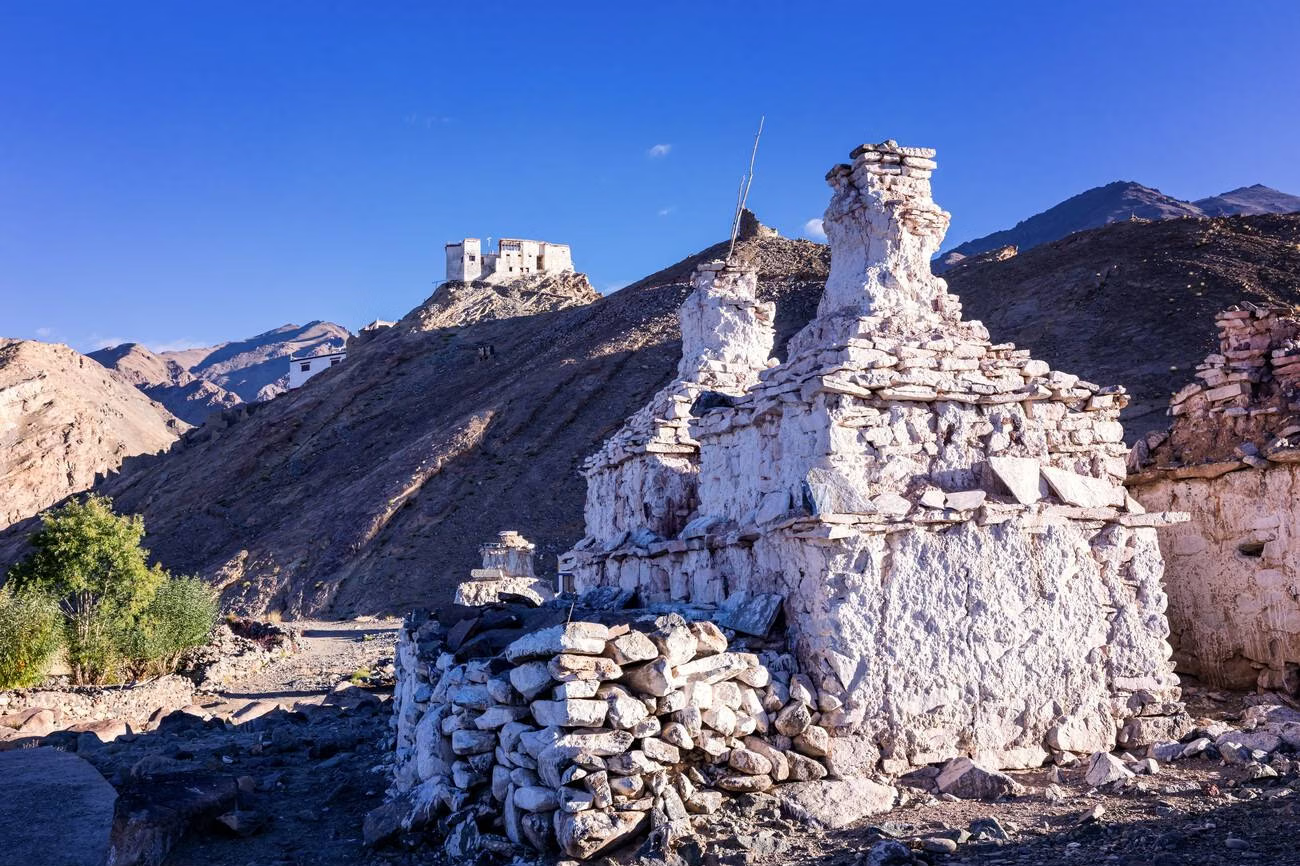
The Nyoma Gompa, the village monastery, is an ancient Buddhist monastery belonging to the Gelugpa school of Tibetan Buddhism. The monastery, several centuries old, represents traditional Tibetan architectural style adapted to the harsh high-altitude environment. The monastery complex includes the main prayer hall with its collection of thangkas, Buddhist scroll paintings that serve both as devotional objects and artistic masterworks. A large statue of Buddha dominates the main shrine, creating a powerful focal point for spiritual practice. The monastery's location, with panoramic views of the surrounding mountains, enhances its spiritual ambiance. Unlike many monasteries that have become tourist attractions, Nyoma Gompa primarily serves the local community and visiting pilgrims.
Architecture
The monastery's traditional Tibetan architecture reflects both religious significance and practical adaptation to high-altitude conditions. Thick walls provide insulation against extreme cold temperatures. The flat roof design prevents snow accumulation while allowing for terrace use during favorable weather. Traditional paintings decorate both interior and exterior walls, depicting Buddhist deities, mandalas, and important scenes from Buddhist cosmology. The prayer hall's interior is designed for spiritual practice with designated spaces for chanting, meditation, and rituals. The layout follows traditional patterns that have evolved over centuries of monastic life in the Himalayas.
Features
The monastery's main features create a comprehensive spiritual and cultural experience. The prayer hall houses the central Buddha statue and numerous smaller statues of various deities. Ancient murals on walls tell stories from Buddhist mythology and historical events. Prayer wheels, which devotees spin while reciting mantras, are positioned around the monastery. A small stupa at the complex provides space for circumambulation, an important Buddhist practice. Monastic residences for the small community of monks maintain the monastery's daily operations. These features together create a space where Buddhist practice continues uninterrupted as it has for centuries.
Spiritual Activities
Life at Nyoma Gompa follows traditional monastic schedules. Morning and evening prayers are attended by monks and village devotees. Buddhist festivals, particularly Losar (Tibetan New Year) and other important religious holidays, see the monastery come alive with ceremonies, masked dances, and community celebrations. Monastic rituals for auspicious occasions involve the entire village community. Meditation sessions provide opportunities for spiritual practice. The monastery also serves educational functions, teaching younger monks Buddhist philosophy, scriptures, and practices. Visitors can often participate in morning prayers or meditation sessions, experiencing the monastery's living spiritual tradition.
Accommodation & Village Stay
Staying in Nyoma provides an authentic village experience, though facilities are basic.
Homestays
Homestays in Nyoma offer the best local experience and are the primary accommodation option. Traditional Ladakhi homes provide basic but comfortable rooms with thick walls that maintain warmth. The architecture typically includes communal areas and traditional Ladakhi features like bukhari (traditional stove). Home-cooked meals, featuring local ingredients and traditional Ladakhi recipes, provide cultural insights through food. Staying with local families allows for genuine cultural exchange, learning about daily life, customs, and traditions. Cost for homestays typically ranges from ₹800 to ₹1,500 per night, including meals. The experience is authentic and personal, with families treating guests as extended family members rather than customers.
Guesthouses
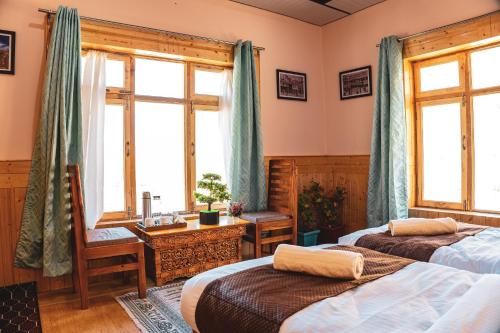
Some basic guesthouses operate in Nyoma, offering simple rooms with shared facilities. These guesthouses provide slightly more privacy than homestays while still maintaining local character. Amenities are minimal but functional - clean bedding, traditional bukhari for heating, and basic bathroom facilities. Some guesthouses may have electricity for limited hours using solar power. Hot water is not guaranteed and may require manual heating. The guesthouses' simple nature means lower costs but also means adjusting expectations for comfort levels compared to urban hotels.
What to Expect
Visitors to Nyoma must expect basic facilities and traditional conditions. Electricity is limited and may not be available 24 hours, relying on solar power that depends on weather. Hot water is not automatic and may require manual bucket heating or traditional bukhari. Internet connectivity is minimal or non-existent, with mobile networks limited to BSNL or Vodafone. Bathrooms are traditional dry toilets or basic western-style facilities. The lack of modern amenities is compensated by authentic cultural experiences, stunning natural beauty, and peaceful atmosphere. Guests should bring warm clothing, flashlights or headlamps, and chargers with power banks. The basic facilities are part of the authentic high-altitude village experience.
Nearby Attractions
Nyoma serves as a base for exploring several fascinating attractions in eastern Ladakh.
Hanle
Hanle, located approximately 70 kilometers from Nyoma, is one of the most beautiful and remote destinations in Ladakh. The drive from Nyoma to Hanle takes approximately 2-3 hours through spectacular high-altitude landscapes. Hanle offers several major attractions including the ancient Hanle Monastery with its traditional architecture and panoramic valley views. The Indian Astronomical Observatory at Hanle provides one of the world's best stargazing locations due to high altitude, clear skies, and minimal light pollution. The lake near Hanle offers opportunities for reflection and photography of changing mountain colors. Hanle's remote location means it remains largely unexplored, maintaining the authentic character that Nyoma visitors appreciate.
Chumathang Hot Springs
Chumathang Hot Springs, approximately 40 kilometers from Nyoma, are natural hot water springs with believed medicinal properties. The hot springs, located in a scenic setting surrounded by mountains, provide perfect relief after the long journey from Leh. Multiple pools with different temperatures offer options for soaking. Basic bathing facilities are available, and the springs are used by both locals and travelers. The hot springs are particularly popular during the colder months when their warmth feels especially beneficial. The surrounding landscape, with traditional Changthang scenery, adds to the overall experience. Many travelers break their journey to Nyoma at Chumathang to acclimatize and relax before continuing to the village.
Mahe Bridge
The Mahe Bridge across the Indus River is a scenic spot that offers excellent photography opportunities. The traditional-style bridge, set against dramatic mountain backdrops, creates a classic Ladakhi scene. The river below, particularly during summer when flowing vigorously, adds dynamic movement to the scene. The bridge serves as an important crossing point for the region and offers views of both upstream and downstream river valleys. The surrounding area provides flat spots for picnicking and enjoying the mountain scenery. Many travelers stop here for photography breaks during the long drive through Changthang, making it an unofficial but essential stopping point.
Inner Line Permit & Regulations
Visiting Nyoma requires understanding and obtaining the Inner Line Permit.
Inner Line Permit
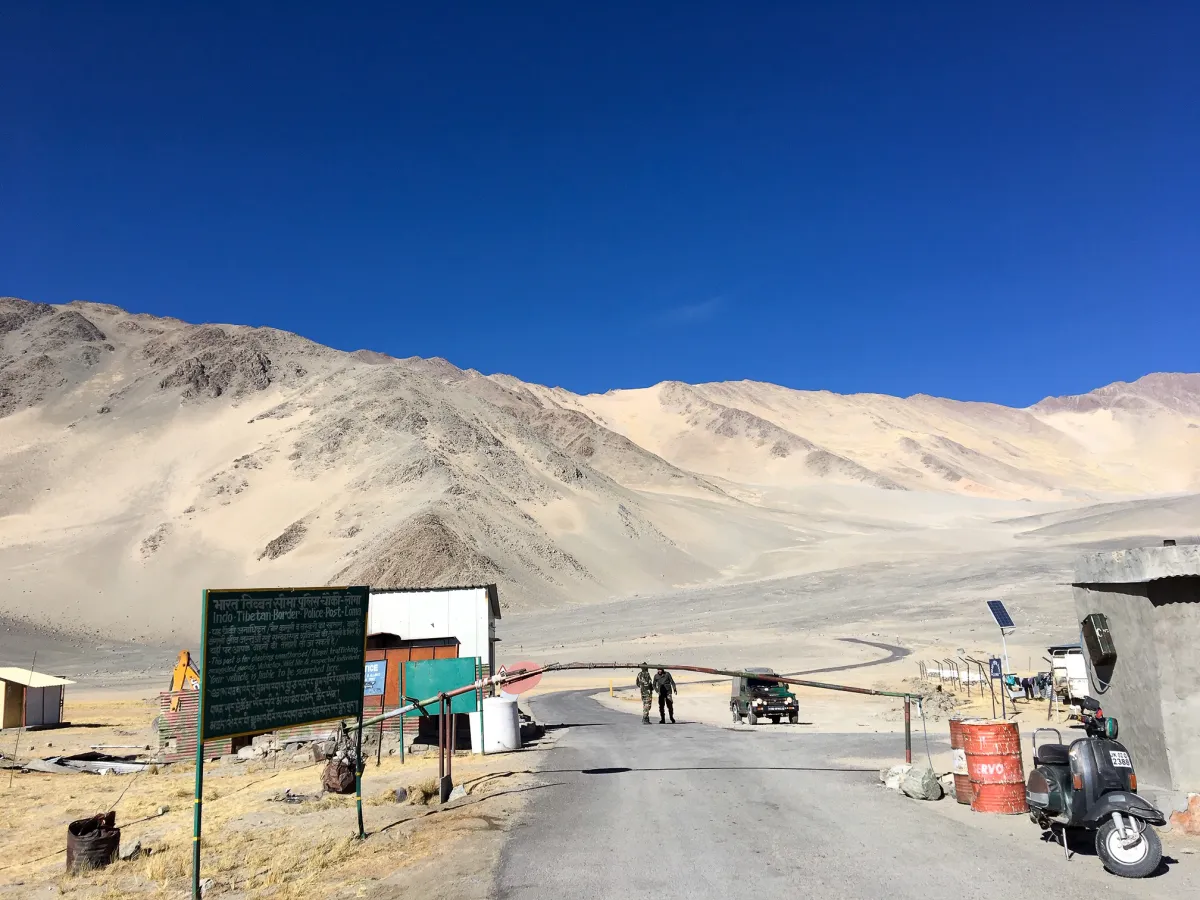
The Inner Line Permit is required for all Indian and foreign tourists visiting Nyoma Village. This permit, regulated by the Indian government due to Nyoma's proximity to the India-China border, controls access to sensitive border areas. The permit is obtained from the DC (Deputy Commissioner) Office in Leh. The permit specifies dates of travel and areas that can be visited. Multiple photocopies should be carried as checkpoints frequently require retaining a copy. The permit is essential and travelers attempting to enter restricted areas without it can face serious consequences. The permit system exists for both security reasons and to manage tourist impacts on sensitive regions.
Documents Required
Obtaining the Inner Line Permit requires several documents. Indian citizens need ID proof such as Aadhaar card or passport. Foreign tourists need passports with valid visas. Passport-size photographs (typically 4) are required. The permit application form, available at the DC Office, must be completed with details including planned itinerary and travel dates. Group size is sometimes restricted, so confirming this in advance is important. Having all documents prepared and organized before visiting the DC Office helps expedite the permit application. The documents are straightforward but must be correct and complete.
Cost & Processing
The Inner Line Permit costs a minimal fee, typically around ₹200-400 per person. The fee is minimal but the process requires visiting the DC Office in person. Processing time is usually the same day or the next day, though arriving early in the morning is recommended for same-day issuance. The permit validity ranges from 7 to 14 days depending on the requested itinerary and official discretion. Extensions may be possible with additional applications. The cost and processing time are reasonable, but the requirement adds an administrative step to travel planning.
Visiting Nyoma Village offers a profound experience of Ladakh's authentic culture, spiritual heritage, and remote high-altitude landscapes. The journey from Leh itself becomes an adventure through spectacular terrain. The village's traditional character, ancient monastery, and position in the Changthang region provide insights into a Ladakh that exists far from the tourist trails. For travelers seeking genuine Himalayan experiences, spiritual encounters, and offbeat adventures, Nyoma delivers memories and understanding that go far beyond typical tourist experiences. The village represents the resilience and beauty of traditional Ladakhi life in one of the world's most challenging and rewarding environments.
Location
Frequently Asked Questions
Q1.Where is Nyoma Village located in Ladakh?
Q2.How far is Nyoma from Leh?
Q3.What is the best time to visit Nyoma?
Q4.What is special about Nyoma Monastery?
Q5.Can we stay in Nyoma Village?
Q6.What are the main attractions near Nyoma?
Q7.Do we need Inner Line Permit for Nyoma?
Q8.How to reach Nyoma from Leh?
Q9.Is Nyoma Village safe for tourists?
Q10.What is the altitude of Nyoma Village?
Recommended For You
1-Month Europe Trip Cost from India: Complete Budget Breakdown
Planning a 1-month Europe trip from India? Get complete cost breakdown including flights, visa, accommodation, food & transport. Budget ₹1.5-4.5 lakhs with our detailed guide.
Best Airbnbs in Shimla: Heritage Stays & Modern Accommodations
Discover best Airbnbs in Shimla - from heritage colonial bungalows to modern mountain apartments. Complete guide with locations, prices, amenities & seasonal tips.
Spiti Valley 8 Days: Complete Itinerary And Route Plan
Plan perfect 8 days Spiti Valley trip from Delhi/Manali. Discover complete itinerary, best time to visit, budget & essential travel tips.
Never Miss an Adventure
Get the latest trekking guides, travel tips, and exclusive offers delivered straight to your inbox.
