
Hill Stations
Snowfall in Ladakh: Best Months, Temperature & Travel Prep

Priya Mehta
November 16, 2025
12 min read2,901 views
Complete guide to snowfall in Ladakh. Learn when it snows, winter temperatures, best places to see snow, activities like Chadar Trek, and winter travel tips.
Snowfall in Ladakh: A Himalayan Winter Wonderland
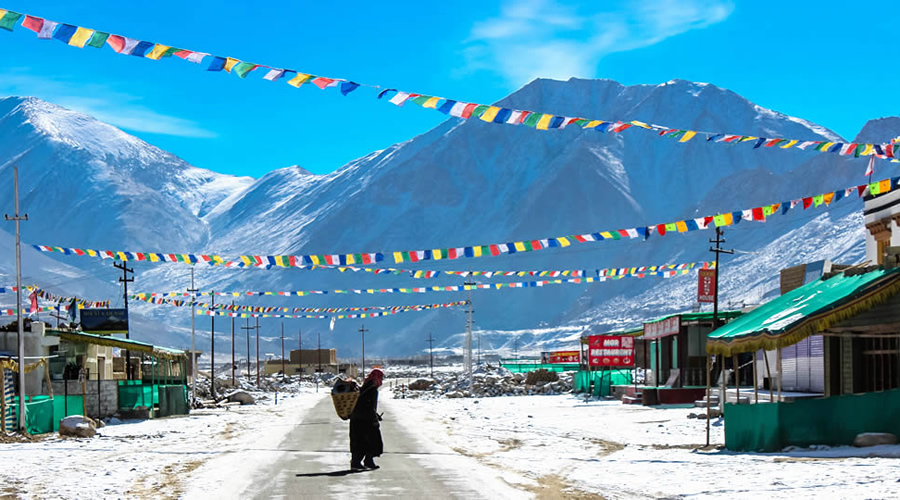
Ladakh, the crown jewel of India's Himalayan region, undergoes a magical transformation when winter arrives and snowfall blankets this high-altitude desert. What was once a rugged, brown landscape of mountains and monasteries becomes an ethereal white paradise that few travelers ever experience. The snowfall in Ladakh creates scenery so dramatic and otherworldly that it feels like stepping onto another planet. The winter season in Ladakh offers intrepid travelers a chance to witness the region in its most pristine and peaceful state. With summer crowds gone, ancient monasteries dusted with snow, frozen lakes reflecting clear blue skies, and temperatures that test human endurance, Ladakh in winter is not for the faint-hearted but rewards those who dare to venture with unforgettable memories.
When Does It Snow in Ladakh?
Snowfall in Ladakh follows a predictable yet variable pattern that typically spans five months from late autumn to early spring. Understanding this pattern is crucial for planning your winter adventure to this Himalayan wonderland. November marks the beginning of the snowfall season in Ladakh. Early November usually sees the first significant snowfall, particularly at higher altitudes and mountain passes. This initial snowfall serves as a warning that winter is approaching, and the famous Manali-Leh and Srinagar-Leh highways will soon close for the season. By late November, Leh town and surrounding areas begin receiving regular snowfall. December and January represent peak snowfall months in Ladakh. During these months, snowfall is frequent and heavy, blanketing the entire region in white. December typically sees more consistent snowfall, while January often brings the coldest temperatures along with occasional fresh snow. These months offer the most reliable snow conditions for winter activities and photography. February continues to bring snowfall, though with slightly less frequency than December-January. The accumulated snow from previous months remains on the ground, creating excellent conditions for winter sports and trekking. February is also when the famous Chadar Trek (Zanskar trek) is most popular, as the frozen Zanskar River is at its most stable. March represents a transition period when snowfall becomes less frequent, and temperatures begin to rise slightly. However, March can still see significant snowfall, particularly in the first half of the month. By late March, the snow begins to melt at lower altitudes, though mountain passes remain heavily snow-covered. Snowfall duration and accumulation in Ladakh is impressive. Once snow falls, it typically remains on the ground for the entire winter season due to consistently sub-freezing temperatures. In sheltered areas and valleys, snow can accumulate to depths of several feet. The region receives an average of 50-100 cm of snowfall annually, though this varies by altitude and specific location.| Month | Snowfall Probability | Temperature Range | Road Status |
|---|---|---|---|
| November | High (increasing) | -5°C to 10°C | Closing mid-month |
| December | Very High | -15°C to 5°C | Closed |
| January | Very High | -20°C to 0°C | Closed |
| February | High | -15°C to 2°C | Closed |
| March | Moderate | -10°C to 8°C | Opening late month |
Winter Weather & Temperature in Ladakh
Ladakh's winter weather is characterized by extreme cold, bright sunshine, and remarkably clear skies. The high altitude (Leh is at 3,500 meters) and rain shadow location create unique winter conditions that visitors must understand and prepare for. Daytime temperatures during winter typically range from -5°C to 5°C in Leh town. While these temperatures might not seem extreme to those familiar with cold climates, the intense sun can make daytime feel surprisingly pleasant. It's not uncommon to see locals and visitors sitting in the sun wearing light clothing during the warmest part of the day, even when the thermometer reads below freezing. Nighttime temperatures drop dramatically, with readings commonly reaching -20°C to -30°C. In particularly cold spells, temperatures can plummet even lower. The rapid temperature drop between day and night creates challenging conditions, as buildings and surfaces that warmed in the sun freeze quickly once the sun sets. Wind chill significantly impacts how cold it feels. Ladakh experiences strong winds, especially in open valleys and mountain passes. A -10°C day with wind can feel like -20°C or colder. Wind protection is essential, as exposed skin can quickly suffer from frostbite in these conditions. Sunshine is abundant despite the cold. Ladakh winter days are characterized by brilliantly clear blue skies and intense sunlight. The UV index can be surprisingly high due to the thin atmosphere at high altitude. Sunscreen and sunglasses are essential, even when it's freezing cold. Humidity is extremely low in Ladakh's winter, creating the dry cold that feels different from the damp cold experienced in many other regions. This dryness can cause dehydration, cracked skin, and nosebleeds. Staying hydrated and using moisturizer is crucial. Altitude considerations are significant. The thin air at Ladakh's elevation means less oxygen, which can make physical activity more challenging. Cold temperatures and low oxygen combine to create conditions that require careful pacing and adequate rest.Best Places to See Snow in Ladakh
Ladakh offers numerous locations where snowfall creates spectacular scenery. Each destination provides a different perspective on winter in this Himalayan wonderland. Leh Town, the capital of Ladakh, transforms beautifully during snowfall. The flat-roofed houses, ancient Leh Palace, winding streets, and surrounding mountains all take on a magical quality under fresh snow. Namgyal Tsemo Monastery, perched above the town, is particularly photogenic when dusted with white against deep blue skies. Walking through Leh's narrow lanes during snowfall feels like stepping back in time. Nubra Valley, known for its sand dunes in summer, becomes a white winter wonderland. The contrast between snow-covered mountains and the valley floor is stunning. The Diskit Monastery, with its massive Maitreya Buddha statue, looks incredible against a backdrop of snow-covered peaks. Diskit Monastery, with its massive Maitreya Buddha statue, looks incredible against a backdrop of snow-covered peaks. The famous double-humped Bactrian camels, normally seen in sand, can sometimes be spotted in the snow, creating surreal images. Pangong Tso Lake freezes solid in winter, creating one of Ladakh's most iconic winter scenes. The vast Pangong Lake, which stretches from India to Tibet, becomes a white ice sheet that reflects the surrounding snow-covered mountains. Walking on the frozen lake surface is an otherworldly experience, though this should only be done with experienced guides who know the ice thickness and safe areas. Tso Moriri Lake, at higher altitude than Pangong, freezes even more completely and remains inaccessible by road for much of the winter. The journey to Tso Moriri in winter requires careful planning and local expertise, but the reward is witnessing one of Ladakh's most pristine and remote locations in its frozen glory. Khardung La Pass, one of the world's highest motorable passes, receives massive snowfall and is typically closed to regular traffic in winter. The area around Khardung La offers spectacular snow scenery, though reaching it in winter requires specialized vehicles and experienced drivers. The snow walls along the road can reach several meters in height. Zanskar Valley is perhaps Ladakh's most dramatic winter destination. The entire region becomes buried under snow, and the frozen Zanskar River creates the famous Chadar trek route. This remote valley offers the most authentic winter experience in Ladakh, with traditional life continuing much as it has for centuries despite extreme conditions.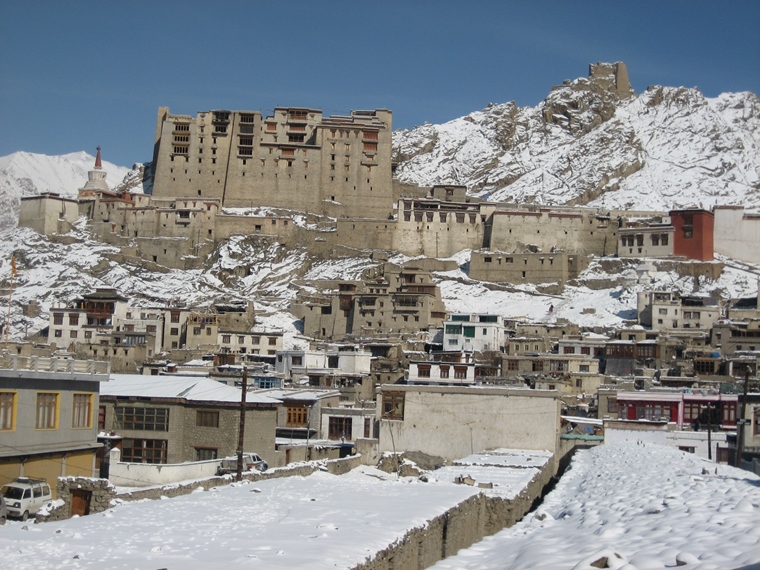
Winter Activities During Snowfall
Winter in Ladakh offers unique activities that are impossible during summer months. These experiences draw adventurous travelers from around the world who seek something beyond typical tourist activities. Chadar Trek is Ladakh's most famous winter adventure. This trek involves walking on the frozen Zanskar River, surrounded by towering cliffs and snow-covered mountains. The ice varies from translucent to opaque white, with sections where water flows visible beneath. The trek typically takes 5-7 days and offers a glimpse into Zanskari life in remote villages. Warm clothing and good fitness are essential, as temperatures can drop to -30°C at night. Ice skating has gained popularity in Ladakh. Natural frozen ponds and purpose-built rinks in Leh offer skating opportunities. The Ladakh Winter Sports Club has been working to promote winter sports, and skating competitions attract participants from across India. Skating under the bright Himalayan sun surrounded by snow-capped peaks is an unforgettable experience. Snow trekking around Leh and nearby villages provides opportunities to experience winter scenery without the commitment of the Chadar Trek. Guided day treks to monasteries, viewpoints, and villages allow visitors to witness winter life in Ladakh. These treks are excellent for photography and cultural experiences. Ladakh Winter Festival (Losar celebration) typically occurs in December or January. This festival showcases traditional Ladakhi culture, including masked cham dances, music, sports competitions on frozen rivers, and local food. The festival provides insight into how Ladakhis have celebrated winter for centuries and offers opportunities to interact with local communities. Monastery visits take on special significance in winter. With fewer tourists, monks have more time for conversations and explanations. Thiksey, Hemis, Diskit, and other monasteries are particularly atmospheric when dusted with snow. Many monasteries hold special winter ceremonies and prayers that visitors can witness. Photography in winter Ladakh is unparalleled. The quality of winter light, combined with white landscapes and deep blue skies, creates stunning images. Golden hour light on snow-covered mountains, frozen lakes, traditional architecture, and winter portraits of local people offer endless photographic opportunities. Wildlife spotting is possible in winter, though more challenging. Snow leopards descend to lower elevations in winter, making them slightly easier to spot (though still extremely rare). Other wildlife includes blue sheep (bharal), Tibetan wolves, and various bird species that winter in Ladakh. Wildlife viewing in winter requires patience, warm clothing, and expert local guides.How to Reach Ladakh in Winter
Reaching Ladakh in winter requires different logistics than summer travel, as road access is completely cut off and air travel becomes the only option. By air is the only practical way to reach Ladakh in winter. Kushok Bakula Rimpochee Airport in Leh operates year-round, weather permitting. Air India, GoAir, and other airlines operate daily flights from Delhi to Leh. Flight duration is approximately 1 hour 15 minutes. Flight considerations are important. Winter weather can cause flight cancellations or delays due to poor visibility at Leh airport. Morning flights are generally more reliable than afternoon ones as weather conditions typically deteriorate later in the day. It's wise to plan buffer days in your itinerary in case of flight disruptions. From Srinagar, flights are available but less frequent than Delhi flights and more susceptible to weather cancellations due to Srinagar's winter fog and snow. The Srinagar-Leh flight offers spectacular views of snow-covered mountains and glaciers when weather permits. Road access is completely closed in winter. Both the Manali-Leh Highway (via Rohtang Pass) and Srinagar-Leh Highway (via Zoji La) receive massive snowfall and are officially closed from around November to May. These passes can receive 10-20 feet of snow, making them impassable. Even with specialized vehicles, attempting these roads in winter is extremely dangerous and not recommended. Internal transportation in Ladakh during winter is also challenging. While the main Leh-Nubra road via Khardung La may occasionally be opened with massive snow clearance efforts, it's unreliable. Most winter visitors base themselves in Leh and take day trips to accessible nearby areas. Hiring experienced local drivers with 4WD vehicles is essential.What to Pack for Ladakh Winter
Proper packing is absolutely critical for a safe and comfortable winter visit to Ladakh. Inadequate preparation can make the trip miserable or even dangerous. Layering system is the foundation of winter dressing in Ladakh. Start with thermal underwear (top and bottom) as your base layer. Add fleece sweaters or down jackets as mid-layers. Top this with a heavy, waterproof and windproof outer jacket. Multiple thin layers are more effective than one thick layer, as they trap air and allow temperature adjustment. Extremities protection is crucial. Pack heavy woolen socks (at least 3-4 pairs), insulated gloves or mittens (mittens are warmer), a warm hat that covers ears, and a neck warmer or scarf. These items are essential as extremities are most susceptible to frostbite. Consider chemical hand warmers for extra warmth. Footwear requires special attention. Insulated, waterproof boots with good grip are essential. The boots should be large enough to accommodate thick socks and allow toe movement. Consider bringing gaiters to keep snow out of your boots. Trekking poles with snow baskets can help with balance on slippery surfaces. Skin protection is often overlooked but vital. Pack cold cream, moisturizer, lip balm with sun protection, and sunscreen (SPF 50+). The combination of dry air, strong sun, and wind will damage skin quickly. Sunglasses with UV protection are essential to prevent snow blindness. Health supplies should include any personal medications, plus Diamox (for altitude sickness), pain relievers, throat lozenges, and first aid items. The dry air can cause respiratory issues, so stay hydrated and consider a humidifier for your room if available. Equipment recommendations include a good quality sleeping bag rated for -20°C if you're trekking, a headlamp for power outages, a portable power bank for electronics (batteries drain quickly in cold), and a camera with weather sealing. Clothing materials matter. Avoid cotton, which loses insulation when wet. Merino wool, synthetic materials, and down are excellent choices. Pack extra layers as you can always remove them if too warm.Conclusion
Snowfall in Ladakh transforms this high-altitude desert into one of the world's most spectacular winter destinations. The combination of pristine white landscapes, ancient Buddhist culture, extreme temperatures, and unique winter experiences creates an adventure that's both challenging and deeply rewarding. While the cold is intense and logistics are complicated, those who venture to Ladakh in winter are rewarded with empty monasteries, frozen lakes, warm hospitality, and memories that last a lifetime. Proper preparation, respect for local conditions, and flexibility are key to a successful winter Ladakh experience. Whether you're trekking the frozen Zanskar, photographing snow-covered monasteries, or simply enjoying the silence of winter in the Himalayas, snowfall in Ladakh offers an unparalleled adventure for the intrepid traveler.Location
Frequently Asked Questions
Q1.When does it snow in Ladakh?
Snowfall in Ladakh typically begins in November and continues through March. December and January see the heaviest and most frequent snowfall. For the best snow conditions, plan your visit between December and February when the entire region is blanketed in white.
Q2.How cold does Ladakh get in winter?
Ladakh experiences extreme winter cold with daytime temperatures ranging from -5°C to 5°C and nighttime temperatures dropping to -20°C to -30°C. Wind chill can make it feel even colder. The dry air and high altitude make the cold feel different from more humid regions.
Q3.Is Ladakh accessible in winter?
Yes, Ladakh is accessible in winter only by air. All roads (Manali-Leh and Srinagar-Leh highways) close from approximately November to May due to heavy snow. Daily flights operate from Delhi to Leh, though winter weather can cause cancellations. Plan buffer days for flight delays.
Q4.Can we see snow in Leh in December?
Yes, December is one of the best months to see snow in Leh and throughout Ladakh. December sees frequent and heavy snowfall, with the entire region transformed into a winter wonderland. The snow that falls in December typically remains on the ground throughout the winter.
Q5.What can we do in Ladakh in winter?
Winter activities in Ladakh include the famous Chadar Trek on the frozen Zanskar River, visiting snow-covered monasteries, ice skating, snow trekking, photography of winter landscapes, attending the Ladakh Winter Festival, and wildlife watching for snow leopards.
Q6.Which month has maximum snow in Ladakh?
January typically has the most snow coverage in Ladakh, as it receives new snowfall and retains accumulation from December. January also brings the coldest temperatures, ensuring that snow remains on the ground throughout the month without melting.
Q7.Is the road to Ladakh open in winter?
No, both the Manali-Leh Highway (via Rohtang Pass) and Srinagar-Leh Highway (via Zoji La) are completely closed in winter from approximately November to May. These passes receive massive snowfall (10-20 feet) and are impassable. Air travel is the only way to reach Ladakh in winter.
Q8.What should I pack for Ladakh winter?
Pack heavy winter layers including thermal underwear, fleece sweaters, and a waterproof windproof outer jacket. Bring insulated boots, thick woolen socks, heavy gloves, warm hat, scarf, and high-quality sunglasses. Include cold cream, moisturizer, lip balm, and sunscreen for skin protection against dry air and strong sun.
Recommended For You
Food
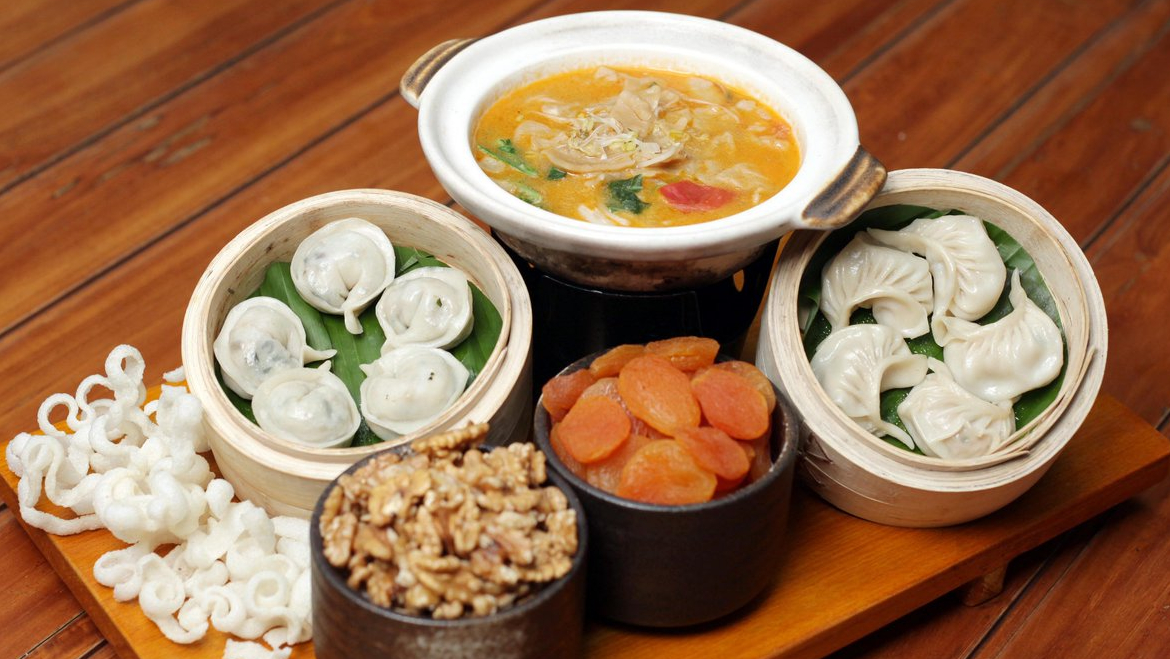
Local Food of Leh-Ladakh: Traditional Dishes, Cafes & Budget Meals
Discover authentic Ladakhi cuisine in Leh Ladakh. Explore traditional dishes like Skyu, Thukpa, Momos, butter tea, and must-try local delicacies with our complete food guide.
Nov 22Read More
Travel
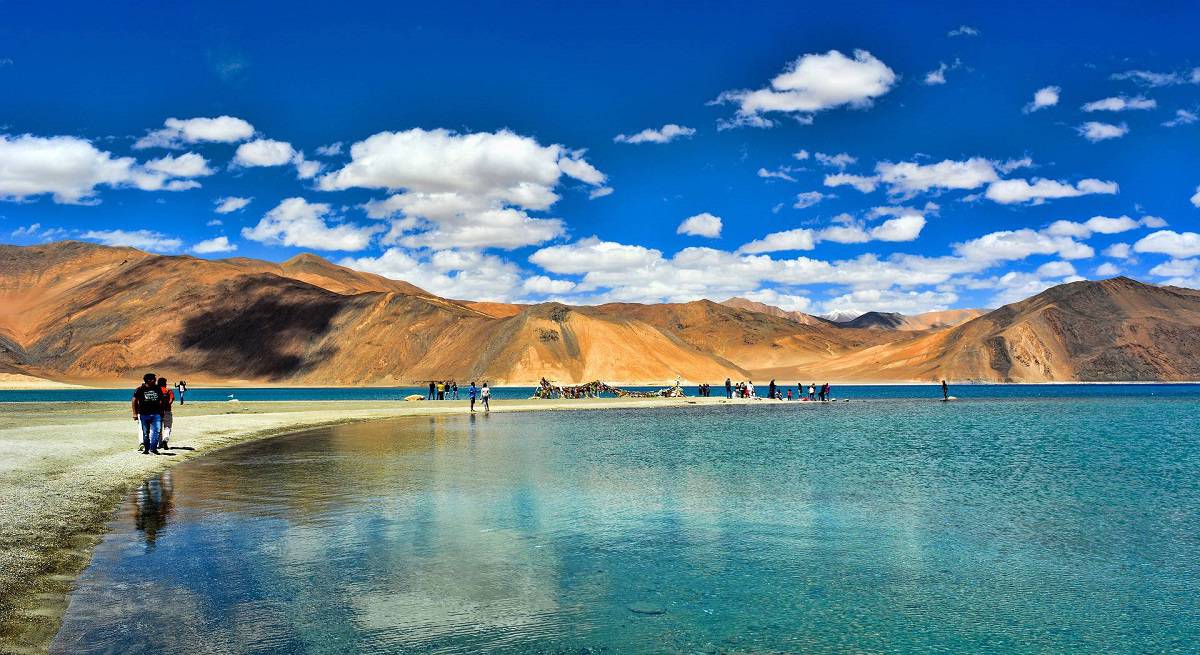
Pangong Lake Ladakh: Best Time, Permit Rules & Stay Options
Complete Pangong Lake guide: best time to visit, permits, how to reach from Leh, stay options & travel tips.
Jan 14Read More
Trekking
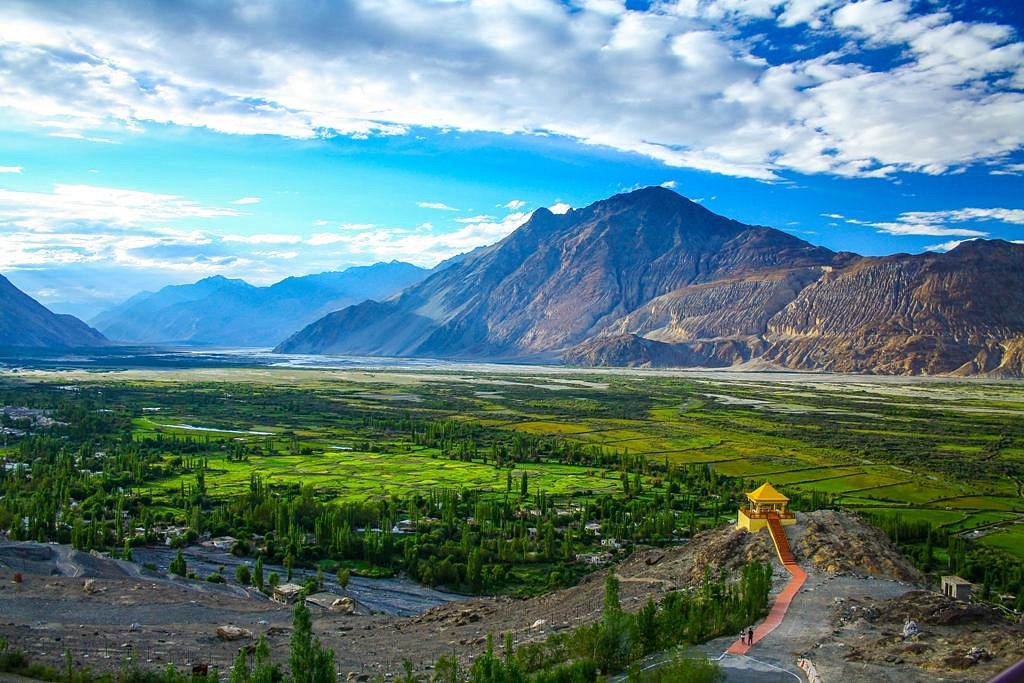
Nubra Valley Ladakh: Itinerary, Permits, Route & Stay Options
Plan your Nubra Valley Ladakh trip with route strategy, acclimatization tips, season guidance, and practical budget planning.
Feb 20Read More
Never Miss an Adventure
Get the latest trekking guides, travel tips, and exclusive offers delivered straight to your inbox.
