
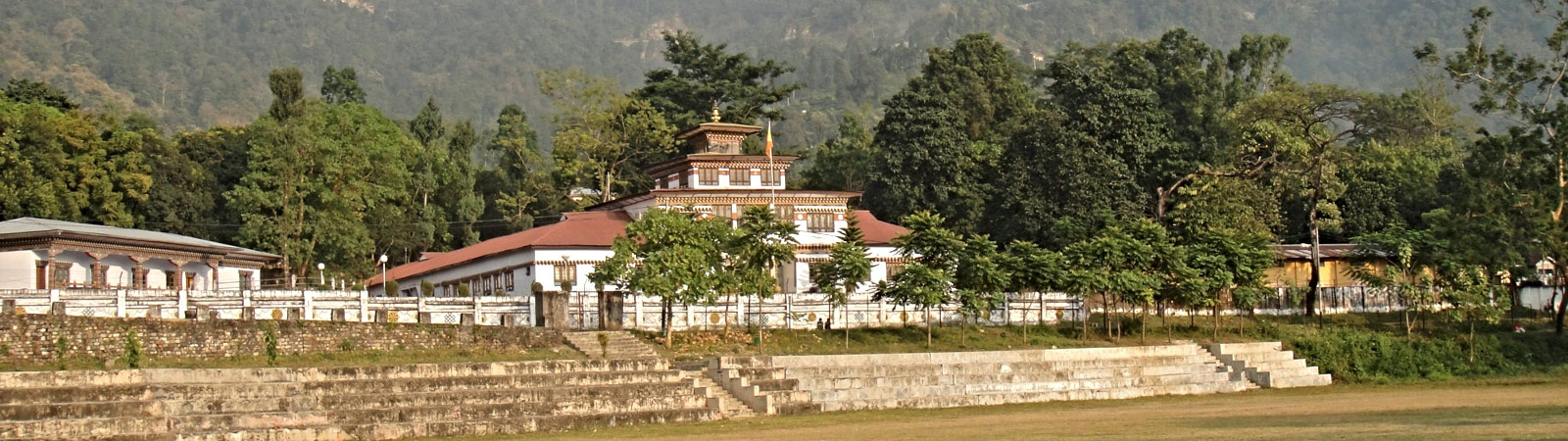
Samtse Bhutan: The Hidden Jewel of Southwestern Bhutan
Neha Kapoor
December 1, 2025
Discover Samtse Bhutan - the hidden jewel of southwestern Bhutan. Explore Terton Pema Lingpa's sacred sites, monasteries, villages & authentic Himalayan culture.
Introduction: Bhutan's Untouched Southwest
Nestled in the southwestern corner of Bhutan, Samtse Dzongkhag (district) remains one of the country's least explored and most authentic regions. While most tourists flock to Paro, Thimphu, and Punakha, Samtse offers a glimpse into traditional Bhutanese life that has remained largely unchanged for centuries. This fertile region, bordering India's West Bengal and Sikkim, combines stunning Himalayan foothill scenery with vibrant local culture, ancient monasteries, and the warm hospitality that Bhutan is famous for.
What makes Samtse special is its accessibility combined with authenticity. Unlike remote eastern Bhutan that requires days of travel, Samtse is easily reachable yet sees very few international visitors. The region's diverse landscape ranges from subtropical forests at 600 meters to alpine meadows at 3,000 meters, creating incredible biodiversity and scenic variety. From the mystical Dobte traces to serene monasteries perched on mountainsides, Samtse rewards travelers willing to venture beyond the usual tourist circuit.
The district is also home to some of Bhutan's most important Buddhist sacred sites. The legend of Terton Pema Lingpa, the great treasure revealer, looms large here, and several monasteries house sacred relics and texts discovered by him. For spiritual seekers, culture enthusiasts, or those simply seeking to experience the real Bhutan away from tourist crowds, Samtse offers profound rewards.
About Samtse Dzongkhag
Geography and Location
Samtse is one of Bhutan's 20 dzongkhags (districts), located in the southwest. It covers an area of approximately 1,581 square kilometers and ranges in elevation from 200 meters in the south to 3,000 meters in the north. The district borders the Indian states of West Bengal and Sikkim, making it an important cross-cultural region where Bhutanese and Indian influences meet. If you're traveling from Gangtok, Sikkim, Samtse makes an excellent addition to your itinerary.
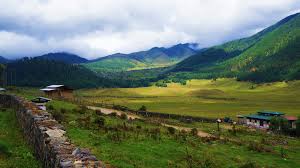
The landscape is dominated by the foothills of the Himalayas, with deep valleys, fast-flowing rivers, and dense forests. The main rivers include the Amo Chu, which forms the border with India, and several tributaries that create fertile valleys ideal for agriculture. The region's varied altitude zones support incredible biodiversity - tropical hardwoods in the south, temperate broadleaf forests in the middle hills, and conifer forests at higher elevations.
Climate and Best Time to Visit
Samtse's varied altitude means different climate zones:
- Spring (March-May): Pleasant weather (15-25°C), blooming rhododendrons at higher altitudes, clear skies. Excellent for trekking.
- Summer (June-August): Monsoon season - warm (20-28°C), heavy rainfall, lush greenery, leeches in forests. Challenging for trekking.
- Autumn (September-November): Best season. Clear skies, pleasant temperatures (15-22°C), excellent mountain views, harvest time in villages.
- Winter (December-February): Cool to cold (5-15°C), sunny days, crisp nights. Lower elevations remain pleasant.
Best Time to Visit: October-November for clearest weather and mountain views, March-May for flowers and comfortable trekking conditions.
History and Culture
Samtse has rich historical and spiritual significance. The region is associated with several Buddhist saints and treasure revealers (tertons). Most notably, Terton Pema Lingpa (1450-1521), one of Bhutan's most important religious figures, discovered many sacred texts and relics in this area. Several monasteries in Samtse trace their origins to his discoveries.
The name "Samtse" translates to "the land of medicinal herbs," reflecting the region's rich biodiversity and traditional healing practices. Traditional medicine (Sowa Rigpa) remains important here, with many amchis (traditional healers) practicing throughout the district.
Culturally, Samtse is home to several ethnic groups including the Dzongkha-speaking Bhutanese, Lhotshampas (Bhutanese of Nepali origin), and indigenous communities. This diversity creates a rich cultural tapestry of languages, festivals, and traditions.
Top Attractions in Samtse
Dobte Traces (Terton Pema Lingpa's Sacred Sites)
The most spiritually significant sites in Samtse are the Dobte traces - places where Terton Pema Lingpa left footprints or handprints in solid rock as signs of his spiritual attainment. These sacred sites are scattered throughout the district and are pilgrimage destinations for devout Buddhists.
The most important Dobte site features a rock with Terton Pema Lingpa's footprint, clearly visible and preserved in a small shrine. Local monks will explain the significance of these traces and the stories associated with them.
Access: Requires local guide. The site involves some walking through villages and hills.
Respect: These are active religious sites. Dress modestly, speak quietly, and follow all instructions from monks or caretakers.
Samtse Dzong
The administrative and religious center of the district, Samtse Dzong is a beautiful example of Bhutanese fortress-architecture. Unlike the dramatic dzongs of Paro or Punakha, Samtse Dzong is smaller and more intimate, offering insight into local governance and monastic life.
The dzong houses both the district administration and a monastic body. Visitors can often witness monks engaged in their daily practices and may be allowed to visit the main assembly hall (lhakhang) to see beautiful thangkas and statues.
Note: As an active administrative and religious center, access to certain areas may be restricted. Always check with the dzongkhag office before visiting.
Pema Lingpa Monasteries
Several monasteries in Samtse are associated with Terton Pema Lingpa:
- Tashicholing Monastery: Founded by Pema Lingpa, this monastery houses sacred relics and texts he discovered. The main temple features beautiful murals depicting his life and revelations.
- Dechenpelri Monastery: Perched on a hillside, this monastery offers stunning views and a serene meditation environment. The monk body here maintains traditional practices.
These monasteries are active religious centers where you can witness rituals, ceremonies, and daily practices that have continued for centuries.
Norgaygang Village
One of Samtse's most beautiful villages, Norgaygang offers a glimpse into traditional Bhutanese rural life. The village is surrounded by terraced fields, traditional houses with intricate wood carvings, and stunning mountain views.
Visit during harvest season (September-October) to see traditional farming practices and possibly participate in community activities. The village also produces excellent local textiles and handicrafts.
Experience: Arrange a homestay through the Samtse Dzongkhag office for an authentic village experience.
Tendu Heritage Forest
This protected forest area is sacred to local communities and home to incredible biodiversity. The forest contains several medicinal plants used in traditional healing, hence its importance. Nature walks here reveal diverse flora, birdlife, and possibly wildlife including the red panda and Himalayan black bear.
Local guides can explain the traditional uses of various plants and the conservation efforts protecting this important ecosystem.
Cardamom Growing Areas
Samtse is one of Bhutan's important cardamom-growing regions. The spice, introduced from India, has become a valuable cash crop for local farmers. Visit cardamom plantations to see how this valuable spice is grown, harvested, and processed.
Season: Harvest is typically July-September. This is when you'll see the most activity in the plantations.
Trekking in Samtse
Samtse Cultural Trek
A moderate trek (2-3 days) through traditional villages, forests, and sacred sites:
- Day 1: Samtse town → Norgaygang Village (4-5 hours)
- Day 2: Norgaygang → Dobte sacred sites → return to Norgaygang (5-6 hours)
- Day 3: Norgaygang → Samtse via Tendu Forest (4-5 hours)
This trek offers cultural immersion, village homestays, and visits to sacred Buddhist sites. Moderate fitness required.
Pema Lingpa Pilgrimage Trail
A spiritual journey (1-2 days) visiting the main sacred sites associated with Terton Pema Lingma:
- Visit monasteries founded by Pema Lingpa
- See sacred Dobte traces
- Participate in ceremonies (if timing coincides)
- Meditate in caves where Pema Lingpa practiced
This trail is more about spiritual experience than physical challenge.
How to Reach Samtse
By Air
Nearest Airport: Paro International Airport (PBH)
From Paro, travel to Samtse by road (approximately 5-6 hours). Alternatively, fly to Bagdogra Airport (IXB) in India and cross land at Phuentsholing.
By Road from Thimphu
Route: Thimphu → Chukha → Phuentsholing → Samtse
- Distance: Approximately 180 km
- Drive Time: 5-6 hours
- Road Conditions: Mostly good, some winding mountain sections
Hire a taxi or private vehicle from Thimphu. Public buses also operate but are slower and less comfortable.
By Road from Phuentsholing
Phuentsholing, the main border town with India, is the gateway to Samtse. For more information on things to do in Phuentsholing, consider spending a day here before heading to Samtse.
- Distance: Approximately 50 km from Phuentsholing to Samtse town
- Drive Time: 2-3 hours
- Road: Scenic mountain road through beautiful countryside
Regular taxis and shared vehicles available at Phuentsholing.
From India
Travelers can enter Bhutan at Phuentsholing from India:
- From Siliguri/West Bengal: 4-5 hours to Phuentsholing, then 2-3 hours to Samtse
- From Darjeeling: 4-5 hours to Phuentsholing
- From Sikkim (Gangtok): 5-6 hours to Phuentsholing
Entry Requirements: Indian citizens can enter Bhutan with voter ID or passport. Other nationalities need visa processed through licensed Bhutanese tour operator.
Accommodation
Samtse Town
Basic hotels and guesthouses available:
- Hotel Peljor: Simple rooms, basic facilities (₹1000-1500 per night)
- Guesthouses: Several family-run guesthouses offering rooms (₹800-1200 per night)
Facilities are basic but clean. Don't expect luxury - this is rural Bhutan.
Homestays
The most authentic accommodation option:
- Arrange through Samtse Dzongkhag office
- Stay with local families in traditional houses
- All meals included - authentic Bhutanese cuisine
- Participate in family activities and farming
- Cost: Approximately ₹1500-2000 per night including meals
Homestays require advance booking and are subject to family availability.
Camping
Permitted in designated areas with prior permission from Dzongkhag administration:
- Carry your own camping gear
- Leave No Trace principles strictly enforced
- Hire local guide recommended
- Best seasons: March-May and October-November
Food and Cuisine
Local Specialties
Samtse cuisine reflects Bhutanese and Nepali influences:
- Ema Datshi: Bhutan's national dish - chili peppers in cheese sauce
- Momo: Tibetan-style dumplings (vegetable or meat)
- Phaksha Paa: Pork with spicy red chilies
- Suja: Traditional butter tea
- Ara: Local alcoholic spirit (rice or maize-based)
Where to Eat
- Local Restaurants: In Samtse town, serving basic Bhutanese and Indian food
- Homestays: Home-cooked meals - the most authentic experience
- Tea Houses: In villages, serving suja and snacks
Responsible Travel
Cultural Respect
- Dress modestly (especially at religious sites)
- Ask permission before photographing people or religious objects
- Remove shoes before entering temples and homes
- Walk around chortens and stupas clockwise
- Don't point at religious objects or people with your finger
- Speak quietly in religious sites
Environmental Responsibility
- Carry out all trash - Bhutan is pristine, keep it that way
- Don't pick flowers or remove any natural material
- Stay on marked trails to protect fragile ecosystems
- Conserve water - it's precious in the Himalayas
- Support local businesses and artisans
Bhutan Travel Requirements
For Indian Citizens
- Entry Permit: Available at border entry points (Phuentsholing)
- Documents: Voter ID card or passport (6 months validity)
- Cost: Free
- Restrictions: Cannot visit certain restricted areas (Samtse is generally accessible)
For International Visitors
- Visa: Must be arranged through licensed Bhutanese tour operator
- Daily Fee: Sustainable Development Fee (SDF) of $100 per day (reduced to $50 for 2023-2027)
- Package: Must book through tour operator (minimum daily package includes accommodation, meals, guide, transport)
- Restricted Areas: Samtse may require special permit - discuss with tour operator
Why Visit Samtse
In an age of mass tourism and Instagram travel, Samtse represents something increasingly rare: authentic travel experience. This is not a destination that has been packaged for tourists - it's a living, breathing region where people go about their lives much as they have for centuries, where sacred sites are still actively used for worship, and where traditions are alive rather than performed.
What makes Samtse special is its balance of accessibility and authenticity. Unlike remote Bhutan that requires days of travel to reach, Samtse is relatively accessible yet sees very few international tourists. This means you can experience genuine Bhutanese culture without the crowds that gather in more famous destinations. You'll be welcomed warmly by locals who are genuinely pleased to see visitors rather than tired of tourism.
The spiritual energy of Samtse is profound. Walking in the footsteps of Terton Pema Lingpa, visiting sites where great masters meditated, seeing sacred relics that have been venerated for centuries - these experiences touch something deep. The Buddhism practiced here isn't a museum piece - it's a living tradition that infuses daily life, from the prayer flags fluttering on every hill to the monks you encounter on forest paths.
Samtse also rewards those who seek natural beauty without the crowds. The Himalayan vistas are spectacular, the forests pristine, the villages picturesque. But unlike more famous viewpoints where you're jostling for position with hundreds of other tourists, in Samtse you may have these incredible views entirely to yourself. That solitude in nature is increasingly rare and precious.
Perhaps most importantly, visiting Samtse supports sustainable tourism that benefits local communities directly. Your presence here supports monasteries maintaining ancient traditions, village families preserving their way of life, and conservation efforts protecting Bhutan's incredible biodiversity. In an era where tourism often displaces locals, Samtse offers a model where tourism can support rather than erode authentic culture.
So come to Samtse not for the checklist attractions or Instagram moments, but for the experience of a place that remains true to itself. Come for the silence of ancient monasteries, the warmth of village hospitality, the beauty of unspoiled mountains, and the profound peace that comes from being somewhere that hasn't been corrupted by tourism's excesses.
You'll leave Samtse with more than photos - you'll carry with you the memory of a place where authenticity still matters, where tradition still lives, where the modern world hasn't completely overwhelmed the ancient. And that, perhaps, is the greatest gift any destination can offer.
Location
Frequently Asked Questions
Q1.Where is Samtse located in Bhutan?
Q2.Do I need a permit to visit Samtse Bhutan?
Q3.What is Samtse Bhutan famous for?
Q4.How do I reach Samtse from India?
Q5.What is the best time to visit Samtse Bhutan?
Q6.Where can I stay in Samtse Bhutan?
Q7.What are the main attractions in Samtse?
Q8.Is Samtse worth visiting compared to popular Bhutan destinations?
Recommended For You
Culture of Ladakh: Traditions, Faith, and Living Heritage
Discover the culture of Ladakh through Buddhist traditions, festivals, monasteries, cuisine, crafts, social customs, and respectful travel practices.
National Museum of Bhutan (Ta Dzong): Exhibits, Timings & Entry
Explore National Museum of Bhutan (Ta Dzong) in Paro. History, tickets, timings, exhibits & trekking tips. Heritage watchtower.
Treks in Bhutan: Complete Guide & Routes
Complete guide to trekking in Bhutan including Snowman Trek, Jhomolhari, Druk Path, Dagala, and more. Difficulty levels, permits, costs, best season, and tour operators.
Never Miss an Adventure
Get the latest trekking guides, travel tips, and exclusive offers delivered straight to your inbox.
