
Thangu Valley: Complete Travel Plan Places And Weather

Priya Mehta
November 18, 2025
Thangu Valley Sikkim guide with weather, altitude, best season, permits, route from Gangtok, stay options, and high-altitude travel safety tips.
1. Introduction: A Remote High-Altitude Valley in North Sikkim
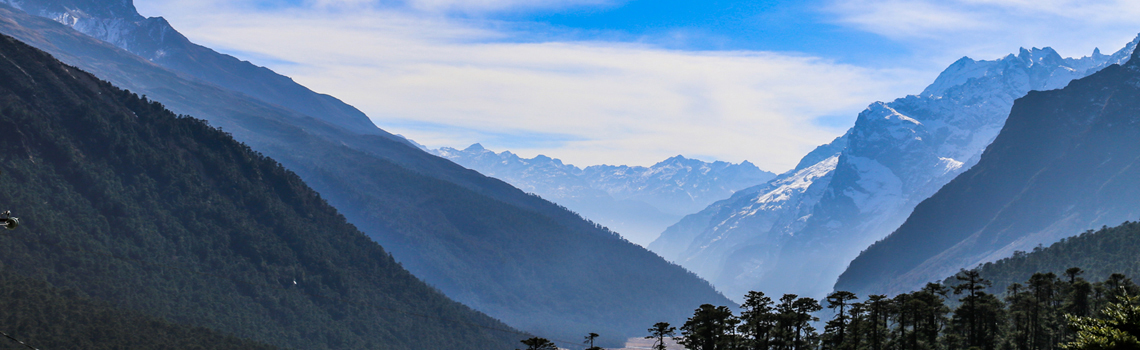
Thangu Valley Sikkim is one of the most dramatic high-altitude stops on the Gangtok-Lachen-Gurudongmar route. Located deep inside North Sikkim, Thangu is often described as a small mountain settlement surrounded by alpine meadows, snow slopes, and streams that cut across wide open valleys. Most travelers first encounter it as a stopover before Gurudongmar Lake, but the valley itself is worth understanding, especially if you care about altitude safety, weather windows, and permit planning.
At this elevation, travel is less about sightseeing checklists and more about preparation. Road closures, military checkpoints, oxygen variation, and rapid weather shifts all shape the experience. In good conditions, the landscape is striking: clear skies, yak-grazing fields, and long mountain views. In harsh conditions, it can turn windy, white, and difficult within hours.
This guide covers location, weather, best time, how to reach from Gangtok, what to see nearby, accommodation reality, permits, and practical acclimatization tips.
2. Location, Distance & Geography
Thangu lies in North Sikkim district (Mangan district administration), roughly 30 km north of Lachen on the road leading toward Chopta Valley and Gurudongmar side. It is generally placed around 13,000 feet altitude (about 3,900 to 4,000 meters in most references), which means thinner air and colder temperatures than lower Sikkim towns.
Geographically, this is an alpine transition zone where river channels, meadows, bare slopes, and snow patches coexist depending on season. Streams like Chopta Chu and Thangu Chu are often mentioned in local descriptions, and the Teesta system influences the broader route corridor. The valley also functions as a strategic movement zone with army presence, so travel behavior is more regulated than regular hill tourism circuits.
| Key Detail | Travel Relevance |
|---|---|
| Approx altitude | About 13,000 ft; AMS risk increases |
| Distance from Lachen | ~30 km; usually 1 to 1.5 hours depending on conditions |
| Distance from Gangtok | Usually covered via night halt at Lachen |
| Travel type | Permit-controlled high-altitude route |
For broader route context in the state, check Sikkim travel guide.
3. Best Time to Visit Thangu Valley
The best time to visit Thangu Valley is usually late spring to early summer (May-June) and post-monsoon autumn windows (September-October), when roads are relatively more stable and visibility can be better. Official district and regional tourism references also highlight May-June for alpine bloom effects. Winter and heavy monsoon periods can sharply increase travel risk or access uncertainty.
Summer window (May-June): This is the most recommended period for first-time travelers. Day temperatures may feel manageable in sunlight, while nights are still cold. Meadows open up and snow remains on surrounding heights. Monsoon (July-August): Not ideal for most tourists. Landslides, falling rocks, washouts, and delay chains are possible on the North Sikkim road network. Autumn (September-October): Often the second-best phase, with clearer skies on good days and comparatively stable access. Winter (November to early spring): Extreme cold, higher snowfall risk, and frequent route restrictions make travel unpredictable.
Because this is a mountain military corridor, always treat weather as a day-of-travel variable, not a fixed forecast promise.
4. How to Reach Thangu Valley from Gangtok
Most travelers do not go Gangtok to Thangu as a simple direct day trip. The standard plan is:
- Day 1: Gangtok to Lachen (night stay)
- Day 2: Lachen to Thangu and onward high-altitude sector (as per permit and weather)
The route usually passes Gangtok -> Mangan side sector -> Chungthang -> Lachen -> Thangu. Road quality varies by stretch and season. Some sections are smooth while others can be broken, muddy, or affected by active repair zones. Start times are usually very early because upper-route movement depends on weather, permit checks, and convoy-like traffic rhythm.
| Segment | Approx Time | Notes |
|---|---|---|
| Gangtok to Lachen | 6-8 hours | Mountain roads and multiple check points |
| Lachen to Thangu | 1-1.5 hours | High-altitude climb, weather-sensitive |
| Thangu onward sector | Variable | Depends on permit scope and road status |
For first-time Sikkim visitors, it is useful to pair this with places to visit in Gangtok and keep one buffer day in your itinerary.
5. Permits: What You Need to Know
Thangu falls under a protected travel regime in North Sikkim. The Sikkim Tourism PAP guidance indicates that Thangu-Chopta sector requires permits, with process differences for domestic and foreign travelers. In practice, most tourists obtain permits through registered tour operators and local transport networks in Gangtok because paperwork and vehicle documentation are linked.
Key permit realities:
- Indian tourists require valid ID-based permit processing through authorized channels.
- Foreign nationals have additional restrictions and controlled access rules in North Sikkim sectors.
- Permit categories and cut-off rules can change; always verify latest policy before booking.
- Vehicle eligibility and driver documentation also matter in protected zones.
As of January 2026, state-level updates reported a shift toward online clearance mode for foreign tourists in protected/restricted areas. Always verify the current process with official Sikkim channels or your registered operator before travel day.
6. Places to See Around Thangu Valley
Thangu itself is a compact settlement, but the visual experience comes from the broader valley environment. Do not expect a dense town center with many attractions. Instead, think of it as a high-altitude landscape zone and acclimatization corridor.
- Thangu village zone: Small settlement feel with basic eateries and transit stops.
- Alpine meadow stretches: Open valley frames, especially scenic in bloom period.
- Chopta side landscapes: Often combined in North Sikkim itineraries.
- Gurudongmar route context: Thangu is typically a preparation and check segment before higher reaches.
Travelers often compare Thangu with other high-altitude cold-desert style drives. If that interests you, read best time to visit Ladakh for acclimatization parallels and planning contrast.
7. Accommodation Reality: Stay in Thangu or Lachen?
Accommodation options in Thangu are limited and basic. Most travelers sleep in Lachen, which has better hotel and homestay options, then proceed upward early morning. In Thangu you may find tea houses or very simple rest points depending on season and local operating conditions, but you should not plan for luxury or guaranteed comfort.
Why Lachen is usually preferred as base:
- Better room inventory and more predictable food access
- Easier coordination with drivers and permit-linked itineraries
- More practical for acclimatization than rushing from low altitude
If you are on a tightly packed package, confirm the exact night halt location before payment. Many travelers assume upper-stay options that may not be available in bad weather.
8. Altitude, AMS Risk & Acclimatization
At around 13,000 feet, Thangu can trigger altitude-related symptoms even in fit travelers. The risk increases if you ascend quickly without enough rest at intermediate altitude. Headache, nausea, unusual fatigue, disturbed sleep, and breathlessness are common warning signs.
High-altitude safety checklist:
- Spend at least one night in Lachen before higher ascent.
- Hydrate well, avoid alcohol, and avoid overeating before ascent.
- Keep warm in layers; sudden cold stress worsens fatigue.
- Carry prescribed altitude medication only after medical advice.
- If symptoms intensify, descend and seek medical help quickly.
People with heart, respiratory, or severe blood pressure conditions should take medical clearance before planning North Sikkim high-altitude circuits. For broader awareness, you can also read high-altitude preparation guides such as acute mountain sickness in Ladakh.
9. Practical Travel Tips for Thangu Valley
Thangu travel rewards preparation more than spontaneity. Network is unreliable, weather flips fast, and route changes can happen without much notice. Keep your plan flexible and avoid over-committing fixed-time return bookings on the same day.
| What to Carry | Why It Matters |
|---|---|
| Thermal layers, gloves, windproof jacket | Cold and wind can rise sharply even on sunny days |
| Sunglasses and sunscreen | High UV exposure in snow and open valleys |
| Water, dry snacks, oral rehydration | Limited reliable food stops in upper stretches |
| Printed and digital IDs | Required at permit and check-post points |
| Basic medicine kit | Essential for headache, cold, nausea, minor fatigue |
Respect local rules, do not photograph sensitive military areas, and avoid littering in alpine zones. Thangu is fragile mountain terrain, not a high-volume urban destination.
A practical planning approach is to treat Thangu as a high-altitude weather window, not a guaranteed fixed-time attraction. Keep one backup day in Gangtok or lower Sikkim in case upper roads close. Start early, avoid heavy breakfast right before ascent, and keep short movement breaks so your body adapts gradually. If you are traveling with elderly family members, discuss oxygen and descent protocols with your driver in advance. Also keep emergency cash because digital payments may fail when network drops. Travelers who prepare this way usually find the journey more comfortable and safer, even when weather changes unexpectedly.
10. Is Thangu Valley Worth Visiting?
Yes, if you are looking for raw high-altitude Himalayan scenery and can handle remote road travel with permit protocols. Thangu is not about activities, nightlife, or comfort tourism. It is about landscape scale, mountain silence, and experiencing a transition zone before some of North Sikkim's highest sectors.
If your expectation is clear and preparation is solid, Thangu Valley can become one of the most memorable segments of your Sikkim trip.
Plan with flexibility, travel slowly, and prioritize acclimatization over speed. That single decision usually defines whether your Thangu journey feels exhausting or deeply rewarding.
Location
Frequently Asked Questions
Q1.Where is Thangu Valley located?
Q2.What is the altitude of Thangu Valley?
Q3.What is the best time to visit Thangu Valley?
Q4.How to reach Thangu Valley from Gangtok?
Q5.Are permits required for Thangu Valley?
Q6.Can I stay overnight in Thangu Valley?
Q7.Is AMS common in Thangu Valley?
Q8.Is Thangu Valley worth visiting?
Recommended For You
Yak Safari in Sikkim: Ride Points, Charges & Local Experience
Experience the magic of yak safari in Sikkim at Tsomgo Lake. Complete guide to this unique Himalayan adventure with pricing, best time to visit, and travel tips.
10 Beautiful Lakes in Sikkim: Tsomgo to Gurudongmar
Comprehensive guide to lakes in Sikkim covering Tsomgo, Gurudongmar, sacred lakes, permits, best season, and practical itinerary planning.
Nathula Pass Gangtok: Permit Process, Route & Altitude Tips
Plan your Nathula Pass Gangtok trip with permit steps, route timing, weather prep, and practical high-altitude safety guidance.
Never Miss an Adventure
Get the latest trekking guides, travel tips, and exclusive offers delivered straight to your inbox.
