
Tso Lhamo Lake Sikkim: Permit Rules, Route & Best Season
Rohit Verma
January 19, 2026
Plan Tso Lhamo Lake with permit rules, route staging from Lachen, best season, AMS safety protocol, and practical tips for extreme high-altitude travel.
Introduction: One of the Highest Lakes in the World
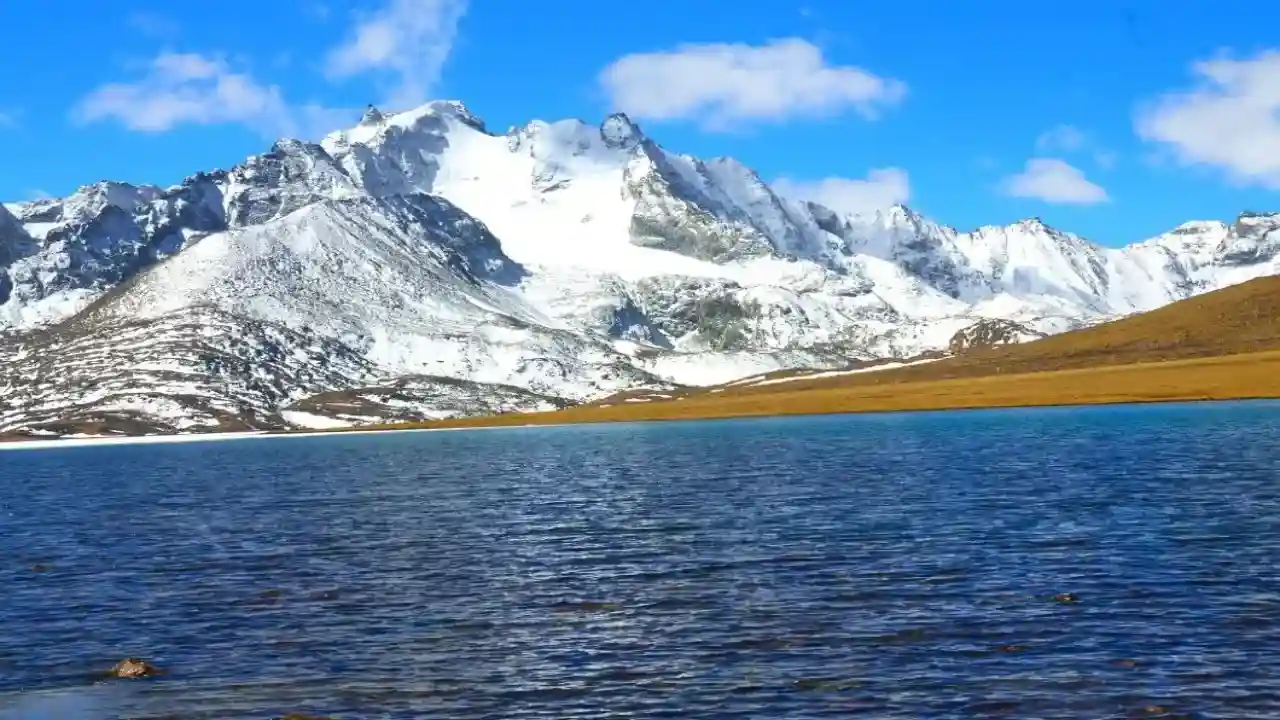
Tso Lhamo Lake (also written as Cholamu or Cho Lhamo) is one of the highest accessible lakes in the world and among the most extreme high-altitude destinations in India. Located in North Sikkim close to the international border zone, this lake is not a casual sightseeing stop. It is a remote, weather-sensitive, permit-controlled region where altitude risk is real and planning discipline matters more than itinerary speed.
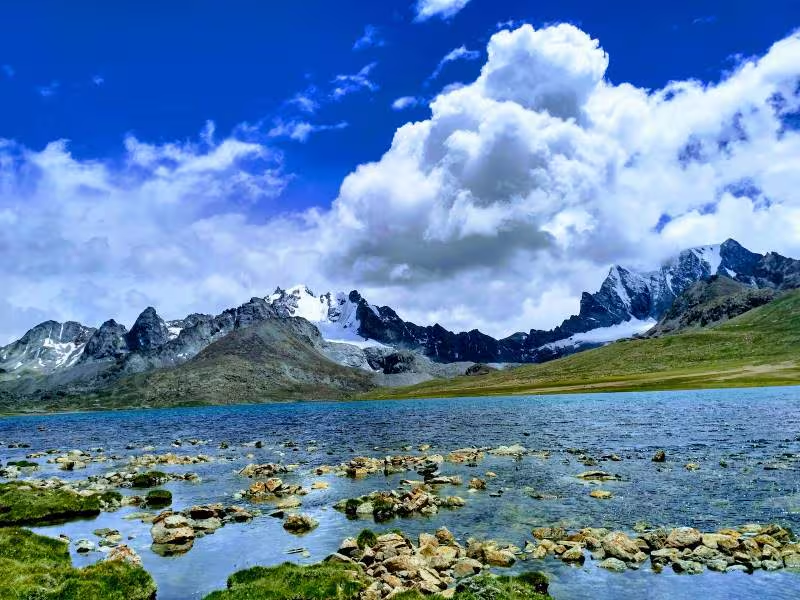
What makes Tso Lhamo extraordinary is the raw setting: wide cold desert valleys, strong winds, glacial water character, and sparse human infrastructure. The visual impact is huge, but so are the practical constraints. Road access is limited, permits are mandatory, and conditions can change quickly due to weather and security controls.
This guide gives you a complete practical framework: altitude and geography, access rules, permit process, route from Gangtok and Lachen, best months, acclimatization protocol, safety precautions, and nearby stops. If you want to visit Tso Lhamo responsibly and safely, use this as your planning base.
Geography, Altitude, and Why It Matters
Tso Lhamo is usually cited around 5,100 to 5,330 meters above sea level (source values vary by map reference and measurement method). Regardless of the exact number, operationally it is an extreme altitude zone where oxygen is significantly lower than sea level and weather conditions are harsh most of the year.
| Factor | Typical Value/Reality | Planning Impact |
|---|---|---|
| Altitude | ~5,100m+ zone | Very high AMS risk if rushed |
| Region | North Sikkim near border belt | Permit-controlled access |
| Climate | Cold, windy, rapidly changing | Strict clothing and timing prep needed |
| Infrastructure | Limited services in upper sectors | Self-sufficiency and backup planning required |
Inference from route reports and permit frameworks: this is not a location where you should attempt improvised travel. Treat it as a high-altitude expedition day, even if your physical distance on paper looks manageable.
Formation and Physical Features
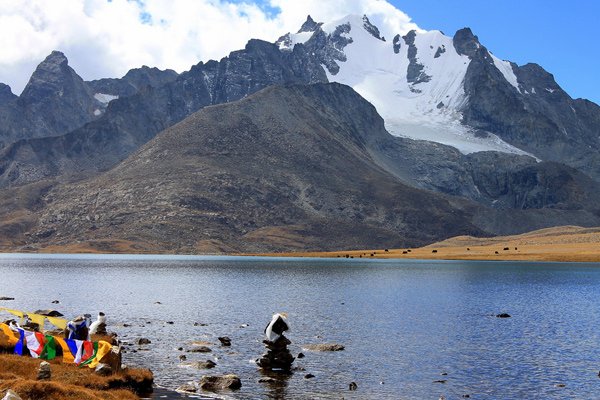
Tso Lhamo is generally described as a high-altitude glacial lake system in a cold-arid Himalayan zone. Snowmelt and glacial hydrology define seasonal changes in water spread and color. During colder periods, the lake may appear partially or fully frozen depending on temperature and wind conditions. During access months, you may see open water sections with stark blue-gray tones and dramatic cloud reflections.
- Open landscape with very little vegetation at higher points.
- Strong wind exposure across approach corridors.
- Rapid light changes due to cloud movement and thin atmosphere.
- Minimal shelter once you enter upper sectors.
This is why photography is excellent but physically demanding. Plan short, controlled outdoor windows rather than long standing exposure.
Religious and Cultural Significance
Like many Himalayan lakes, Tso Lhamo is treated with spiritual respect by local communities and visitors familiar with mountain pilgrimage culture. The area around North Sikkim lakes often carries layered Buddhist and regional sacred associations. Even if you are visiting purely for landscape experience, maintain quiet, respectful conduct and avoid behavior that trivializes the site.
- Do not litter or leave food/plastic waste.
- Avoid loud music and disruptive activity.
- Respect local guidance from drivers and residents.
- Treat prayer markers/flags with care.
Responsible conduct is not only cultural courtesy; it is essential for preserving fragile high-altitude ecosystems.
Best Time to Visit Tso Lhamo Lake
Main Access Window
Most practical travel attempts are in late spring, summer, and post-monsoon windows when roads are relatively more stable. Exact access depends on weather, road condition, and administrative clearance.
- May to June: improving access, still cold, occasional residual snow effects.
- September to October: clearer skies in many years, strong visibility, colder mornings.
- Monsoon period: route reliability can drop due to landslide and weather risk.
- Deep winter: often highly restrictive and unsafe for regular tourism movement.
Best Time of Day
- Early departure is mandatory for weather and safety margins.
- Avoid late-evening high-altitude exposure.
- Return to lower altitude as early as feasible after main viewpoint stop.
For season-level planning across mountain regions, compare with things to do in Sikkim and your broader route pacing.
Permits for Tso Lhamo: What You Need to Know
Permit compliance is the most critical administrative step for this route. Tso Lhamo lies in sensitive North Sikkim sectors. As per official Sikkim Tourism permit frameworks (PAP/RAP), protected-area access requires formal processing through authorized channels, and foreign visitors face additional restrictions and eligibility conditions for specific zones.
Practical Permit Reality
- Indian travelers generally require protected-area permission via registered local operators.
- Foreign traveler access is more restricted and must follow current RAP/PAP rules.
- On-ground military/security checks may apply in upper sectors.
- Rules can change; never rely on old social posts for permit assumptions.
Always verify with registered Sikkim operators and current official guidance before paying for fixed non-refundable bookings.
How to Reach Tso Lhamo Lake
Standard Route Framework
The commonly used sequence is Gangtok -> Lachen (overnight acclimatization) -> upper North Sikkim sectors including Gurudongmar side routes -> onward controlled approach toward Tso Lhamo depending on permissions and conditions.
Why Lachen Overnight Is Important
- Breaks altitude gain into safer stages.
- Allows early controlled departure next day.
- Reduces panic decision-making at extreme heights.
Transport Type
- Use experienced local drivers and suitable high-clearance vehicles.
- Do not self-drive without prior high-altitude mountain expertise.
- Keep fuel, food, and weather buffer logic built into the day plan.
If your Sikkim route includes this sector, combine planning with places to visit Lachen and Sikkim travel guide for better staging.
Trekking vs Road Reality
Many users search “Tso Lhamo Lake trek,” but in practical tourist itineraries this experience is usually road-led with high-altitude stops, not a mainstream independently marked trekking trail for casual visitors. Short walks around stop points are possible depending on conditions, but treat these as high-risk exposure zones due to oxygen and weather, not regular scenic strolls.
- Short movement only if physically stable and advised by local guide/driver.
- Avoid unnecessary exertion at highest points.
- Prioritize safe return over “covering extra spots.”
The objective is controlled access and safe descent, not long distance achievement.
AMS and High-Altitude Safety Protocol
Tso Lhamo planning fails most often on health discipline, not route intent. Acute Mountain Sickness (AMS) can affect fit travelers as well.
Mandatory Safety Rules
- Acclimatize before upper-sector push.
- Hydrate consistently and avoid alcohol.
- Eat light, warm meals before ascent.
- Recognize symptoms: headache, nausea, dizziness, unusual fatigue, breathlessness.
- Descend immediately if symptoms worsen.
Useful Preparation
- Discuss preventive medication with a doctor before trip.
- Carry personal medicines and basic oxygen backup as advised.
- Keep one no-ego rule: if unsafe, abort early.
For mountain health context, this safety guide is relevant: Acute Mountain Sickness in Ladakh.
What to Carry for Tso Lhamo Trip
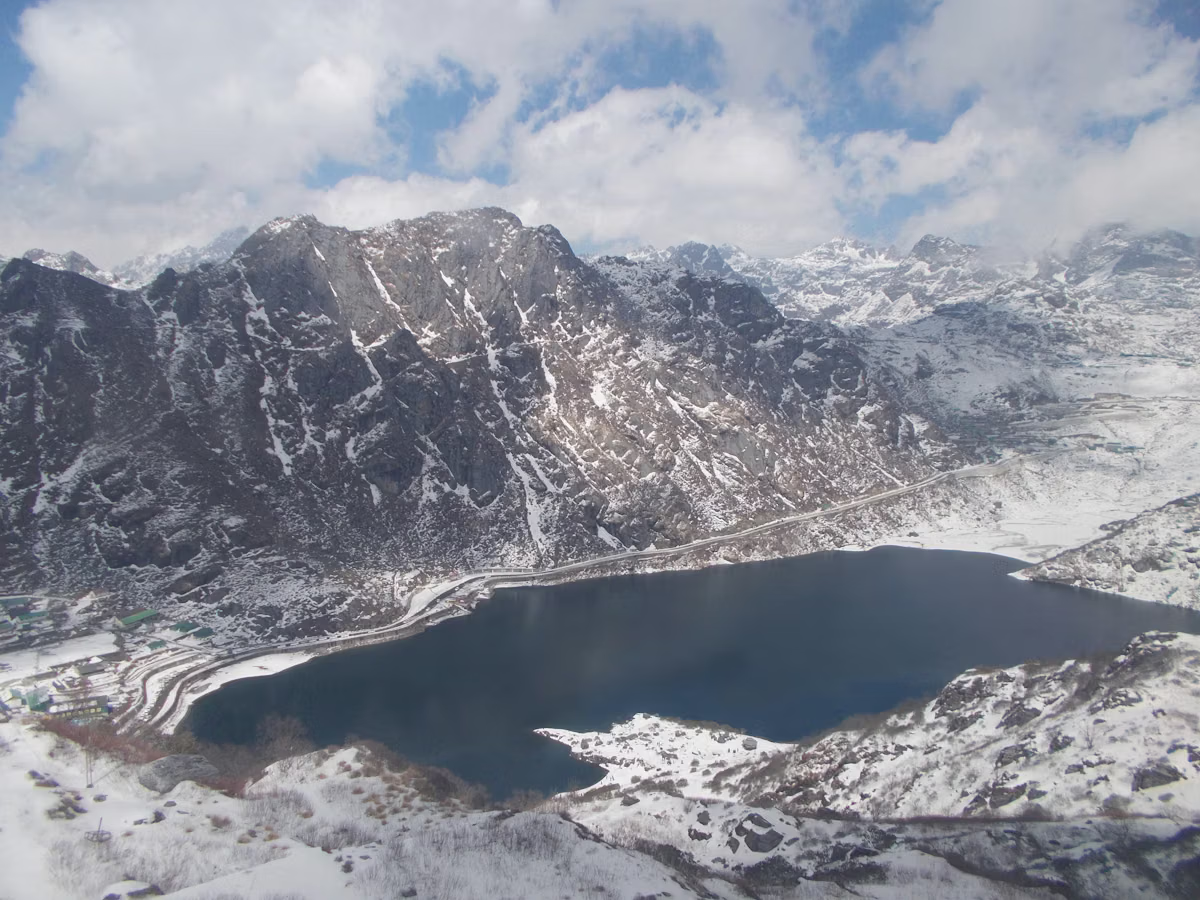
- Heavy windproof outer layer and thermal base layers.
- Insulated gloves, cap, and high-ankle shoes.
- UV sunglasses and sun protection (high-altitude reflection is strong).
- Water, electrolytes, compact high-energy snacks.
- ID documents and permit copies (multiple print and digital).
- Power bank and offline map backups.
- Emergency medication as medically advised.
Pack light but mission-focused. Overpacking reduces mobility in already challenging conditions.
Nearby Attractions and Route Pairing
Tso Lhamo is usually not a standalone city-style attraction. It is part of a high-altitude North Sikkim circuit where route integrity is more important than checklist volume.
- Gurudongmar-side sectors (subject to route and permit context).
- Lachen village as acclimatization and base point.
- North Sikkim scenic valleys on approach/return.
For broader lake-themed comparisons, you can also review lakes in Sikkim and high-altitude references from other regions like beautiful lakes in Ladakh for context on acclimatization discipline.
Sample 3-Day Execution Model
Day 1
- Gangtok to Lachen transfer.
- Rest, hydration, early sleep.
Day 2
- Pre-dawn departure for upper sectors.
- Controlled stops and health monitoring.
- Tso Lhamo attempt as per permissions/conditions.
- Early descent and return to safer altitude.
Day 3
- Buffer day for weather disruption or return transit.
This structure improves success and lowers risk compared with rushed back-to-back altitude pushes.
Common Mistakes to Avoid
- No acclimatization day before extreme altitude attempt.
- Assuming permit is guaranteed without authorized processing.
- Following outdated route videos blindly.
- Ignoring early AMS warning signs.
- Planning late starts and late returns.
- Treating it like a normal road picnic destination.
A disciplined “safety-first” approach is the difference between a memorable trip and a dangerous one.
Emergency and Contingency Planning
In Tso Lhamo sectors, contingency planning is not optional. Weather, security movement, vehicle issues, and health symptoms can force immediate route changes. Your itinerary should include a clear abort rule and one reserve day to avoid unsafe pressure decisions.
- Keep emergency contacts saved offline before leaving Lachen.
- Share live route plan with your hotel/operator contact.
- Carry extra hydration, dry food, and thermal backup layers.
- Avoid splitting from your vehicle group in upper sectors.
- If breathlessness or severe headache escalates, descend without debate.
A practical mindset is to treat Tso Lhamo as a successful trip only if all travelers return safely and in stable condition. Coverage can be patchy, support is limited, and rescue delays are possible in bad weather. Conservative decisions are the right decisions here.
Budget and Time Planning Snapshot
Costs vary by season, permit route, vehicle type, and group size, so avoid fixed social-media numbers. Instead, compare operator inclusions clearly: permits, vehicle category, stay quality, meal plan, and buffer-day flexibility. The cheapest option is often the least safe at this altitude. Spend for reliability, experienced drivers, and realistic pacing.
Final Takeaway
Tso Lhamo Lake is one of India's most extreme and rewarding high-altitude destinations, but only for travelers who plan with seriousness. Build your trip around permits, acclimatization, weather windows, and conservative timing. Keep your objective clear: safe access and safe return.
If you respect the altitude and execute with buffer-based planning, Tso Lhamo can be one of the most extraordinary mountain experiences in your travel life.
Location
Frequently Asked Questions
Q1.Where is Tso Lhamo Lake located?
Q2.What is the altitude of Tso Lhamo Lake?
Q3.Do we need permits to visit Tso Lhamo Lake?
Q4.What is the best time to visit Tso Lhamo Lake?
Q5.How do I reach Tso Lhamo from Lachen?
Q6.Is the road to Tso Lhamo accessible by normal car?
Q7.How difficult is the Tso Lhamo trek or approach?
Q8.Is Tso Lhamo Lake safe for altitude sickness concerns?
Recommended For You
10 Beautiful Lakes in Sikkim: Tsomgo to Gurudongmar
Comprehensive guide to lakes in Sikkim covering Tsomgo, Gurudongmar, sacred lakes, permits, best season, and practical itinerary planning.
Nathula Pass Gangtok: Permit Process, Route & Altitude Tips
Plan your Nathula Pass Gangtok trip with permit steps, route timing, weather prep, and practical high-altitude safety guidance.
Waterfalls in Sikkim: Top 10 Falls, Routes & Best Time
Discover the best waterfalls in Sikkim with Bakthang, Ban Jhakri, Seven Sisters, season-wise travel tips, and practical Gangtok route planning.
Never Miss an Adventure
Get the latest trekking guides, travel tips, and exclusive offers delivered straight to your inbox.
